
In this article, you’ll learn about:
- What rice cakes actually are?
- The origin of rice cakes and their calories
- 15 types of rice cakes
- Their pros, cons, and related FAQs
- 10 healthy tips for consuming rice cakes
What are Rice Cakes?
Rice cakes are made with puffed rice and rice flour. The rice is condensed and completely pressed together to make a thin, crispy cake. This process creates a light, airy texture. Rice cakes are simple yet versatile and are usually used as a low-calorie snack and a healthier alternative to bread.
Origin of Rice Cakes:
Korean rice cakes originated centuries ago in Korea, and were initially used in festivals, rituals, and celebrations. With time, they’ve become a delicious everyday snack and comfort food. They became popular in the USA through Korean immigration, Asian markets, and Korean cuisine.
Rice-based foods have also gained global popularity due to their versatility and health potential, as highlighted by the American Heart Association.
Rice cakes are also known as tteok in Korea, mochi in Japan, and puffed rice cakes in the West.
Calories in Korean Rice Cakes:
1 cup or 250 grams of Korean rice cake has the following calories on average:
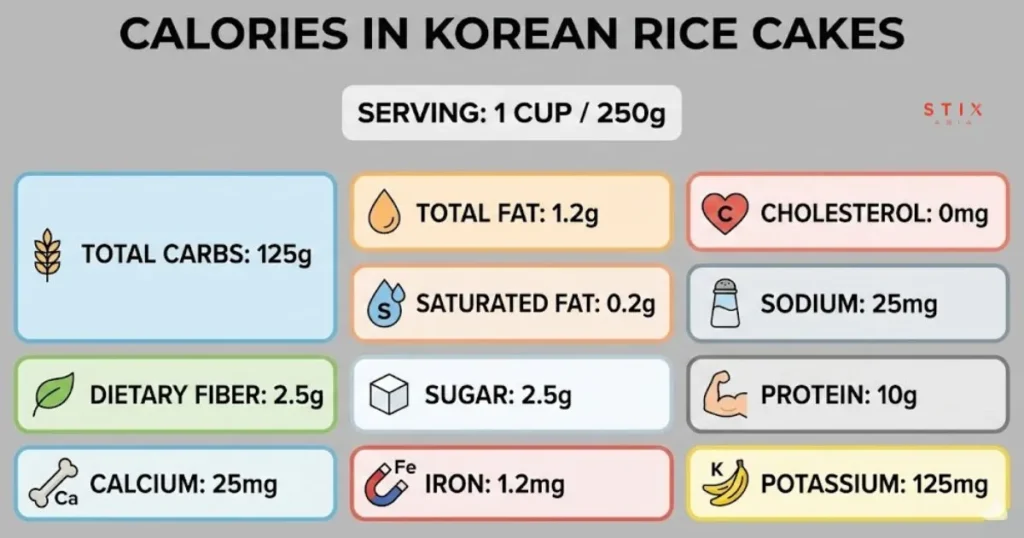
This is an average caloric content of 250 grams of Korean rice cake; the percentage may vary based on the ingredients, procedure, and the manufacturing company.
For exact nutritional values based on verified lab data, you can check the USDA FoodData Central database.
Types of Rice Cakes:
Rice cakes come in different varieties depending on texture, preparation, and flavor. Among all, Korean rice cakes are the most famous.
1. Garaetteok:
A long, cylinder-like rice cake with a soft and chewy texture. It’s the base for tteokbokki and many traditional Korean dishes.
2. Tteokbokki Tteok:
Short, thick pieces made from garaetteok. It’s used in spicy tteokbokki sauce and absorbs flavor very well.
3. Injeolmi:
Injeolmi are coated with roasted soybean powder. They are slightly sweet and a famous snack.
4. Songpyeon:
Resembling the half-moon, these sweet rice cakes are made from sesame seeds or red beans. Traditionally eaten on Chuseok (A Korean festival).
5. Baekseolgi:
White steamed rice cake with a smooth and fluffy texture.
6. Mujigae Tteok:
A colorful layered rice cake with soft texture and sweet flavors.
7. Jeolpyeon:
Flat, patterned rice cakes with soft, chewy bites. For flattening, they’re pressed with decorative wooden molds.
8. Hwajeon:
Thin, pan-fried rice cakes decorated with flowers are usually made from glutinous rice flour and are usually sweet in taste.
9. Sirutteok:
Sirutteok are steamed rice cakes made from layers of nuts or grains with a dense texture and an earthy flavour.
10. Gyodong Tteok:
A premium rice cake known for its soft texture and natural flavors, usually gifted on celebrations.
11. Hobaktteok:
A soft, moist, and wholesome pumpkin rice cake with a slightly sweet taste.
12. Gyeongdan:
It’s a famous festive sweet, made from small, circular rice balls coated with sesame, red bean, or bean powder.
13. Bukkumi:
Bukkumi are pan-fried rice cakes made from sweet fillings like red beans. Delicious and crispy on the outside and soft on the inside.
14. Chapssaltteok:
Korean mochi is made from sticky rice; it’s chewy, stretchy, and usually flooded with red bean paste.
15. Yaksik:
A sweet rice dessert made from jujubes, nuts, and honey. Sticky, rich, and with a deep flavor like caramel.
How Are Rice Cakes Made?
The procedure of making rice cakes starts from rice grain, followed by a sequence of steps to make them airy, crispy snacks. Below is a thorough process most manufacturers use to make puffed rice cakes:
Rice is Prepared:
The process begins with whole rice grains (white or brown) that are usually soaked in water or lightly steamed or blanched. This step partially gelatinizes starches and makes rice soft, which helps in puffing and binding.
Drying or Conditioning:
After steaming, rice is dried or allowed to reach an optimal moisture content. This step ensures proper puffing and prevents poorly textured cakes.
Puffing Under Heat and Pressure:
Dried rice is placed in a pressure chamber machine, where high heat and pressure convert internal moisture into rapid steam. The sudden release of pressure causes the rice grains to expand, puffing dramatically. This step transforms rice into light, airy kernels.
Compression into Cake Shape:
Right after puffing, expanded rice is compressed with molds (square, round, cylinder, or block shapes) where gelatinized starches bind grains together. This gives rice cakes their disc or cake form without extra binders.
Drying, Cooling, and Quality Control:
Newly made cakes are dried to remove excess moisture and then cooled. Manufacturers check shape, texture, and integrity, ensuring that every cake is crisp, stable, and according to quality standards before packaging.
Optional Flavoring or Coating:
After the basic plain cakes are formed, the manufacturers usually add desired flavor (salt, sweet coating, seeds, grains, or seasoning). After flavouring, the cakes are dried again to settle the coating.
Packaging for Sale:
At last, rice cakes are sealed in airtight packaging to maintain crunch and prevent moisture absorption. Professional packing ensures freshness and shelf life till consumption.
Are Rice Cakes Healthy?
Yes, usually rice cakes are healthy, but it usually depends on how often you consume them and how much. Below are some researched health benefits and important considerations you should know before buying a rice cake pack:
-
Low in Calories:
The best thing about rice cakes is that they are very light and low in calories, which makes them an attractive choice for people trying to reduce calories or control portion size.
-
Gluten-free:
Rice cakes are naturally gluten-free. It makes them a safe snack alternative for people having gluten sensitivity or celiac disease. It’s a great substitute for wheat-based snacks or bread.
-
Low in Fibre and Protein:
Rice cakes are low in fibre and protein. They’re quickly and easily digestible and can make you feel hungry again after a meal. As it lacks protein, it’s not fulfilling and can trigger overeating.
-
High Glycemic Index:
Rice cakes are made from refined carbs that can raise blood sugar rapidly. Eating them alone without any fibre or protein can cause spikes, which may affect insulin and energy levels.
-
May Contain Additives:
Many flavored rice cakes include sugar, syrups, salts, or artificial ingredients to boost taste. And these additives negate the “light snack” advantage and add hidden calories, sodium, or refined sugar. That’s why it’s important to check ingredients and additives on the packaging before buying. It’s advisable to eat plain or minimally processed rice cakes for healthy choices.
Are Rice Cakes Good For Weight Loss?
Yes, rice cakes are good for weight loss if used properly. You can pair them with high-protein or high-fibre toppings such as peanut butter, eggs, or avocado. It helps in controlling appetite as well. However, eating them alone can cause cravings because they have a high glycemic index and low nutrient content.
For better results, pair rice cakes with lean protein options like eggs, tuna, or grilled chicken, which help improve satiety and support healthy weight loss.
Are Rice Cakes Better Than Bread?
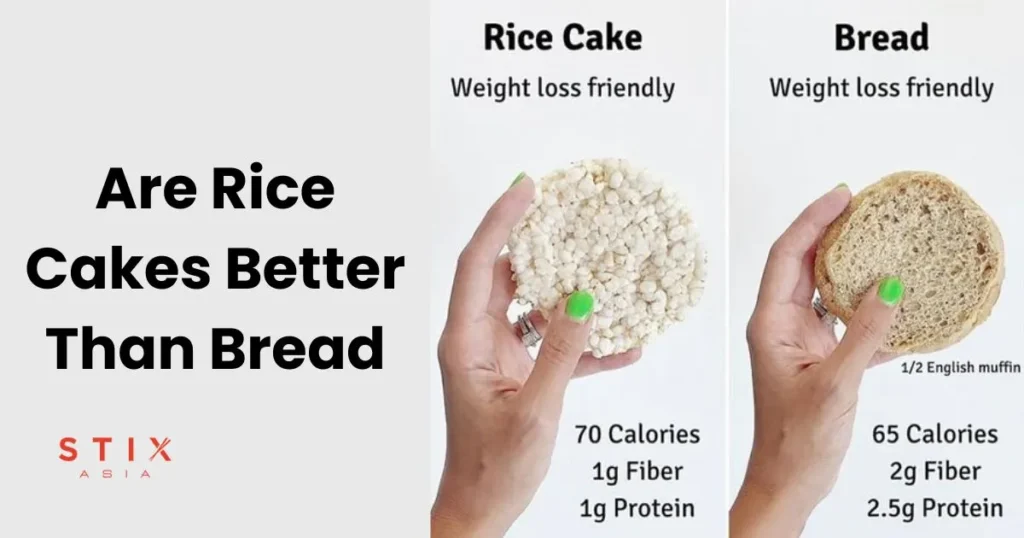
Yes, rice cakes are better than bread; they are light and low-calorie, but bread offers more nutrients, fibre, and satiety. So:
- If you prefer long-lasting energy, bread is better
- If you prefer a light snack, rice cakes are better
For understanding different rice varieties and their health impact, you can refer to the American Heart Association’s guide on healthy rice choices
Tips for Consuming Rice Cakes:
You can make rice cakes more nutritious when you choose the right combinations and avoid common mistakes. These extra tips help you create balanced snacks that support energy, fullness, and better overall nutrition.
- Choose whole-grain rice cakes for more fiber and minerals compared to plain white rice cakes.
- Add a source of healthy fats. Nut butters, tahini, or avocado make rice cakes more filling and help steady blood sugar.
- Pair with fresh fruits.Toppings like bananas, strawberries, or apples add vitamins, fiber, and natural sweetness.
- Read ingredient labels carefully. Some flavored varieties contain added sugar, artificial flavors, or excessive sodium.
- Turn them into mini meals. Add protein, veggies, and a nutritious spread so your rice cakes provide lasting energy instead of just quick carbs.
- Pair rice cakes with protein like eggs, tuna, or yogurt to balance blood sugar.
- Add fiber through toppings like chia seeds, avocado, or vegetables.
- Choose plain or lightly salted versions instead of flavored ones.
- Avoid eating several at once, especially if monitoring glucose levels.
- Use them as a quick pre-workout carb source when paired with protein.
Conclusion:
Rice cakes can be a healthy part of your routine if you eat mindfully and pair them with nutritious toppings. They’re light, versatile, and easy to digest, making them an easy snack for busy days. If you’re in Waikiki or Las Vegas, Stix Asia, a premier Asian food hall, offers fresh, healthy rice cake options made from premium ingredients with traditional techniques.
FAQs:
Caramel Rice Cake Calories?
A single caramel rice cake typically provides 45–55 calories, depending on the brand. It offers a low-calorie option but includes added sugar, so you should practice portion control.
Do Rice Cakes Have Fiber?
Plain rice cakes provide very little fiber because manufacturers make them from refined rice. Adding fiber-rich toppings like nut butter or fruit increases their fiber content and makes them more filling.
Are Rice Cakes Healthy for Toddlers?
Yes, rice cakes are usually safe for toddlers, but give them plain ones and break them into small pieces so they don’t choke. Always check the ingredients and watch for allergies.
Are Rice Cakes Good Pre-Workout Meals?
Yes, rice cakes are a good pre-workout option because they provide quick carbs for energy. Pairing them with protein or a light spread improves energy and performance.