
This unique combination of genetics, specialized feeding, and stress-free farming is what makes Wagyu beef noticeably more luxurious, softer, and more flavorful than ordinary beef.
What Is Wagyu Beef?
The word Wagyu literally means “Japanese cow” (“Wa” = Japanese, “Gyu” = cow). Wagyu beef comes from specific cattle breeds that originated in Japan and were carefully bred over centuries to produce exceptionally tender meat with intense marbling.
Unlike regular beef, Wagyu contains a high percentage of intramuscular fat, which creates its signature melt-in-your-mouth texture. This marbling is what gives Wagyu beef its luxurious taste and smooth finish.
According to Wikipedia, Wagyu refers to Japanese cattle breeds traditionally raised in Japan for their exceptional marbling and tenderness.
Why Wagyu Beef from Japan Is So Special
While Wagyu is now raised in other countries, Japanese Wagyu beef remains unmatched. Japan follows extremely strict breeding, feeding, and grading standards that protect the authenticity and quality of true Wagyu.
Key reasons Japanese Wagyu stands apart:
- Pure bloodline cattle
- Controlled and stress-free farming
- Carefully managed diet
- Government-regulated grading system
Every step in the process is designed to preserve tenderness, flavor, and consistency.
Wagyu Beef Japan Breeds
Japan officially recognizes four Wagyu cattle breeds, each contributing to the quality of Wagyu beef:
1. Japanese Black (Kuroge Washu)
The most common breed, responsible for the highest marbling and most premium Wagyu beef.
2. Japanese Brown (Akage Washu)
Lean compared to Japanese Black, with a lighter flavor profile.
3. Japanese Shorthorn
Known for a richer, meatier taste.
4. Japanese Polled
Rare and produced in limited quantities.
Most world-famous Wagyu beef, including Kobe, comes from Japanese Black cattle.
Japanese Wagyu Grading System Explained
One of the biggest reasons Wagyu beef from Japan is so trusted worldwide is its transparent grading system. Every carcass is graded based on yield and quality.
Yield Grades
- A – Highest yield
- B – Medium yield
- C – Lowest yield
Quality Grades (1 to 5)
Based on:
- Marbling
- Meat color
- Texture
- Fat quality
What Does A5 Wagyu Mean?
A5 Wagyu is the highest possible grade, indicating:
- Exceptional marbling
- Extremely soft texture
- Rich umami flavor
This is the Wagyu most commonly featured in luxury Japanese and Asian dining experiences.
Wagyu Beef Japan vs Imported Wagyu
Many people confuse imported Wagyu with authentic Japanese Wagyu. While Wagyu raised outside Japan can be high quality, it is not the same.
| Feature | Japanese Wagyu | Imported Wagyu |
| Bloodline | Pure Japanese | Crossbred |
| Grading | Strict government system | Varies |
| Marbling | Extremely high | Moderate |
| Price | Premium | More affordable |
| Availability | Limited | Widely available |
True Wagyu beef: Cows in Japan are rare and highly regulated, making it far more exclusive.
Why Is Japanese Wagyu Beef Cows So Expensive?
The price of Wagyu beef from Japan reflects the care, time, and expertise involved in its production.
Main reasons for high cost:
- Limited cattle population
- Long raising period
- Premium feed and care
- Strict quality control
- Export restrictions
Every cut represents years of craftsmanship rather than mass production.
Taste & Texture of Wagyu Beef Japan
Japanese Wagyu offers a completely different eating experience compared to regular beef.
What Makes It Unique:
- Melts at low temperature
- Rich but not greasy
- Deep umami flavor
- No need for heavy seasoning
Even small portions deliver intense flavor, making Wagyu ideal for refined Asian dining.
Wagyu Beef in Japanese & Asian Cuisine
In Japanese cuisine, Wagyu beef is prepared in ways that highlight its natural quality:
- Yakiniku: Lightly grilled slices
- Shabu-shabu: Quickly cooked in hot broth
- Sukiyaki: Sweet soy-based simmering
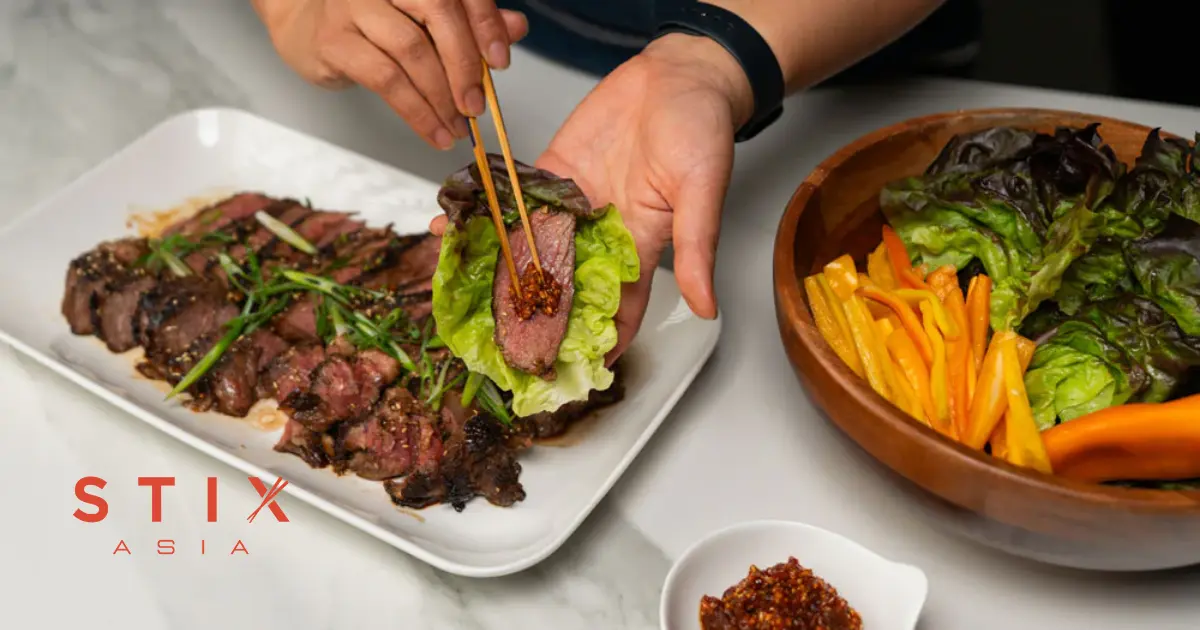
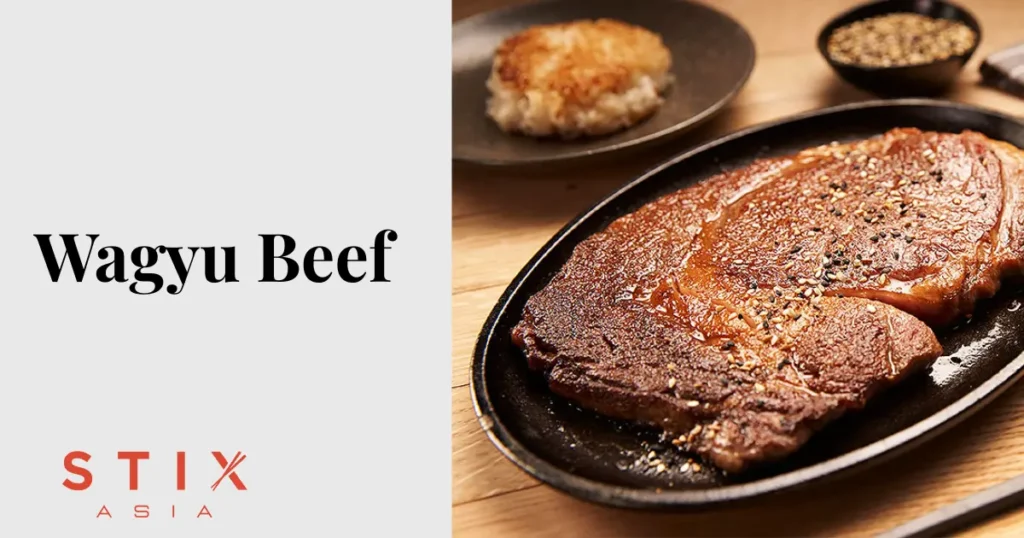
- Teppanyaki: Precision cooking on an iron grill
Modern Asian food halls and restaurants now incorporate Wagyu into fusion dishes, blending tradition with contemporary flavors.
Wagyu Beef Japan in Premium Dining Experiences
Wagyu beef is often featured in:
- Luxury Asian restaurants
- Japanese food halls
- High-end tasting menus
Its presence elevates the dining experience, attracting food enthusiasts seeking authenticity and indulgence.
For Asian food destinations STIX ASIA, Wagyu represents the pinnacle of Japanese culinary culture, a symbol of quality, tradition, and refined taste.
Is Wagyu Beef Healthy?
Despite its richness, Wagyu beef contains:
- Higher monounsaturated fats
- Better omega-3 and omega-6 balance
- Lower melting point fat
When enjoyed in moderation, Wagyu can be part of a balanced and satisfying dining experience.
Final Thoughts: Why Wagyu Beef Japan Matters
Wagyu beef Cows from Japan are not just food; it is a reflection of Japanese dedication to perfection. From careful breeding to precise grading, every element contributes to an unforgettable culinary experience.
For food lovers exploring authentic Asian cuisine, Wagyu offers:
- Unmatched tenderness
- Rich cultural heritage
- A true taste of Japan
Whether enjoyed traditionally or as part of a modern Asian food concept, Wagyu beef continues to define luxury dining worldwide.
FAQS
1. Is all Wagyu beef the same as Japanese Wagyu?
No. True Japanese Wagyu comes exclusively from Japan and follows strict government regulations for breeding, feeding, and grading. Wagyu raised outside Japan is often crossbred and does not match the marbling, texture, or authenticity of Japanese Wagyu.
2. What makes A5 Wagyu beef the highest grade?
A5 Wagyu is the top grade awarded under Japan’s official grading system. It represents the highest yield and quality, featuring exceptional marbling, ultra-tender texture, and a rich umami flavor that melts at low temperatures.
3. Why is Japanese Wagyu Beef more expensive than regular beef?
Japanese Wagyu is costly due to limited cattle numbers, long raising periods, premium care, strict quality control, and export restrictions. Each cut reflects years of craftsmanship rather than mass production.
4. How is Wagyu beef best cooked to enjoy its flavor?
Wagyu beef is best cooked simply and quickly. Popular methods include yakiniku, teppanyaki, shabu-shabu, and sukiyaki. Minimal seasoning is recommended to let the natural flavor and marbling shine.
5. Can Wagyu beef be part of a healthy diet?
Yes, when enjoyed in moderation. Wagyu contains higher monounsaturated fats and a better balance of omega-3 and omega-6 fatty acids compared to regular beef, making it a richer yet more refined option.