
Inari sushi may look simple, but it carries deep cultural meaning and has remained a favorite in Japan for generations. Today, it’s commonly found in sushi restaurants, food halls, bento boxes, festivals, and modern Asian dining spots.
But many people still wonder:
- Is inari sushi vegetarian?
- Is inari sushi healthy?
- Why is inari sushi sweet?
- How is it different from regular sushi?
What Is Inari Sushi?
Inari sushi is a Japanese sushi style where vinegared rice is placed inside seasoned fried tofu pockets instead of being rolled in seaweed or topped with fish. The tofu pouch is soft, slightly sweet, and soaked in a savory broth, while the rice inside is lightly tangy.
Unlike rolls or nigiri, inari sushi doesn’t focus on seafood. Instead, it’s all about balance — sweetness from the tofu, acidity from the rice, and a soft, comforting bite that feels familiar even to first-time sushi eaters.
Because of its gentle flavor, inari sushi is often one of the first sushi types people enjoy, especially those who don’t eat raw fish.
What Is Inari Sushi Made Of?
Inari sushi uses very few ingredients, but each one plays an important role. Nothing is overcomplicated, and that simplicity is exactly why it works so well.
Aburaage (Seasoned Fried Tofu Pouch)
The heart of inari sushi is aburaage. It’s made by deep-frying thin tofu slices until they puff up and become hollow. These tofu pockets are then simmered in a seasoned broth made from:
- Soy sauce
- Sugar
- Mirin (sweet rice wine)
- Dashi (Japanese stock)
This process allows the tofu to absorb flavor fully, turning it soft, juicy, and slightly sweet rather than crispy. The result is a pouch that melts in your mouth and pairs perfectly with sushi rice.
According to Wikipedia, aburaage has been used in Japanese cuisine for centuries and is closely associated with traditional home cooking and shrine offerings.
Sushi Rice (Sumeshi)
Inside the tofu pouch is short-grain Japanese rice seasoned with:
- Rice vinegar
- Sugar
- Salt
The light tanginess of the rice balances the sweetness of the tofu, keeping the overall flavor from becoming heavy.
Optional Regional Additions
Depending on the region or home-style preparation, the rice may also include:
- Sesame seeds
- Shredded carrots
- Simmered shiitake mushrooms
- Hijiki seaweed
These additions are common in western Japan and add subtle texture and earthy flavor without changing the essence of inari sushi.
The Meaning Behind Inari Sushi
The name “Inari” comes from Inari Ōkami, a Shinto deity associated with rice, agriculture, prosperity, and good fortune. Foxes, believed to be Inari’s messengers, are traditionally said to love fried tofu.
Because of this belief, fried tofu was often offered at Inari shrines across Japan. Over time, people began filling the tofu with rice, and inari sushi became a symbolic and everyday food.
Even today, inari sushi is commonly served during festivals, celebrations, and temple gatherings, representing abundance and gratitude.
Information on Inari shrines and their cultural importance is documented by Japan’s Agency for Cultural Affairs, reflecting how deeply food and spirituality intertwine in Japanese culture.
How Is Inari Sushi Different From Other Sushi?
Inari sushi stands out clearly from rolls and nigiri.
| Feature | Inari Sushi | Maki Rolls | Nigiri |
| Raw fish | No | Sometimes | Usually |
| Served at room temp | Yes | Yes | Yes |
| Vegetarian-friendly | Yes | Sometimes | Rare |
| Texture | Soft & tender | Mixed | Firm rice + fish |
| Flavor | Sweet & savory | Varies | Clean & ocean-forward |
| Beginner-friendly | Very high | Medium | Medium |
Because it doesn’t rely on raw seafood, inari sushi is especially popular among kids, vegetarians, and diners looking for something lighter.
Is Inari Sushi Healthy?
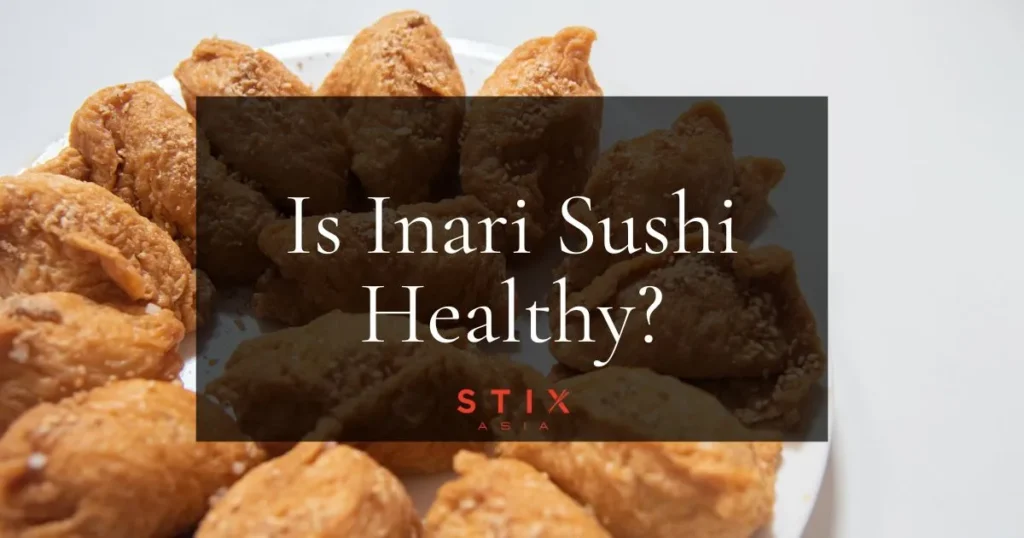
Inari sushi is often considered a lighter sushi option, but like any food, moderation matters.
Nutritional Highlights
Pros:
- Plant-based protein from tofu
- Naturally vegetarian
- No cholesterol from fish
- Low in saturated fat
- Easy to make vegan
Things to consider:
- Contains added sugar
- Moderate sodium from soy sauce
- Higher carbs compared to sashimi
When paired with vegetables, miso soup, or seaweed salad, inari sushi fits well into a balanced diet.
Why Is Inari Sushi So Popular Worldwide?
Gentle, Accessible Flavor
Inari sushi isn’t intimidating. It’s soft, lightly sweet, and familiar, even for people new to Japanese food.
Travel & Family Friendly
Since it contains no raw fish, it holds up well and travels easily. That’s why it’s a staple in bento boxes, food halls, and grab-and-go sushi counters.
Perfect for Modern Diets
With more people choosing vegetarian or flexitarian meals, inari sushi naturally fits modern dining preferences without losing authenticity.
Modern Inari Sushi Variations
While traditional inari sushi remains timeless, modern chefs often add creative touches.
Open-Faced Inari
The tofu pouch is left open and topped with ingredients like:
- Avocado
- Pickled vegetables
- Shrimp
- Salmon roe
Fusion-Style Inari
Some modern versions include:
- Spicy mayo drizzle
- Sesame crunch
- Truffle oil
- Kimchi-infused rice
These variations keep the traditional base while adding global flavors.
How Inari Sushi Is Usually Served
Inari sushi is typically served:
- At room temperature
- Without soy sauce or wasabi
- As an appetizer or standalone sushi item
Because the tofu pouch is already seasoned, extra condiments aren’t necessary.
Best Pairings With Inari Sushi
Inari sushi pairs beautifully with:
- Miso soup
- Seaweed salad
- Edamame
- Green tea
- Light pickles
These sides balance its sweetness without overpowering it.
Why Inari Sushi Still Matters
Inari sushi represents the heart of Japanese comfort food. It shows how simple ingredients, treated with care, can create something meaningful and satisfying. Its cultural roots, plant-based nature, and universal appeal ensure it remains relevant — from traditional markets in Japan to modern Asian food halls around the world.
Sometimes, sushi doesn’t need complexity. It just needs balance.
Enjoy the Best Inari Sushi in Waikiki and Las Vegas
Inari sushi is soft, sweet-savory, and perfect for anyone looking for a light, flavorful, and vegetarian-friendly sushi option. It’s a smart choice whether you want a quick bite, a healthy lunch, or a comforting snack. Packed with perfectly seasoned rice and tender tofu, it’s satisfying without feeling heavy.
To taste authentic inari sushi made fresh daily, visit Stix Asia, the premier Asian food hall in Waikiki and Las Vegas. With fresh sushi, wholesome sides, and a variety of flavorful options, Stix Asia makes every sushi experience memorable. Explore Our Menu and find your new favorite today!
Frequently Asked Questions
Is inari sushi vegan?
Often yes. It becomes fully vegan when made without fish-based dashi.
Does inari sushi contain gluten?
Traditional soy sauce contains gluten, but gluten-free versions are available.
Is inari sushi served warm?
No. It’s typically served at room temperature.
Can kids eat inari sushi?
Yes. It’s one of the most kid-friendly sushi options.
Does inari sushi spoil quickly?
It lasts longer than raw fish sushi but should be eaten the same day.
Is inari sushi sweet or savory?
Both. The tofu is sweet-savory, while the rice is lightly tangy.