
Today, food lovers everywhere search for authentic noodle bowls that deliver both flavor and culture. Whether you are exploring the best ramen in Waikiki or learning about ramen culture in Japan, there is no denying that this iconic Japanese dish continues to grow in popularity.
At STIX ASIA, ramen is celebrated as part of a larger Asian culinary experience that brings together authentic flavors, modern dining, and cultural traditions in one place.
The Origins of Japanese Ramen
Although ramen is now considered a symbol of Japanese cuisine, its roots trace back to Chinese noodle dishes introduced to Japan many decades ago. Over time, Japanese chefs transformed ramen into something uniquely their own by experimenting with broths, seasonings, noodles, and toppings.
Today, every region of Japan has its own ramen style. Some areas specialize in rich pork-based broths, while others focus on lighter soy sauce or miso flavors. This regional diversity is one reason ramen culture in Japan remains so fascinating to food lovers worldwide.
Unlike many traditional dishes that stay relatively unchanged, ramen constantly evolves. New ingredients, fusion recipes, and modern cooking techniques continue to shape the ramen experience while preserving its authentic roots.
Why People Love Japanese Ramen
1. Rich and Flavorful Broth
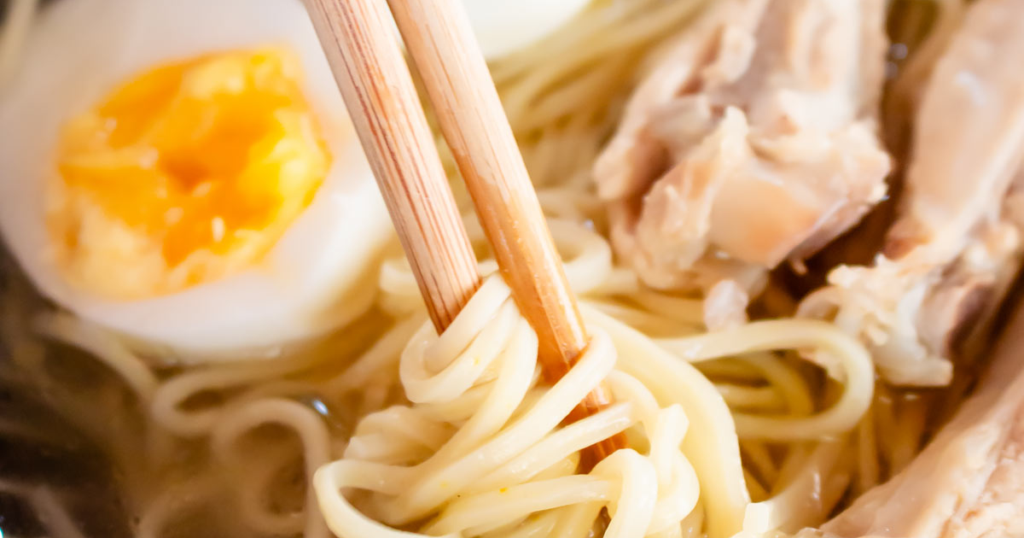
The broth is the heart of every ramen bowl. A well-prepared broth can take hours — sometimes even days, to develop its deep flavor profile.
Popular ramen broth styles include:
- Tonkotsu (pork bone broth)
- Shoyu (soy sauce-based broth)
- Miso broth
- Shio (salt-based broth)
Each broth offers a completely different experience, allowing diners to choose flavors that match their personal preferences. This variety makes Japanese ramen appealing to almost everyone.
The comforting warmth of ramen broth is especially satisfying after a long day, making it one of the ultimate comfort foods.
2. Perfectly Textured Noodles
Ramen noodles are another key reason for the dish’s popularity. Unlike standard noodles, ramen noodles are designed specifically to pair with particular broth styles.
Some are thick and chewy, while others are thin and delicate. The texture creates balance in every bite and enhances the overall experience of the dish.
Authentic Japanese noodle bowls focus heavily on noodle quality because the right texture can completely transform the meal.
3. Endless Customization
One of the biggest reasons ramen continues to attract food lovers is customization.
Popular toppings include:
- Soft-boiled eggs
- Chashu pork
- Green onions
- Bamboo shoots
- Seaweed
- Corn
- Spicy chili oil
This flexibility allows diners to create a ramen bowl that perfectly suits their tastes. Whether someone prefers spicy flavors, rich meats, or vegetarian ingredients, ramen can adapt easily.
At modern dining destinations like STIX ASIA, guests can enjoy a diverse selection of Asian-inspired dishes that reflect this same spirit of customization and culinary creativity.
Ramen Culture in Japan
Ramen is more than food in Japan, it is part of everyday life. Small ramen shops can be found throughout cities, train stations, and neighborhoods across the country.
In Japan, many ramen chefs spend years mastering broth preparation, noodle techniques, and ingredient balance. Some ramen restaurants specialize in only one type of broth, dedicating themselves entirely to perfecting that flavor.
Ramen culture in Japan also includes unique dining customs. Quick service, counter seating, and focused eating are common experiences in traditional ramen shops. Many diners appreciate the simplicity and authenticity of these restaurants.
Additionally, ramen festivals and food halls have become popular attractions where visitors can try multiple regional ramen styles in one location.
The Rise of Ramen Around the World
Over the past decade, ramen has exploded in popularity internationally. Social media, food tourism, and growing interest in Japanese cuisine have helped ramen reach audiences worldwide.
Today, people search for:
- Authentic ramen in Hawaii
- Best ramen in Waikiki
- Japanese noodle bowls near me
- Traditional Japanese ramen restaurants
Travelers often prioritize ramen experiences while visiting destinations known for Asian cuisine.
The global success of ramen can also be linked to its versatility. It works equally well as:
- A quick lunch
- A late-night comfort meal
- A gourmet dining experience
- A casual food hall favorite
Modern restaurants continue to reinvent ramen with seafood variations, vegan options, spicy fusion recipes, and premium ingredients.
Why Ramen Works So Well in Food Halls
Food halls have become one of the biggest dining trends in recent years, and ramen fits perfectly into this environment.
Ramen offers:
- Fast preparation
- Strong visual appeal
- Bold aromas
- Highly customizable meals
- Broad audience appeal
This makes ramen an ideal feature for modern Asian food halls where guests want variety and authentic experiences.
At STIX ASIA, visitors can experience the vibrant atmosphere of Asian street food culture combined with high-quality dining. The growing popularity of ramen food halls reflects how diners now seek immersive culinary experiences rather than simple meals.
Best Ramen in Waikiki: Why Tourists Love It
Waikiki has become a hotspot for Asian cuisine, attracting visitors looking for authentic Japanese flavors during their Hawaiian vacation.
Many tourists search specifically for:
- Best ramen in Waikiki
- Authentic ramen in Hawaii
- Japanese food halls in Honolulu
Ramen pairs naturally with Hawaii’s multicultural food scene because it combines comfort, freshness, and bold flavor in one bowl.
Visitors also appreciate that ramen offers a satisfying meal after beach activities, sightseeing, or shopping. The balance of warm broth, savory toppings, and hearty noodles makes it a favorite choice among locals and tourists alike.
As food tourism continues growing in Hawaii, ramen remains one of the most sought-after dining experiences.
The Comfort Food Effect
Another major reason for ramen’s popularity is emotional connection.
Many people associate ramen with:
- Warmth
- Relaxation
- Convenience
- Nostalgia
- Comfort
The steaming broth and rich flavors create a sense of comfort that few dishes can match. This emotional appeal helps ramen stand out even in competitive food markets.
Whether enjoyed alone, with friends, or during travel, ramen creates memorable dining moments that people often crave again and again.
Health and Nutrition in Modern Ramen
While ramen is often considered indulgent comfort food, modern restaurants are increasingly offering healthier options.
Today’s ramen menus may include:
- Lean proteins
- Fresh vegetables
- Lower-sodium broth options
- Gluten-free noodles
- Plant-based ingredients
This evolution allows ramen to appeal to health-conscious diners while maintaining its authentic flavor.
Many modern Asian dining brands, including STIX ASIA, focus on balancing traditional culinary experiences with modern dining preferences.
The Future of Japanese Ramen
Ramen continues evolving as chefs experiment with new flavors and global influences. However, its core appeal remains unchanged: rich flavor, satisfying texture, and cultural authenticity.
Future ramen trends may include:
- More plant-based ramen options
- Sustainable ingredients
- Regional Japanese specialties
- Interactive dining experiences
- Premium gourmet ramen concepts
As global interest in Japanese cuisine continues to grow, ramen will likely remain one of the most iconic and beloved dishes worldwide.
Final Thoughts
The popularity of Japanese ramen comes from its perfect combination of flavor, tradition, comfort, and creativity. From authentic ramen shops in Japan to modern food halls in Hawaii, ramen continues bringing people together through unforgettable dining experiences.
Its rich broths, customizable toppings, and cultural significance make ramen far more than a simple noodle dish. It represents a culinary tradition that constantly evolves while staying true to its roots.
For anyone exploring Asian cuisine or searching for the best ramen in Waikiki, experiences like those offered at STIX ASIA showcase why ramen remains one of the world’s favorite comfort foods.
Frequently Asked Questions (FAQs)
1. What is Japanese ramen made of?
Japanese ramen is typically made with wheat noodles served in a flavorful broth such as tonkotsu, miso, shoyu, or shio. Common toppings include sliced pork, soft-boiled eggs, green onions, seaweed, and bamboo shoots.
2. Why is Japanese ramen so popular worldwide?
Japanese ramen is popular because of its rich flavor, comforting broth, customizable ingredients, and cultural authenticity. Its versatility allows people to enjoy different styles of ramen based on personal taste preferences.
3. What is the difference between ramen and regular noodles?
Ramen noodles are specifically designed for ramen dishes and usually contain alkaline water, which gives them their unique chewy texture and yellow color. Regular noodles often have a softer texture and are used in different types of dishes.
4. Where can I find authentic ramen in Hawaii?
Visitors searching for authentic ramen Hawaii experiences often explore Asian food halls and Japanese restaurants in Waikiki. Dining destinations like STIX ASIA offer an immersive Asian culinary atmosphere inspired by authentic flavors and modern food culture.
5. Is ramen considered healthy?
Ramen can be part of a balanced diet depending on the ingredients used. Many modern restaurants now offer healthier ramen options with fresh vegetables, lean proteins, lower-sodium broths, and plant-based ingredients.