
From sushi rolls to refreshing salads, kani has become a favorite ingredient worldwide. Let’s explore what kani is, how it’s made, and the many delicious ways it’s used in Japanese food.
What Is Kani?
The Japanese word kani (カニ) literally means crab. In traditional Japanese cuisine, kani refers to real crab meat harvested from different crab species such as snow crab, king crab, or blue crab.
However, in many sushi restaurants outside Japan, especially in North America and other international markets, “kani” often refers to imitation crab meat, also known as surimi. This imitation crab is made primarily from white fish, usually Alaska pollock, which is processed and flavored to resemble real crab.
Because it’s affordable, convenient, and has a mild seafood flavor, imitation kani is widely used in sushi, salads, and seafood appetizers.
Kani Sushi Meaning
If you’ve searched for kani sushi meaning, the answer is quite simple.
Kani sushi refers to any sushi that contains crab or imitation crab. Depending on the restaurant, kani sushi may include:
- Real crab meat
- Imitation crab (surimi)
- Crab mixed with mayonnaise
- Spicy crab filling
The type of kani used usually depends on the restaurant’s style, pricing, and recipe.
Kani sushi is especially popular because of its sweet flavor and soft texture, making it an excellent option for people who are new to sushi.
What Is Kani Sushi?
Many people ask, What is kani sushi?
Kani sushi is sushi prepared using crab meat or imitation crab. It can be served in various styles, including:
- Sushi rolls (maki)
- Nigiri
- Hand rolls
- California rolls
- Spicy kani rolls
Because imitation crab is fully cooked before being packaged, kani sushi is considered one of the safest sushi choices for those who prefer cooked seafood over raw fish.
Kani in Sushi
Today, kani in sushi is one of the most commonly used seafood ingredients around the world.
Restaurants use kani because it offers several benefits:
- Mild seafood flavor
- Affordable compared to real crab
- Easy to prepare
- Fully cooked
- Consistent texture
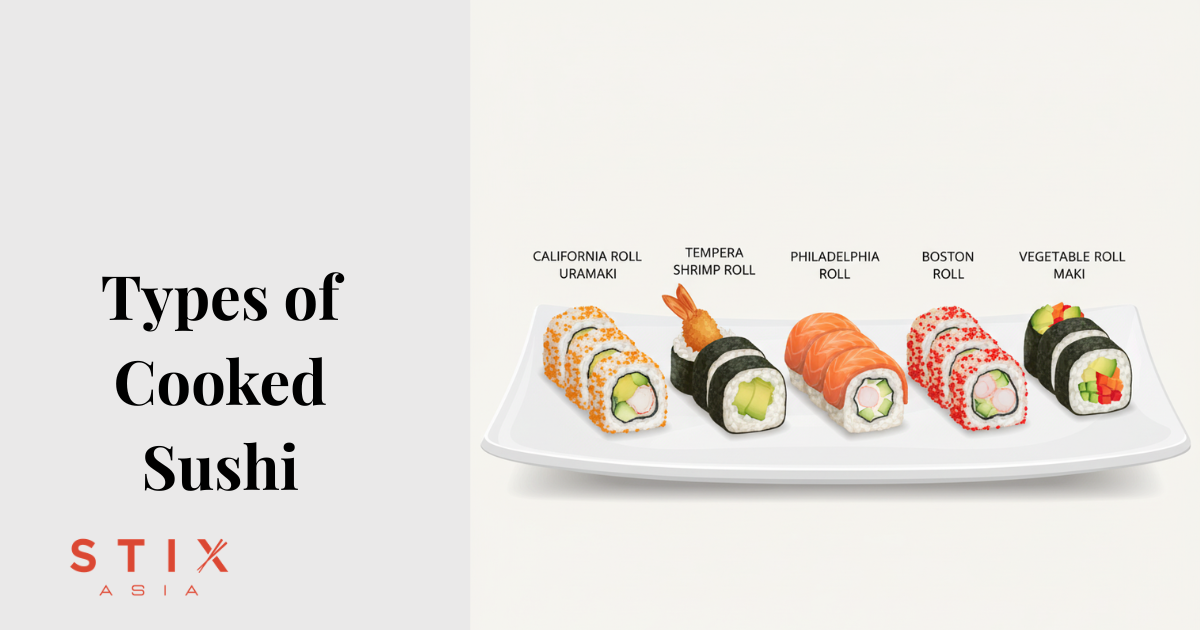
Popular sushi rolls that contain kani include:
- California Roll
- Rainbow Roll
- Spider Roll (sometimes)
- Philadelphia Roll variations
- Dragon Roll variations
- Spicy Kani Roll
Its slightly sweet taste pairs well with avocado, cucumber, cream cheese, spicy mayo, sesame seeds, and sushi rice.
Kani Japanese Food
When discussing kani Japanese food, sushi is only the beginning.
Kani appears in many traditional and modern Japanese dishes, including:
Kani Salad
A light salad made with shredded kani, cucumber, carrots, Japanese mayonnaise, sesame seeds, and sometimes tobiko.
Kani Tempura
Crab or imitation crab coated in tempura batter and deep fried until crispy.
Kani Udon
Thick Japanese noodles served in a savory broth with crab meat.
Kani Don
A rice bowl topped with crab meat, egg, vegetables, and Japanese seasonings.
Kani Croquettes
Creamy crab-filled croquettes coated in breadcrumbs and fried until golden brown.
These dishes showcase kani’s versatility across Japanese cuisine.
Spicy Kani Salad
One of the most searched Japanese appetizers is spicy kani salad.
This refreshing dish combines shredded kani with crunchy vegetables and a creamy spicy dressing.
Common ingredients include:
- Shredded kani
- Cucumber
- Carrots
- Japanese mayonnaise
- Sriracha
- Sesame oil
- Rice vinegar
- Sesame seeds
- Green onions
Some recipes also include avocado, tobiko, mango, or crispy tempura flakes for extra flavor and texture.
Spicy kani salad is popular because it offers a perfect balance of sweetness, spice, creaminess, and crunch.
Maki Kani
Another keyword many sushi lovers search for is maki kani.
“Maki” means rolled sushi in Japanese.
Therefore, maki kani simply refers to sushi rolls made with crab or imitation crab.
Basic kani maki usually contains:
- Sushi rice
- Nori (seaweed)
- Kani
- Cucumber
More elaborate versions may also include:
- Avocado
- Cream cheese
- Spicy mayo
- Tempura flakes
- Eel sauce
Kani maki is often recommended for beginners because its flavor is mild and easy to enjoy.
Is Kani Healthy?
Kani can be part of a balanced diet when eaten in moderation.
Benefits
- Good source of protein
- Low in fat
- Low in calories
- Fully cooked
- Easy to digest
Things to Consider
Imitation kani contains added ingredients such as:
- Starch
- Sugar
- Salt
- Food coloring
- Flavorings
Real crab generally provides more vitamins, minerals, and omega-3 fatty acids than imitation crab.
If nutrition is your priority, choosing real crab whenever available is the healthier option.
Difference Between Real Crab and Imitation Kani
Many people assume kani always means real crab, but that’s not always the case.
Real Crab
- Made from actual crab meat
- Rich seafood flavor
- Higher nutritional value
- More expensive
Imitation Kani
- Made from surimi (processed white fish)
- Mild sweet flavor
- More affordable
- Widely used in sushi restaurants
Both options have their place depending on taste preferences and budget.
Why Is Kani So Popular?
Kani has become a global sushi favorite for several reasons.
It is:
- Affordable
- Easy to prepare
- Safe to eat
- Mild in flavor
- Kid-friendly
- Perfect for beginners
Unlike raw seafood, imitation kani doesn’t require special handling before serving, making it convenient for restaurants and home cooks alike.
How to Use Kani at Home
Kani is incredibly versatile and can be used in many homemade dishes.
Ideas include:
- Sushi rolls
- Rice bowls
- Pasta
- Sandwiches
- Wraps
- Salads
- Fried rice
- Sushi bake
- Spring rolls
Because it’s already cooked, preparation is quick and easy.
Choosing Quality Japanese Ingredients
Whether you’re preparing sushi at home or running a restaurant, ingredient quality makes a significant difference. Premium sushi rice, authentic seasonings, nori, sauces, and Japanese pantry essentials help create better flavor and a more authentic dining experience.
For chefs, food businesses, and Japanese cuisine enthusiasts looking for dependable ingredients and food solutions, STIX ASIA offers quality products designed to support authentic Asian cooking and consistent results.
Final Thoughts
So, what is kani? In Japanese, kani simply means crab, but in many sushi restaurants, it commonly refers to imitation crab made from surimi. Whether you’re enjoying kani in sushi, tasting a fresh spicy kani salad, ordering maki kani, or exploring other kani Japanese food, this versatile ingredient remains one of the most popular choices in Japanese cuisine.
Its mild flavor, affordability, and versatility make it ideal for sushi lovers of all experience levels. Whether made with real crab or imitation crab, kani continues to be a delicious staple in Japanese-inspired dishes around the world.