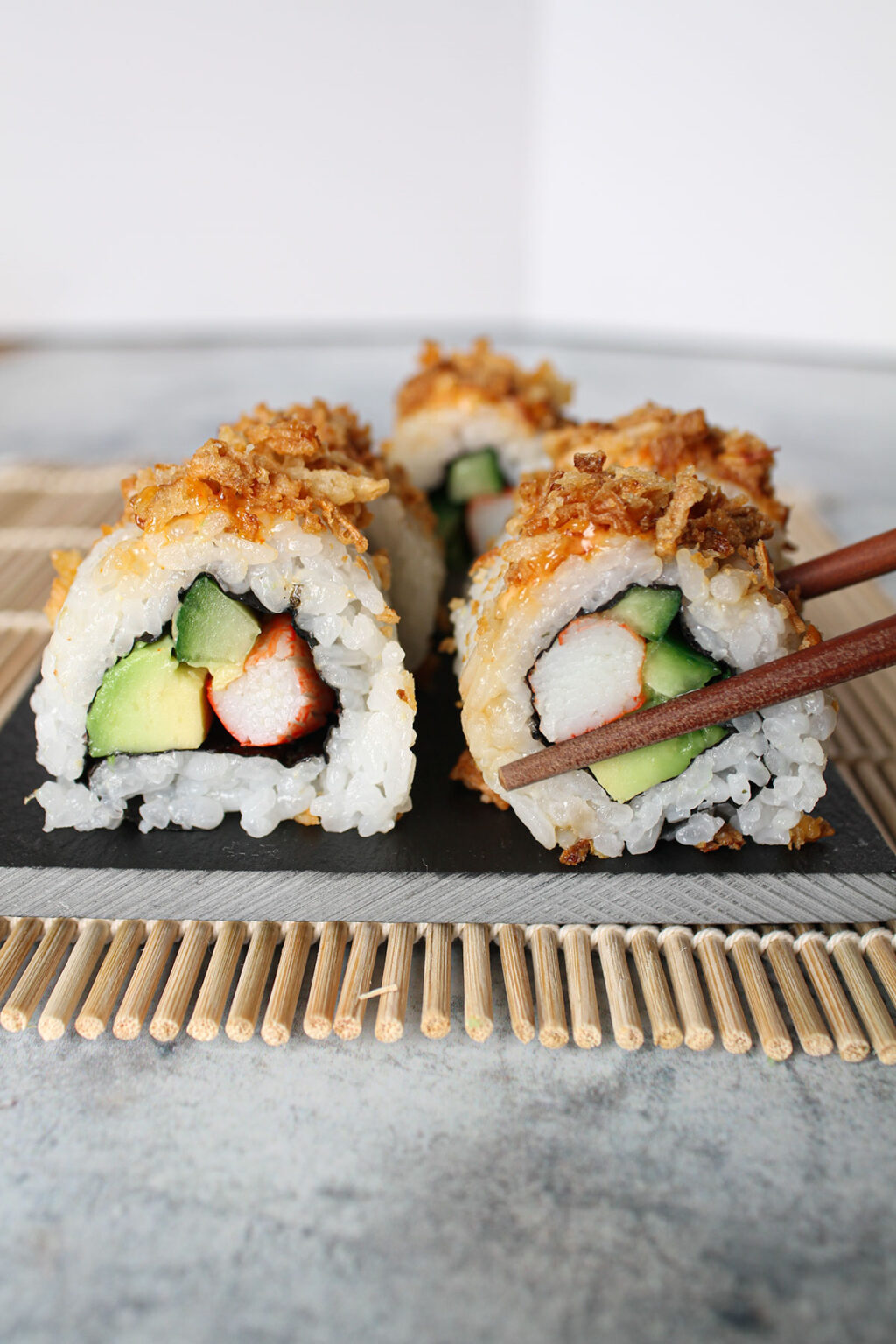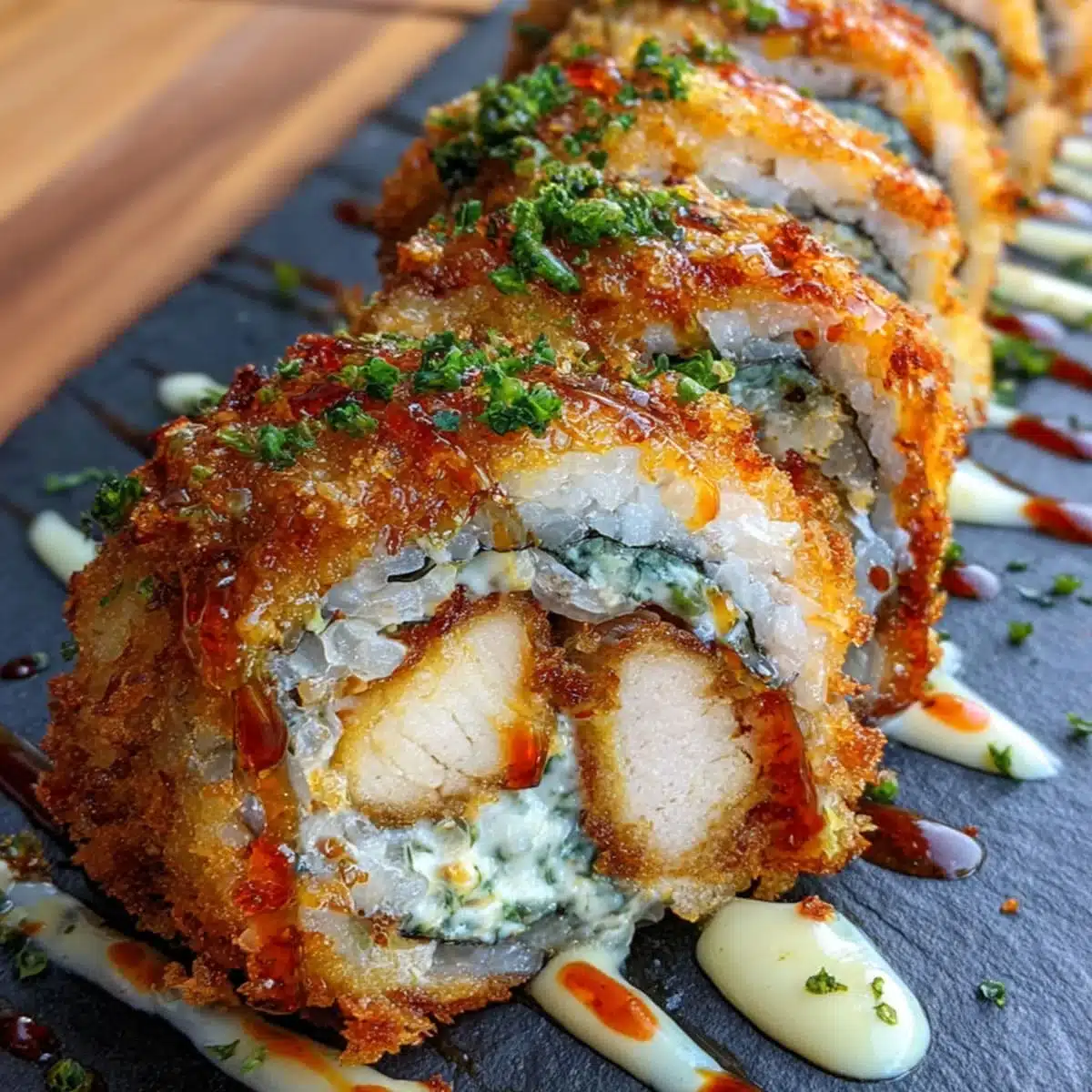

Unlike traditional sushi rolls that focus on simple ingredients and delicate textures, crunchy rolls often feature fried seafood, toasted toppings, tempura flakes, or other ingredients that create a crisp finish. Some versions have a soft, creamy center, while others deliver crunch from the inside out.
If you enjoy experimenting with different sushi styles, understanding the ingredients, preparation methods, and popular variations can help you choose a roll that matches your taste.
What Is Crunchy Roll Sushi?
Crunchy roll sushi is a modern style of sushi roll that features one or more crispy ingredients. Depending on the recipe, the crunch may come from shrimp tempura, crispy fried onions, tempura flakes, or a lightly fried outer coating.
Most versions combine sushi rice, nori seaweed, seafood or vegetables, and optional sauces. Inside-out rolls, also known as uramaki, are especially popular because their rice-covered exterior provides a convenient base for crunchy toppings.
There is no single standardized recipe for a crunchy roll. One restaurant may serve shrimp tempura with avocado and spicy mayo, while another may use imitation crab, cucumber, and crispy flakes.
The defining feature is the contrast between the crunchy components and the softer ingredients.
For a broader introduction to sushi styles and preparation methods, read our guide to different types of sushi rolls.
What Ingredients Are Used in a Crunchy Roll?
The ingredients depend on the specific roll, but several components commonly appear in crunchy sushi recipes.
1. Sushi Rice
Seasoned sushi rice provides the foundation of the roll. Its slightly tangy flavor and soft, sticky texture balance the crispy toppings and savory fillings.
The rice is usually prepared with rice vinegar, sugar, and salt before being shaped around the other ingredients.
2. Nori Seaweed
Nori is a thin sheet of dried seaweed used to hold the rice and fillings together. In a traditional maki roll, the nori forms the outer layer. In an inside-out roll, it is usually positioned between the rice and the filling.
3. Shrimp Tempura
Shrimp tempura is a popular choice for crunchy rolls. The shrimp is coated in a light batter and fried until crisp, creating a contrast with the soft rice and creamy avocado.
If you prefer seafood with a delicate crunch, explore our article about cooked sushi and fried sushi rolls.
4. Imitation Crab
Imitation crab, commonly called kani, is made primarily from processed fish and is often used in California-style sushi rolls.
Its mild, slightly sweet flavor pairs well with avocado, cucumber, rice, and crunchy toppings. Some recipes combine shredded imitation crab with mayonnaise to create a creamy filling.
For more details, see our guide to kani and its uses in sushi.
5. Avocado and Cucumber
Avocado adds a smooth, creamy texture, while cucumber provides a fresh, crisp bite. Together, they balance richer fillings and fried ingredients.
These vegetables are particularly common in California-style rolls and shrimp tempura variations.
6. Crispy Toppings and Sauces
Tempura flakes, crispy fried onions, toasted sesame seeds, and other crunchy toppings can give sushi rolls additional texture.
Popular sauce choices include spicy mayo and sweet eel-style sauce. The amount and type of sauce can significantly affect the finished flavor, so a lighter drizzle may be preferable when you want the crispy ingredients to remain the main attraction.
6 Popular Types of Crunchy Sushi Rolls
Crunchy sushi comes in several variations. Although their names and ingredients can differ between restaurants, the following styles are common examples of what sushi lovers may encounter.
1. Crunch Roll Sushi
A crunch roll sushi recipe typically emphasizes crispy toppings, often paired with cooked seafood or imitation crab.
Common ingredients may include:
- Sushi rice and nori
- Shrimp tempura or imitation crab
- Avocado or cucumber
- Tempura flakes or crispy onions
- Spicy mayo or a sweet savory sauce
The combination creates a contrast between the soft rice, creamy filling, and crisp exterior.
Some restaurants use the name “crunch roll” for a roll topped with tempura flakes, while others use it for versions containing fried seafood. Checking the ingredient description is the best way to understand what a particular restaurant serves.
2. California Crunch Roll
A California crunch roll combines the familiar flavors of a California roll with an additional crispy element.
A standard California roll commonly contains imitation crab, avocado, and cucumber. The crunch variation may add tempura flakes, crispy onions, or another crunchy topping.
The result balances mild seafood flavor, creamy avocado, fresh cucumber, and a crisp finish.
This option may appeal to people who enjoy California rolls but want more texture. However, the exact ingredients vary, and a California crunch roll should not be assumed to be identical across restaurants.
3. Crunchy Shrimp Roll
A crunchy shrimp roll usually features shrimp tempura as its main ingredient. The shrimp provides a crisp bite and savory flavor that works well with softer fillings.
Depending on the recipe, the roll may include avocado, cucumber, imitation crab, or a drizzle of spicy mayo.
The main appeal is the contrast between the fried shrimp and the soft sushi rice. Additional crispy toppings can intensify that texture, while avocado and sauce help balance the flavors.
If you prefer cooked seafood to raw fish, shrimp tempura rolls can be a familiar starting point when exploring different sushi options.
4. Fried Sushi Rolls
Fried sushi rolls take crunchiness a step further by frying some or all of the assembled roll.
There are two common approaches. The first uses fried ingredients, such as shrimp tempura, inside a roll that is otherwise not fried. The second coats and fries the entire assembled roll, creating a crisp outer layer.
Fully fried rolls may have a warmer center and a more pronounced crunchy coating. They can also feel richer than rolls that rely only on crispy toppings.
These preparation methods are not interchangeable, so check whether a menu describes the filling as fried or the entire roll as fried.
5. Sushi Crunchy Roll With Tempura Flakes
Some crunchy rolls rely on toppings rather than fried fillings. Tempura flakes are small, crispy pieces of batter that add texture when sprinkled over a finished roll.
They can be paired with imitation crab, shrimp, avocado, cucumber, or other fillings. Because the flakes are relatively light, they provide crunch without necessarily making the entire roll heavily fried.
For the best texture, crunchy toppings are generally added close to serving time. Excess moisture from sauces and fillings can soften them.
6. Crispy California Roll
A crispy California roll is another variation built around the familiar California roll combination.
It may feature a crunchy topping, a fried outer coating, or a crisp ingredient incorporated into the filling. Some versions also include sauces that add sweetness, richness, or a little heat.
The difference between a crispy California roll and a California crunch roll is not universal. Restaurants may use these names for similar preparations, so the ingredient list and cooking method matter more than the name alone.
Crunch Roll Sushi vs. California Crunch Roll
Although these names sometimes describe similar dishes, they can refer to different combinations of ingredients.
| Feature | Crunch roll sushi | California crunch roll |
| Typical base | Sushi rice and nori | California roll ingredients |
| Common filling | Shrimp tempura, crab, or other fillings | Imitation crab, avocado, and cucumber |
| Crunchy component | Tempura flakes, crispy onions, or fried ingredients | Crispy toppings or a fried component |
| Flavor profile | Varies by recipe | Usually mild, creamy, and savory |
| Best way to compare | Check the filling and toppings | Check the California-style ingredients and preparation |
The distinction depends on the restaurant. Neither name guarantees a specific recipe, and some menus may use the terms interchangeably.
What Does Crunchy Roll Sushi Taste Like?
Crunchy roll sushi is known for its contrast of textures and complementary flavors.
The crispy component provides a light, crackling bite, while sushi rice offers a soft, slightly tangy foundation. Shrimp tempura adds savory seafood flavor, whereas imitation crab tends to have a milder, slightly sweet taste.
Avocado contributes creaminess, and cucumber adds freshness. Sauces can make the overall flavor sweeter, richer, or spicier.
The final taste depends on the combination of ingredients. A shrimp tempura roll with spicy mayo will taste different from a California-style roll topped with tempura flakes.
For people who enjoy several textures in one dish, crunchy rolls offer a straightforward way to explore modern sushi variations.
How to Make Crunchy Roll Sushi at Home
Making a crunchy roll at home requires prepared sushi rice, nori, your preferred fillings, and a crunchy component.
Ingredients
- Prepared sushi rice
- Nori sheets
- Cooked shrimp tempura or imitation crab
- Avocado
- Cucumber
- Tempura flakes or another suitable crispy topping
- Optional spicy mayo or sweet sushi sauce
Adjust the ingredients according to the style of roll you want to prepare.
Preparation Steps
Step 1: Prepare the sushi rice.
Cook short-grain rice and season it with a suitable sushi vinegar mixture. Allow it to cool to a comfortable handling temperature before assembling the roll.
Step 2: Prepare the fillings.
Cut the avocado and cucumber into thin strips. If using shrimp tempura, cook it according to the package instructions or prepare it using an appropriate recipe. Let it cool slightly before assembling.
Step 3: Arrange the nori and rice.
Place a sheet of nori on a bamboo rolling mat. Spread a thin, even layer of sushi rice over the nori. For an inside-out roll, the rice-covered side can be positioned outward using a suitable preparation method.
Step 4: Add the fillings.
Arrange the shrimp or imitation crab, avocado, and cucumber in a line near the edge closest to you. Avoid overfilling the roll, as too many ingredients can make it difficult to seal.
Step 5: Roll firmly.
Use the bamboo mat to roll the ingredients into a compact cylinder. Apply gentle, even pressure to keep the roll together without crushing the filling.
Step 6: Add the crunchy topping.
Sprinkle tempura flakes or another suitable crispy topping over the exterior. Add sauce sparingly so the crunchy ingredients retain their texture.
Step 7: Slice and serve.
Use a sharp knife, wiping the blade with a damp cloth between cuts as needed. Serve promptly for the best contrast between the soft rice and crispy components.
Tips for Better Results
- Avoid adding too much sauce before serving.
- Keep the rice layer even rather than excessively thick.
- Use a sharp knife to produce cleaner slices.
- Add delicate crispy toppings just before serving.
- Keep seafood and other perishable ingredients at safe temperatures during preparation.
When preparing sushi with raw seafood, follow appropriate food-safety guidance and use seafood intended for raw consumption. Cooking the filling does not eliminate the need for safe handling of the rice and other ingredients.
How to Choose the Right Crunchy Sushi Roll
The best crunchy sushi roll depends on your preferred ingredients, texture, and flavor.
If you enjoy shrimp: Consider a crunchy shrimp roll featuring shrimp tempura, cucumber, and avocado.
you prefer mild flavors: A California crunch roll may suit you because imitation crab, avocado, and cucumber generally provide a milder combination.
you enjoy extra texture: Look for a crunch roll topped with tempura flakes or crispy onions.
If you prefer a richer bite: A fully fried sushi roll with a suitable sauce may be a better match.
If you are new to sushi: Start with a cooked seafood or California-style roll and check the ingredients before ordering.
It is also worth checking whether a roll contains raw seafood, cooked seafood, imitation crab, mayonnaise-based sauces, or other ingredients relevant to your preferences.
Where to Enjoy Sushi in Waikiki and Las Vegas
For diners exploring Asian cuisine, STIX ASIA offers a food hall setting in Waikiki and Las Vegas, with multiple dining options under one roof.
You can explore the STIX ASIA Waikiki location or the STIX ASIA Las Vegas location for location information.
If you are planning a sushi-focused meal, check the current offerings at the relevant dining venue before visiting. Specific crunchy roll varieties, ingredients, and availability may differ from one menu to another.
Frequently Asked Questions
What is crunchy roll sushi made of?
Crunchy roll sushi typically contains seasoned sushi rice, nori, a filling such as shrimp tempura or imitation crab, and a crispy component such as tempura flakes or fried onions. Avocado, cucumber, and sauces are common additions, but the recipe varies by restaurant.
Is a crunch roll the same as a California roll?
Not necessarily. A California roll commonly contains imitation crab, avocado, and cucumber. A crunch roll emphasizes crispy ingredients, while a California crunch roll generally combines California-style fillings with a crunchy topping or preparation.
What is the difference between a crunchy shrimp roll and a California crunch roll?
A crunchy shrimp roll typically features shrimp tempura as its main filling. A California crunch roll generally builds on the imitation crab, avocado, and cucumber combination associated with California rolls. Both may include crispy toppings, depending on the recipe.
Are all crunchy sushi rolls deep-fried?
No. Some crunchy rolls contain fried shrimp or another crispy filling but are not fried as a complete roll. Others have tempura flakes or crispy toppings added after assembly. Fully fried sushi rolls are a separate preparation style.
What gives sushi rolls their crunchy texture?
The texture usually comes from shrimp tempura, tempura flakes, crispy onions, or a fried outer coating. The exact ingredient depends on the recipe, and toppings can soften when exposed to moisture for too long.
Can you make crunchy roll sushi without seafood?
Yes. You can prepare a vegetarian version with sushi rice, nori, avocado, cucumber, and suitable crispy toppings. Check the ingredients of the toppings and sauces to ensure they meet your dietary requirements.
How do you keep crunchy sushi rolls crispy?
Serve the rolls soon after preparation, add crispy toppings just before serving, and avoid excessive sauce. Moisture from rice, fillings, and sauces gradually softens many crunchy ingredients.
Which crunchy sushi roll should beginners try?
A California-style crunch roll or a cooked shrimp tempura roll can be a good starting point for people who prefer familiar flavors. The best choice depends on your preferences, and the restaurant’s ingredient list can help you decide.
Final Thoughts
Crunchy roll sushi brings together soft rice, flavorful fillings, and crispy ingredients for a distinctive eating experience. From California crunch rolls to crunchy shrimp rolls and fully fried sushi, there are several ways to enjoy this popular style.
The key difference between these variations lies in their ingredients and preparation methods. Once you understand how tempura, avocado, imitation crab, cucumber, and crunchy toppings work together, it becomes easier to choose a roll that matches your taste.
Whether you are exploring sushi for the first time or looking for a new variation to try, crunchy rolls offer plenty of opportunities to enjoy different textures and flavors.