
What Is Tobiko? (The Orange Eggs on Sushi)
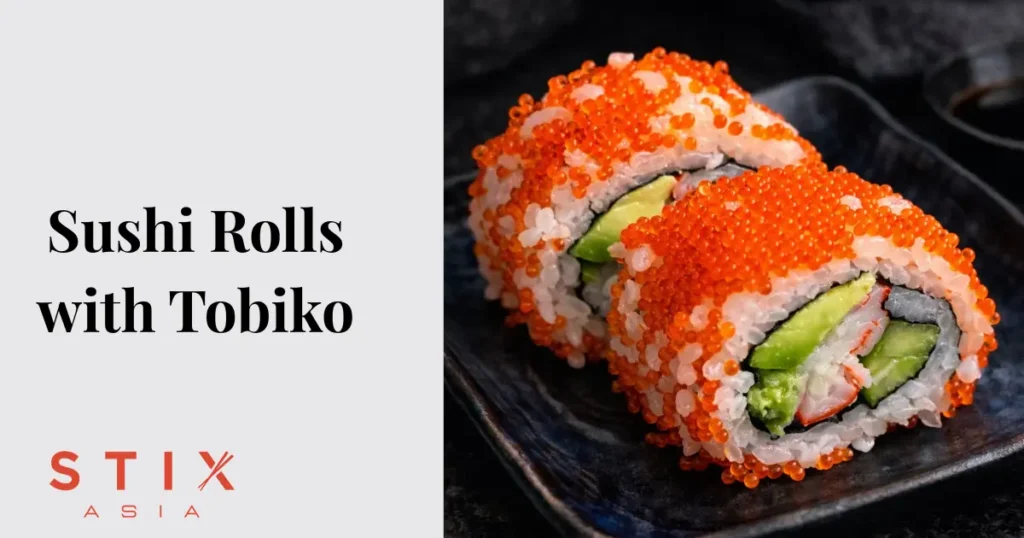
Tobiko is flying fish roe. The eggs are naturally orange, roughly 0.5–0.8mm in diameter, and known for their firm outer shell that “pops” when you bite them. The flavor is mildly briny, slightly sweet, and faintly smoky.
You will see tobiko used in two ways in sushi:
- Coating: rolled on the outside of uramaki (inside-out) rolls
- Garnish: spooned on top of nigiri or gunkan sushi
Tobiko Colors and Flavors
Tobiko absorbs natural dyes without losing its texture. Each color signals a different flavor:
| Color | Dye Source | Flavor |
| Orange | None (natural) | Classic — mild brine, slightly sweet |
| Black | Squid ink | Earthy, more savory |
| Red | Beet juice | Subtle sweetness |
| Green | Wasabi | Slow-building heat |
| Yellow/Gold | Yuzu citrus | Bright, aromatic |
Quality tobiko never uses artificial coloring. The orange variety is the standard for most sushi rolls.
At STIX ASIA, chefs often highlight tobiko’s versatility, as its texture remains consistent across different flavor variations.
Tobiko vs Masago: Key Differences
These two fish eggs are frequently confused and often swapped without disclosure at budget sushi restaurants.
Tobiko: Flying fish roe: larger eggs, firmer pop, more complex flavor, higher price.
Masago: Capelin fish roe: smaller eggs, softer texture, milder flavor, lower cost.
If the eggs on your roll have almost no visible crunch and look extremely fine, you are likely eating masago, not tobiko. Both are enjoyable, but tobiko delivers a noticeably superior texture and flavor experience. Understanding the difference between tobiko and masago helps sushi enthusiasts make more informed choices, something STIX ASIA always encourages among sushi lovers.
Best Sushi Rolls with Tobiko
California Roll with Tobiko
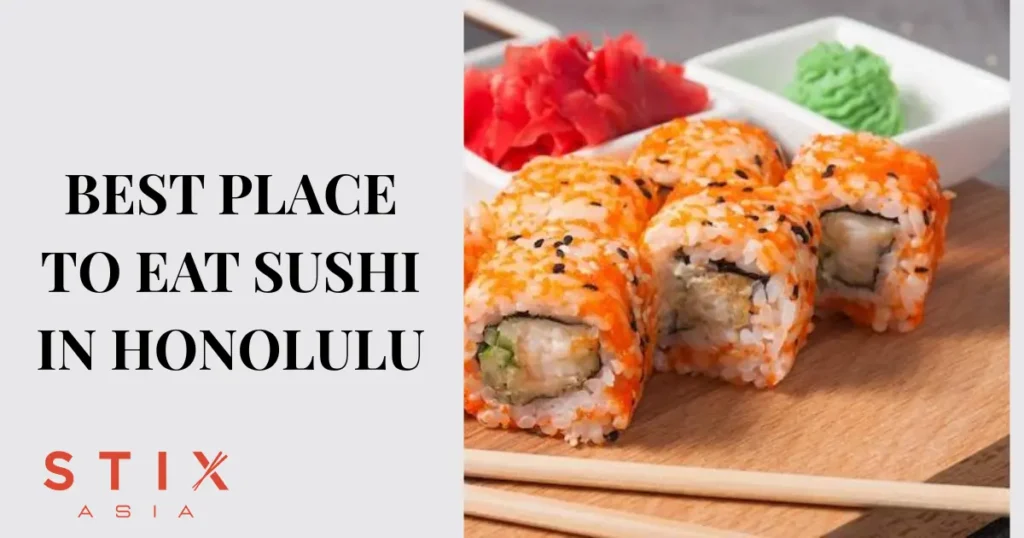
The most popular tobiko sushi roll. Imitation crab (kani), avocado, and cucumber on the inside, the entire outside coated in orange tobiko. This is the benchmark tobiko roll and the best starting point for beginners making sushi at home.
Salmon Sushi Rolls with Tobiko
Sashimi-grade salmon paired with tobiko is one of the most well-balanced combinations in sushi. The fatty richness of the salmon contrasts cleanly with the light, briny pop of the flying fish roe. Often finished with a touch of yuzu kosho inside for citrus heat.
Alaska Roll with Tobiko
Fresh or smoked salmon, cucumber, and avocado on the inside — rolled in a full coat of tobiko. Clean flavors, no heavy sauces. A favorite for people who want a straightforward, high-quality roll without distractions.
Dragon Roll with Tobiko
Eel (unagi) and avocado inside, topped with layers of avocado slices and red or orange tobiko on the outside. The tobiko coating gives it a “scaly” visual appearance that makes it one of the most dramatic-looking rolls on any sushi menu.
Spicy Kani Roll with Tobiko
Spicy shredded crab and cucumber inside, topped with black or wasabi tobiko. The wasabi tobiko adds a sharp secondary heat that amplifies the spice of the filling. Best for people who actively want a bold, fiery sushi experience.
Fish Eggs on California Roll
The classic combination, imitation crab, avocado, and cucumber inside a California roll, then finished with a generous coat of orange tobiko. This is the most ordered tobiko roll in American sushi restaurants and the most beginner-friendly to make at home.
How to Make Sushi Rolls with Tobiko at Home
Ingredients (1 Roll / 8 Pieces)
- 1 full-size nori sheet
- ¾ cup prepared sushi rice (seasoned with rice vinegar, sugar, salt)
- 1½ imitation crab sticks
- 3 slices ripe avocado
- 2 cucumber strips (seeds removed)
- 3–4 tablespoons orange tobiko
Instructions
Step 1: Prepare the rice. Cook short-grain sushi rice. While still hot, fold in a mixture of rice vinegar, sugar, and salt using a cutting motion. Fan the rice as you fold. The goal is rice that is just warm, lightly sticky, and evenly seasoned. Use exactly ¾ cup per roll — more makes the roll too thick to close cleanly.
Step 2: Set up your station. Wrap a bamboo mat in plastic wrap. Keep a bowl of vinegar water nearby to wet your hands throughout the process.
Step 3: Spread rice on nori. Lay the nori rough-side up on the mat. Wet your hands and spread rice evenly across the entire sheet — thin and consistent, right to the edges. Do not press hard or the rice compacts and loses its texture.
Step 4: Add tobiko and flip. Scatter tobiko evenly across the rice. Flip the nori over so the rice and tobiko face down on the mat. The nori now faces up.
Step 5: Add filling. Arrange crab sticks, avocado, and cucumber in a horizontal line about one inch from the near edge of the nori.
Step 6: Roll. Lift the near edge of the mat and roll forward firmly, tucking the filling in as you go. Apply even pressure across the full width. Seal the seam underneath. Tuck the two open ends in gently before removing the mat.
Step 7: Cut. This step is where most home attempts fail. Use a very sharp knife — a dull blade tears the tobiko coat and drags the filling out of position. Wet the blade and wipe it clean before every single cut. Cut the roll in half first, then each half into quarters to produce 8 equal pieces.
Step 8: Plate and serve immediately. Place on a dark plate the contrast between the dark surface and orange tobiko is what makes the roll look restaurant-quality. Serve with soy sauce, pickled ginger, and wasabi. Tobiko loses its crunch as rice moisture sets in, so eat within 20–30 minutes of cutting.
Are Sushi Fish Eggs Healthy?
Yes, in the portion sizes used in sushi rolls, tobiko is a nutritious ingredient. Flying fish roe is high in omega-3 fatty acids and protein, and relatively low in calories. Tobiko does contain cholesterol, but the small amounts used per roll fall well within recommended daily values for most people.
Final Summary
Sushi rolls with tobiko stand out because of one thing no other ingredient delivers the same way, that firm, satisfying pop of flying fish roe in every bite. Whether you order a classic tobiko California roll, a salmon roll with flying fish roe, or a dramatic Dragon roll, the tobiko is what makes the difference.
Making tobiko sushi at home is genuinely achievable. The technique is straightforward once you understand why each step matters: precise rice quantity, a sharp knife wiped between every cut, and tobiko applied by hand rather than rolled through a plate. Get those three things right, and the result is a roll that looks and tastes like it came from a proper sushi restaurant. At STIX ASIA, tobiko remains one of the most popular sushi ingredients because of the unique texture and visual appeal it brings to every roll.
Frequently Asked Questions
What sushi rolls have tobiko?
The most common tobiko rolls are the California roll, Alaska roll, Dragon roll, Spicy Kani roll, and salmon rolls with tobiko. Any uramaki (inside-out) roll can be coated in tobiko.
What are the orange eggs on sushi called?
The orange eggs on sushi are called tobiko, flying fish roe. They are sometimes confused with masago (capelin roe), which is smaller and milder in flavor.
Can I use masago instead of tobiko?
Yes. Masago and tobiko can be used interchangeably in home recipes. Masago is cheaper and more widely available, though the texture and flavor will be milder.
How is tobiko used in sushi?
Tobiko is most commonly rolled on the outside of inside-out sushi rolls, used as a topping on nigiri, or served in gunkan (battleship) sushi with a quail egg yolk on top.
Is tobiko raw fish eggs?
Tobiko is cured fish roe, not strictly raw. It is typically treated with salt and sometimes natural flavorings before packaging, which makes it safe to eat without further cooking.