
Udon and soba are traditional Japanese noodles that differ mainly in ingredients, texture, and flavor. Udon is thick, soft, and chewy, made from wheat flour with a mild, neutral taste, making it ideal for hot soups and rich broths. Soba is thin, firm, and made primarily from buckwheat flour, giving it a nutty, earthy flavor and making it popular for both hot and cold dishes.
Key Differences at a Glance
- Ingredients: Udon (wheat flour) vs Soba (buckwheat-based)
- Texture: Udon (thick & chewy) vs Soba (thin & firm)
- Flavor: Udon (neutral) vs Soba (nutty & earthy)
- Best Use: Udon (hot soups) vs Soba (cold or light broths)
- Health: Soba is generally higher in protein and fiber
Here’s the thing, though, these two noodles are not even close to the same. Different flour, different texture, different taste, different cooking rules. Let’s get into it.
What Is the Difference Between Udon and Soba Noodles?
The simplest way to put it udon is thick, white, and made from wheat flour. It has almost no flavor of its own, which is why it pairs well with various sauces in Japanese cuisine.
Soba is thin, brownish, and made mostly from buckwheat, which gives it that nutty, earthy taste that’s honestly unlike anything else.
That’s the core of it in understanding what’s the difference. Everything else, the texture, the nutrition, the dishes they work in all flows from that one difference in flour.
Udon Noodles: What You Need to Know
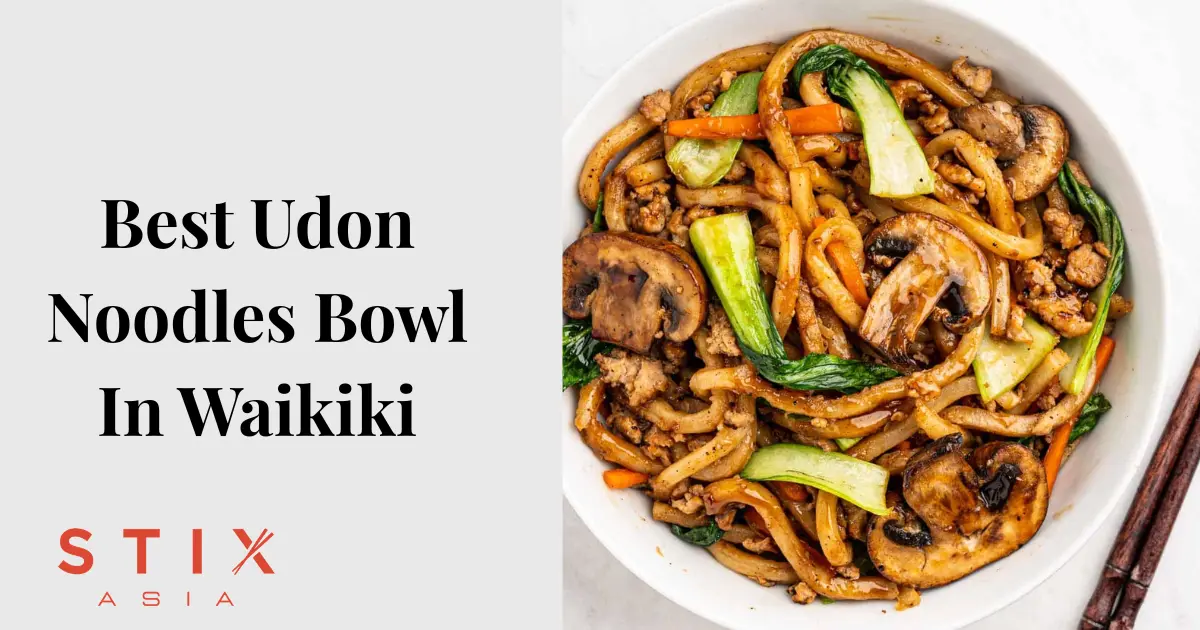
Udon (うどん) is one of those foods that’s almost impossible to dislike, especially when considering the option of udon or soba. The ingredients list is basically just wheat flour, salt, and water; nothing fancy, but somehow the result is this thick, glossy, deeply satisfying noodle dish with a chew that borders on addictive, especially when comparing soba and udon noodles.
In Japan, the texture is described using words like mochi mochi which means doughy and elastic, or koshi which refers to that firm springiness you get when you bite down. You push through, there’s resistance, then this pillowy give. It’s a whole experience.
Key things to know about udon at a glance
- Color: Creamy white to pale ivory
- Thickness: Among the thickest Japanese noodles, available both round and flat
- Texture: Soft, bouncy, and elastic
- Flavor: Mild and neutral, absorbs whatever broth or sauce it’s sitting in
- Cook time: Fresh or frozen takes 2 to 3 minutes, dried udon needs 7 to 10 minutes
Because udon has essentially no flavor of its own, it gets along with everything. Rich tonkotsu broth, sweet curry sauce, light dashi, and cold sesame dressing all work well with ramen noodles.
Popular udon dishes worth knowing
- Kake Udon: Hot noodles in a simple dashi broth with green onions, a classic example of udon or soba noodles.
- Kitsune Udon: Topped with sweetened fried tofu called aburaage
- Curry Udon: Thick Japanese curry poured over udon
- Yaki Udon: Stir-fried with vegetables and protein
- Zaru Udon: Served cold with dipping sauce
Soba Noodles: What You Need to Know
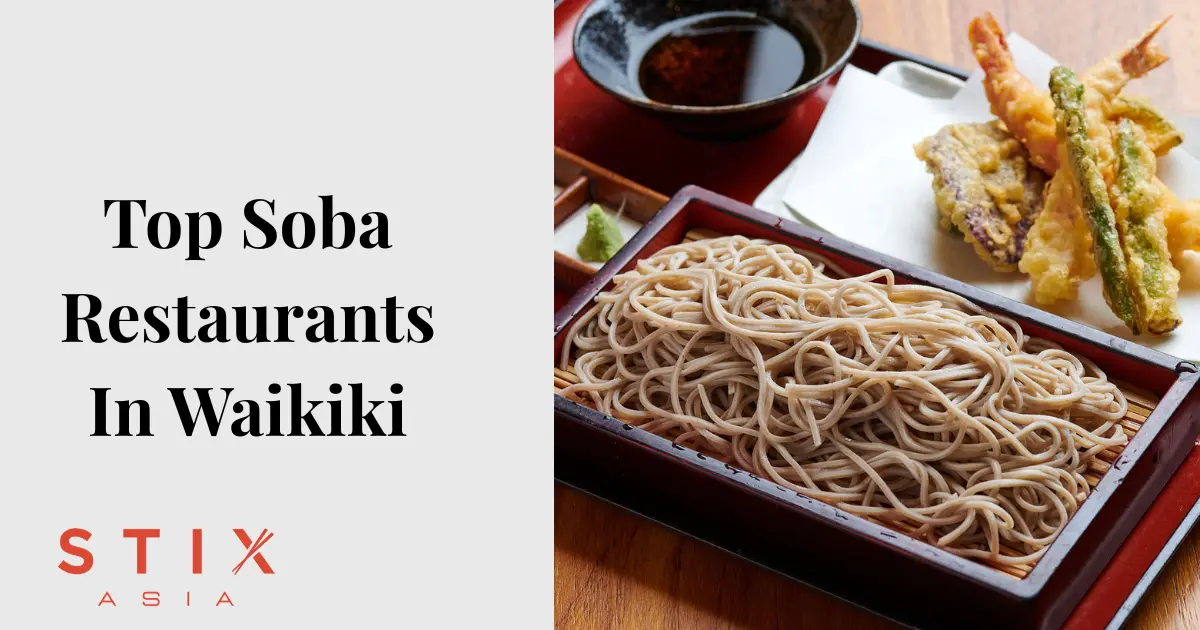
Soba (そば) is where things get more interesting, as it is thinner than udon. The word literally means buckwheat in Japanese, and that’s what sets it apart.
Buckwheat is not actually wheat it is a pseudo cereal seed, closer to rhubarb than grains. That difference completely changes the taste and texture.
Most soba sold in stores is a blend of buckwheat and wheat flour. Pure buckwheat soba is called Juwari Soba (十割そば). It is gluten free but more delicate and expensive.
Here’s what you’re working with when cooking soba
- Color: Light beige to gray brown, often with visible grain flecks
- Thickness: Thin, similar to spaghetti
- Texture: Firm, slightly dense, mildly grainy
- Flavor: Nutty, earthy, aromatic
- Cook time: Around 3 to 4 minutes, and it overcooks quickly
Popular soba dishes to try
- Zaru Soba: Cold soba with dipping sauce and nori
- Kake Soba: Hot soba in a light dashi broth
- Tempura Soba: Soba topped with crispy shrimp or vegetables
- Tanuki Soba: Topped with crunchy tempura bits
- Cold Soba Salad: With sesame dressing and vegetables
Pure 100% buckwheat soba exists, and it goes by the name Juwari Soba (å割ãã°). That version is completely gluten-free, but it’s also the most delicate and the most expensive.
Udon vs Soba Side-by-Side Comparison
| Feature: | Udon | Soba |
| Main Ingredient | Wheat flour | Buckwheat flour with some wheat is essential for authentic Japanese soba noodles. |
| Color | White or cream | Brown or gray beige |
| Thickness | Thick | Thin |
| Texture | Soft, chewy, bouncy | Firm, slightly grainy |
| Flavor | Mild, neutral flavors are often found in udon, contrasting with the nuttier profile of buckwheat noodles. | Nutty, earthy |
| Gluten Free | No | Only if 100 percent buckwheat Juwari soba vs udon noodles |
| Cook Time | 7 to 10 minutes dried | 3 to 4 minutes |
| Best Served | Hot soups and stir fries | Cold with dipping sauce or light broths |
| Calories per 100g cooked | About 105 kcal | About 99 to 113 kcal |
| Protein per serving | Around 3.5 to 6g | Around 6 to 8g |
| Fiber | Low | Higher due to buckwheat |
Taste What Does Each Noodle Actually Taste Like
Udon tastes like almost nothing, and that is genuinely its strength, especially when paired with soy sauce. It acts like a blank slate, much like how udon noodles are made to absorb flavors. Drop it in a rich miso broth, and it becomes rich. Serve it cold with sesame and ponzu and it takes on that entire flavor profile. The noodle stays in the background and lets everything else shine, whether it’s soba or udon.
Soba is the opposite. Even in a simple cold preparation with just noodles and dipping sauce, you immediately notice that earthy, nutty flavor from the buckwheat. High quality soba also has a subtle grain-like aroma that makes it very distinctive.
A simple rule that works well if the broth or sauce is the focus, choose udon. If you want the noodle itself to add flavor, go with soba.
How Do They Feel Different
Udon is smooth, thick, and springy in a very satisfying way. You bite in, feel some resistance, and then it gives way softly. Some regional styles take this further, making udon extra dense and chewy.
Soba has a finer, denser bite. Because buckwheat behaves differently from wheat, it can feel slightly grainy in a pleasant way. The more buckwheat used, the denser the noodle becomes. Adding more wheat makes it smoother and more elastic. The brand you choose can make a noticeable difference here, especially between soba and udon.
Ingredients: What Is Actually in Each One
- What goes into udon
- Wheat flour
- Water
- Salt
- Sometimes, potato starch for extra chewiness
What goes into soba
- Buckwheat flour called sobako
- Wheat flour as a binder, usually around 20 to 30 percent
- Water
- Juwari soba is made from 100 percent buckwheat and is gluten free
One important point buckwheat is not wheat. It comes from a completely different plant family. It is naturally gluten free and has a very different nutritional profile. However, most soba sold in stores still contains some wheat, so always check labels carefully if you need to avoid gluten.
Nutrition: Which One Is Better for You
Both noodles are low in fat and provide carbohydrates for energy. The main differences show up in protein, fiber, and nutrients.
- Soba nutrition per 100g cooked
- Calories around 113 kcal
- Protein about 6g
- Fiber higher than udon
- Key nutrients include manganese, magnesium, vitamin B1, and rutin
- Glycemic impact is lower, which means more stable energy
The rutin found in buckwheat supports heart health and acts as an antioxidant. Buckwheat also contains all essential amino acids, which is unusual for a noodle, making it a great choice for those who eat soba.
- Udon nutrition per 100g cooked
- Calories about 105 kcal
- Protein roughly 3.5 to 6g
- Fiber low
- Key nutrients include selenium, niacin, iron, and manganese
- Glycemic impact is higher, giving quicker energy
Where udon stands out is digestion. It is easier on the stomach and works well for people who need something light and simple, making it easy to digest.
The overall takeaway soba is slightly better in terms of nutrition due to higher protein, fiber, and micronutrients. However, a balanced udon meal with vegetables and protein can still be very healthy. What you add to the bowl matters more than the noodle itself.
How to Cook Each One
| Step | Udon | Soba |
| Boil Water | Bring a large pot of water to a boil. No salt needed | Bring a large pot of water to a boil |
| Add noodles, whether it’s dried udon noodles or soba, to enhance your dish. | Add dried udon or soba noodles for a quick meal option. | Add soba |
| Cook Time | 7 to 10 minutes for dried, 2 to 3 minutes for fresh or frozen | 3 to 4 minutes, watch closely |
| During Cooking | Stir occasionally | Watch carefully to avoid overcooking |
| Drain and Rinse | Drain and rinse under cold water to remove starch | Drain immediately and rinse thoroughly to prevent clumping |
| Conclusion | Add to broth, stir fry, or serve cold with dipping sauce | Serve cold with dipping sauce or add to hot broth before serving, especially if using fresh or frozen noodles. |
One interesting detail about soba is the cooking water called sobayu in Japanese. It is traditionally saved and consumed at the end of the meal. It contains nutrients that release from the noodles during cooking, especially rutin. Some restaurants even serve it in a small pitcher alongside the dish.
When to Choose Udon vs Soba
Choose udon when
- You are making a hearty and filling hot noodle soup, and want the broth to stand out with soba noodles served in a hot broth.
- You need something that absorbs flavor well in a stir fry or rich sauce.
- You are cooking for children or someone with a sensitive stomach, in which case soba noodles are made to be a gentler option.
- You want something comforting, simple, and reliable.
Choose soba when
- You want a lighter and more nutritious meal.
- You are serving noodles cold, especially in warm weather.
- You want the noodle itself to contribute flavor to the dish.
- You are trying to eat more mindfully with better nutritional balance.
- You enjoy earthy and complex flavors often found in Japanese cuisine.
Udon vs Soba: The Regional Divide in Japan
The difference between udon and soba is not just about taste. It also reflects regional preferences across Japan.
Tokyo and the Kanto region have traditionally favored soba. The soil there is better suited for growing buckwheat, which made soba the natural staple. The broths developed in this region are darker, richer, and more intense, designed to complement soba’s strong flavor.
Osaka and the Kansai region are known for udon. Wheat cultivation and trade made udon more common here. Kansai style broth is lighter, clearer, and more delicate, allowing the texture of the noodles to stand out.
Kagawa prefecture, historically known as Sanuki, is widely considered the home of udon. Sanuki udon is famous for its dense texture and strong chew, which sets it apart from buckwheat noodles. People often travel there specifically to experience it
Which One Should You Pick
There is no wrong answer here. Both udon and soba are widely loved for good reason, and they are often used interchangeably in noodle shops.
Choose udon when you want something filling, versatile, and comforting. It works in almost any noodle dish and appeals to nearly everyone, whether they prefer udon or use soba noodles.
Choose soba when you want something lighter, more nutritious, and more flavorful. It works especially well in cold dishes and when you want the noodle itself to stand out.
The best approach is simple. Try both. Start with a hot bowl of udon, then try cold soba on a warm day. Once you experience them in their ideal settings, the choice becomes much easier and depends on what you feel like eating.
Frequently Asked Questions
Are udon and soba noodles interchangeable?
In a pinch, yes, especially when noodles are a convenient option. Both can be served hot in broth or cold with a dipping sauce. However, swapping one for the other changes the dish noticeably, particularly when considering the chewy texture of udon. Udon makes meals heartier and more neutral, while soba makes them lighter and adds a nutty, earthy flavor. They can be used in similar ways, but the results are quite different when you compare ramen vs udon.
Which is healthier, udon or soba?
Soba generally comes out ahead nutritionally. Buckwheat flour provides more protein, more fiber, and a stronger micronutrient profile compared to refined wheat flour used in udon. That said, a well prepared udon bowl with vegetables and protein can still be a very healthy meal. The overall dish matters more than the noodle alone, but the choice between soba and udon can influence the final flavor.
Does soba taste like buckwheat pancakes?
To some extent, yes. If you enjoy buckwheat pancakes or crepes, you will likely enjoy soba noodles as well. They share the same earthy, slightly sweet, nutty flavor. If you prefer a completely neutral taste, udon is the better choice.
Is udon or soba better for weight loss?
Soba has a slight advantage. Its higher fiber content helps keep you full longer, and its lower glycemic impact provides more stable energy. It also contains more protein. However, portion size and toppings have a much bigger impact than the type of noodle you choose.
Can I use udon noodles instead of soba?
You can, but the dish will feel different. Udon creates a heavier, more filling meal with a neutral taste, while soba can be enjoyed hot and cold. Soba creates a lighter dish with a more distinct flavor, making it a popular choice for chilled noodles. The difference is especially noticeable in cold dishes.
How do I store leftover udon and soba noodles?
Both can be stored in the refrigerator for up to three days in a sealed container. Adding a small amount of neutral oil helps prevent sticking. Udon reheats well in hot broth or boiling water, making it perfect for a comforting bowl of hot soup. Soba is best eaten fresh because it tends to soften and clump when stored. Dried versions of both noodles can be kept for months in a cool, dry place.