
Unlike a standard food court, a Japanese food hall creates a curated culinary experience where multiple specialty kitchens operate under one roof. In Honolulu, this style of dining reflects Hawaii’s deep cultural ties with Japan and the broader Asian-Pacific region. From handcrafted sushi to Osaka-style street food, the best Asian food Waikiki locations offer variety, convenience, and authentic flavor in a social atmosphere that appeals to both locals and visitors.
Why Japanese Food Halls Are Growing in Waikiki
Japanese cuisine has long influenced Hawaii’s food culture. Generations of Japanese immigrants helped shape local dishes, dining traditions, and even Hawaii’s casual food scene. Today, Japanese food courts and Asian food halls continue that legacy by offering diverse menus in one convenient destination.
For visitors staying in Waikiki, food halls solve a common travel challenge: finding quality dining that satisfies different tastes without requiring multiple reservations or expensive fine dining experiences. One person may want ramen while another prefers sushi or Korean barbecue. A Japanese food hall allows everyone to order independently while dining together.
The concept also fits modern travel habits. Many tourists prioritize:
- Fast but high-quality meals
- Instagram-worthy food experiences
- Late-night dining options
- Variety without sacrificing authenticity
- Convenient locations near hotels and beaches
Waikiki’s evolving food hall culture delivers on all of those expectations. Explore more about the vibrant Waikiki food scene and how it shapes modern Asian dining culture at STIX ASIA.
What Makes a Japanese Food Court Different From a Traditional Food Court
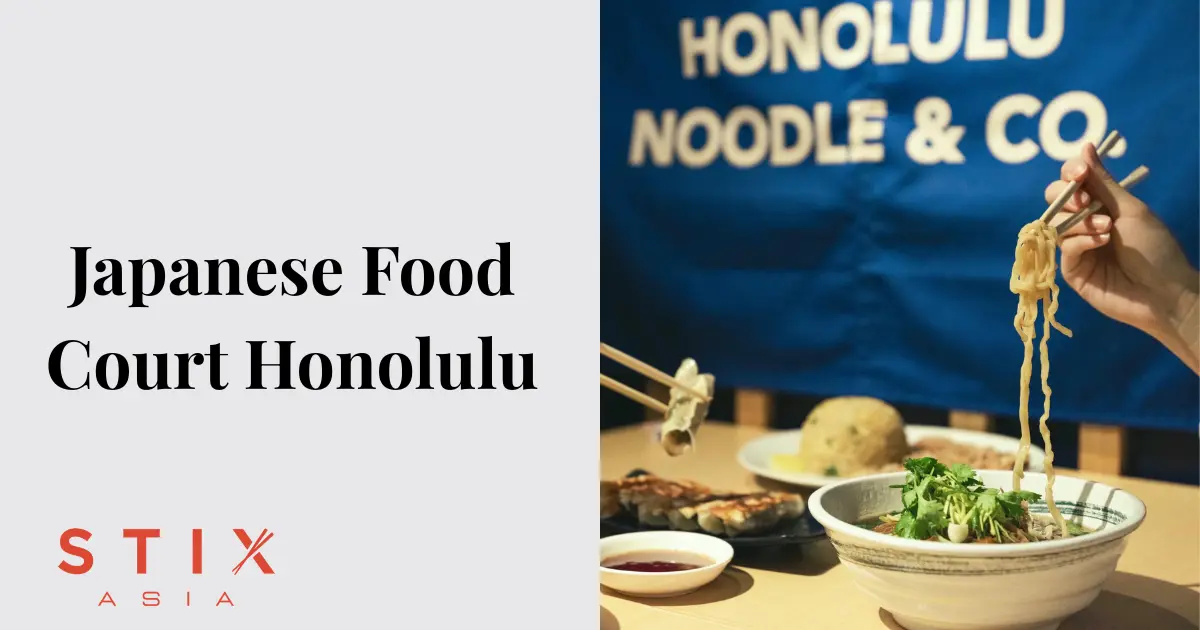
Many travelers picture a typical mall food court when they hear the phrase “food court Honolulu.” In reality, modern Japanese food halls offer a far more curated experience.
Traditional Food Courts
- Fast-service chain restaurants
- Limited regional authenticity
- Basic seating layouts
- Generic menus
- Minimal atmosphere
Japanese Food Halls
- Specialty kitchens focused on individual dishes
- Authentic Japanese cooking techniques
- Curated interiors inspired by Tokyo alleyways and markets
- High-quality ingredients
- Social dining environment
- Rotating culinary concepts and seasonal menus
The atmosphere often resembles Japanese depachika food markets found in Tokyo and Osaka rather than standard commercial food courts.
According to Wikipedia’s overview of Japanese cuisine, Japanese dining culture emphasizes seasonality, ingredient quality, and presentation. These principles increasingly shape Waikiki food hall concepts as well.
The Rise of Asian Food Waikiki Dining Experiences
Waikiki dining has expanded far beyond traditional Hawaiian plate lunches and resort restaurants. Travelers now actively seek multicultural dining experiences, especially Asian food Honolulu visitors cannot easily find elsewhere.
Several factors contribute to this trend:
Hawaii’s Cultural Diversity
Hawaii’s food culture blends Japanese, Korean, Chinese, Filipino, Hawaiian, and Southeast Asian influences. Food halls naturally reflect this diversity.
Social Dining Trends
Communal dining encourages exploration. Groups can sample multiple cuisines in one meal, making food halls ideal for shared experiences.
Tourism Expectations
Modern travelers increasingly prioritize local culinary experiences. Food-focused tourism continues to grow globally, especially in destinations with strong multicultural food identities.
According to the Hawaii Tourism Authority, food and cultural experiences remain among the top reasons travelers choose Hawaii vacations.
Signature Dishes Found in the Best Japanese Food Hall Waikiki Destinations
The best Japanese food court Waikiki experiences usually combine traditional classics with contemporary street food trends.
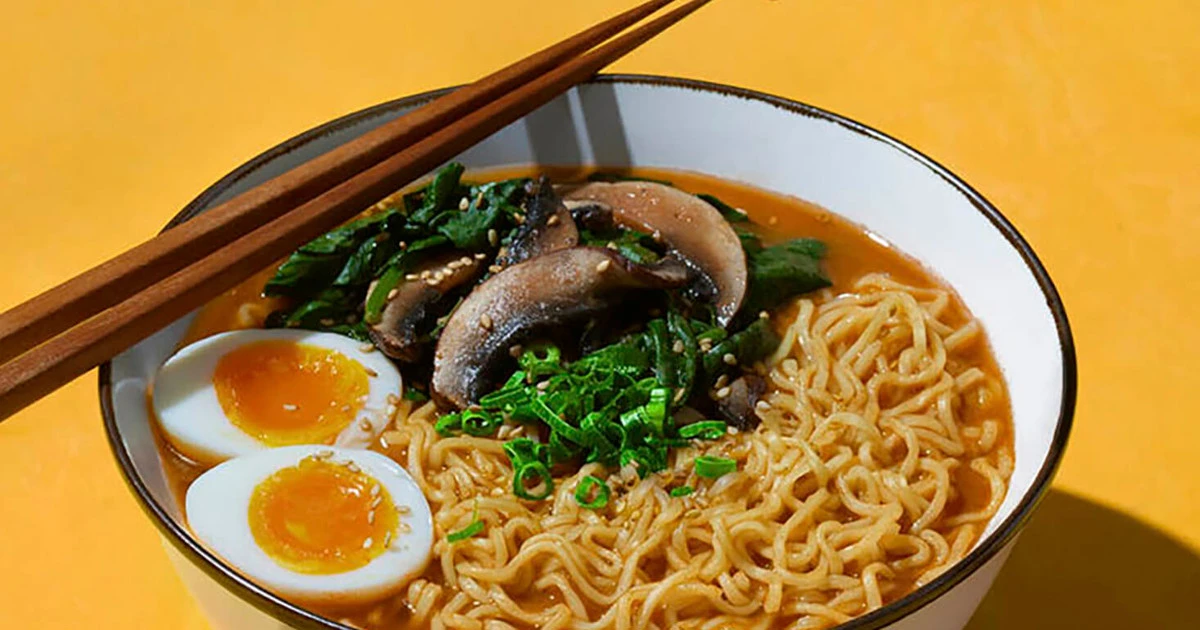
Ramen
Authentic ramen remains one of the biggest attractions in any Japanese food hall. Visitors often look for:
- Tonkotsu broth
- Shoyu ramen
- Spicy miso ramen
- Tsukemen dipping noodles
- House-made noodles
- Slow-simmered broths
Sushi and Hand Rolls
Fresh seafood access gives Honolulu an advantage when it comes to sushi quality. Popular items include:
- Nigiri
- Sashimi
- Specialty hand rolls
- Chirashi bowls
- Aburi-style sushi
Explore a deeper sushi dining experience inspired by authentic Japanese craftsmanship and presentation.
Yakitori
Charcoal-grilled skewers bring classic Japanese izakaya culture into the food hall environment.
Common options include:
- Chicken thigh
- Pork belly
- Wagyu beef
- Shiitake mushrooms
- Shishito peppers
Japanese Curry
Comfort-food favorites continue to attract families and casual diners.
Popular styles include:
- Katsu curry
- Beef curry rice
- Curry udon
Japanese Street Food
Modern food halls often showcase regional specialties such as:
- Takoyaki
- Okonomiyaki
- Karaage chicken
- Taiyaki desserts
Discover the most popular Japanese dishes that define authentic Asian dining culture in modern food halls.
Why Food Halls Appeal to Families and Groups
One of the biggest advantages of a Waikiki food hall is flexibility.
Families often struggle to choose restaurants that satisfy everyone. Food halls eliminate that issue by offering multiple cuisines in one shared space.
Benefits for Groups
| Advantage | Why It Matters |
| Variety | Everyone orders what they want |
| Speed | Faster service than full-service restaurants |
| Flexible budgets | Affordable and premium options coexist |
| Casual atmosphere | Ideal for children and large groups |
| Social environment | Shared seating encourages interaction |
This flexibility also benefits travelers with dietary restrictions.
Many modern Asian restaurants Waikiki visitors search for now include:
- Vegetarian dishes
- Vegan ramen
- Gluten-conscious options
- Seafood-heavy menus
- Rice-based dishes
The Connection Between Japanese Food Culture and Hawaii
Japanese cuisine became deeply rooted in Hawaii during the late 19th and early 20th centuries when Japanese immigrants arrived to work on sugar plantations.
Today, Japanese influence appears across Hawaii’s culinary landscape:
- Bento culture
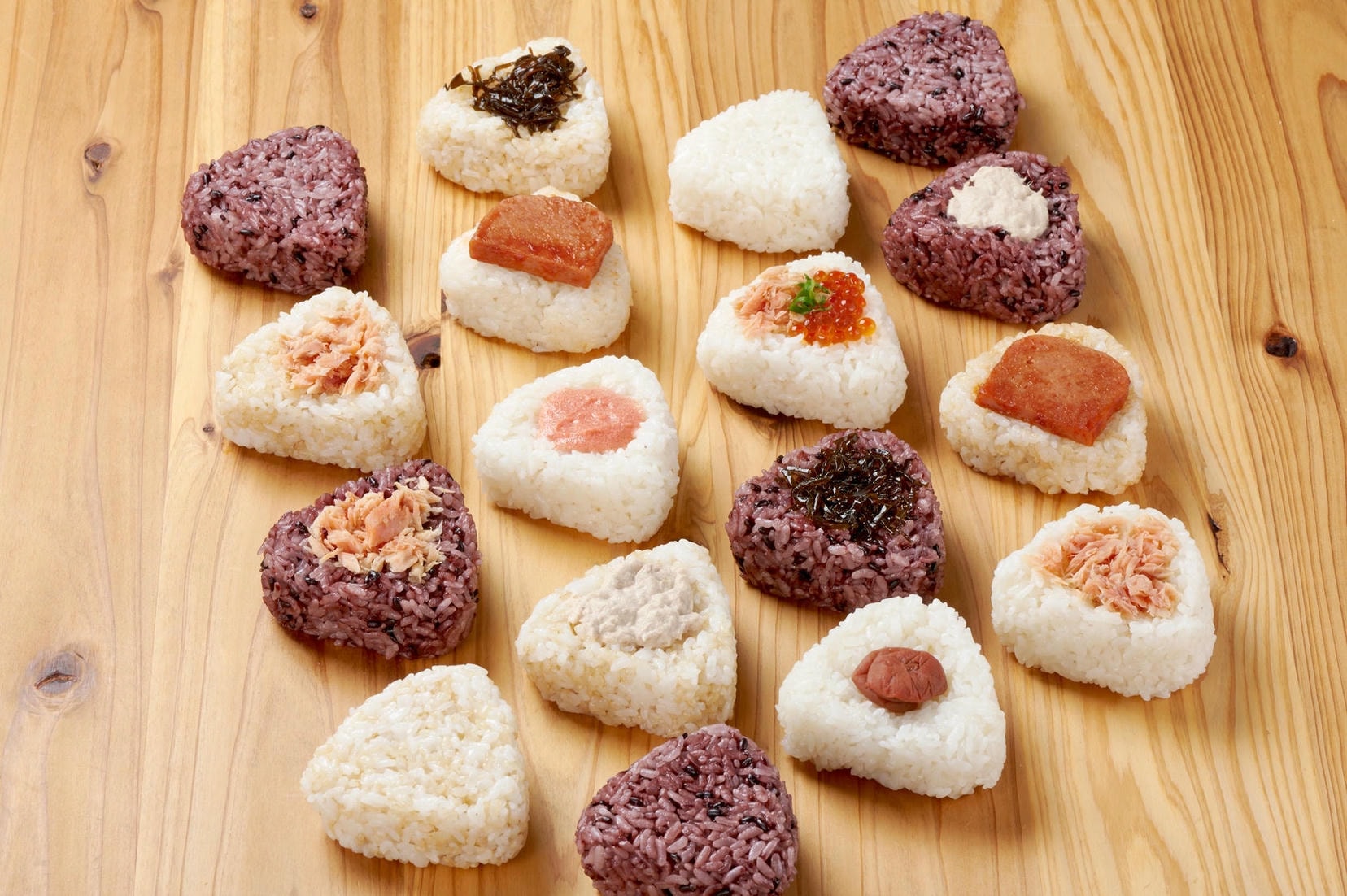
- Musubi
- Local-style curry
- Ramen shops
- Mochi desserts
- Seafood preparation styles
The University of Hawaii has documented the strong cultural impact Japanese immigration had on Hawaii’s communities and food traditions through multiple historical studies available via the University of Hawaiʻi system.
That history helps explain why authentic Japanese food halls feel naturally integrated into Honolulu rather than imported trends.
What Food Lovers Look for in the Best Asian Food Waikiki Destinations
Modern diners expect more than just flavor. The most successful food hall Honolulu concepts combine culinary quality with atmosphere, convenience, and visual appeal.
Authenticity
Travelers increasingly recognize authentic preparation techniques and regional specialties.
Atmosphere
Japanese-inspired interiors often feature:
- Lantern lighting
- Open kitchens
- Neon signage
- Shared communal seating
- Tokyo alley-inspired aesthetics
Fresh Ingredients
Hawaii’s seafood access enhances sushi and poke quality while supporting premium Japanese seafood dishes.
Social Media Appeal
Food presentation matters more than ever. Colorful ramen bowls, sushi platters, and matcha desserts perform especially well on social platforms.
Accessibility
Tourists staying near Waikiki hotels value walkable dining options with broad operating hours.
Popular Dining Styles Inside a Japanese Food Hall
Different food concepts within the same venue create layered dining experiences.
Quick Grab-and-Go
Ideal for beachgoers or tourists between activities.
Casual Sit-Down Meals
Comfortable communal seating encourages relaxed group dining.
Late-Night Dining
Many food halls attract nightlife crowds looking for ramen or small plates after evening activities.
Dessert and Café Culture
Japanese cafés and dessert counters often include:
- Matcha soft serve
- Mochi donuts
- Japanese cheesecakes
- Kakigori shaved ice
How Food Halls Compete With Traditional Restaurants
Food halls have become major competitors to standalone restaurants in Waikiki.
Advantages of Food Halls
| Food Hall Benefit | Traditional Restaurant Limitation |
| Multiple cuisines | Single-menu limitation |
| Flexible ordering | Everyone eats the same cuisine |
| Faster service | Longer dining times |
| Casual experience | Reservation requirements |
| Variety in one location | Multiple stops required |
However, high-end restaurants still dominate for:
- Formal dining
- Romantic experiences
- Full-service hospitality
- Tasting menus
Food halls instead excel in convenience, variety, and social energy.
The Evolution of Honolulu Food Courts
The phrase “Honolulu food court” once referred mainly to shopping centers. Today, the concept has evolved into destination dining.
Modern food halls focus on:
- Chef-driven menus
- Curated vendor selections
- Interior design
- Cultural authenticity
- Entertainment and nightlife
This mirrors global food hall trends seen in Tokyo, Singapore, New York, and Los Angeles.
Pro Tips for Visiting a Waikiki Food Hall
Visit During Off-Peak Hours
Lunch and dinner rush periods can become crowded, especially near beachfront districts.
Explore Beyond Sushi
Try regional dishes like:
- Hokkaido ramen
- Osaka street snacks
- Japanese curry
- Specialty donburi bowls
Share Multiple Dishes
Food halls are ideal for sampling.
Look for Seasonal Menus
Japanese cuisine heavily emphasizes seasonal ingredients and limited-time offerings.
Pair Meals With Japanese Desserts
Matcha and mochi-based desserts balance savory dishes well.
What Tourists Often Search for Before Choosing a Food Hall
Travelers researching Japanese food hall Waikiki destinations typically prioritize:
- Walking distance from hotels
- Late-night availability
- Family-friendly seating
- Menu diversity
- Price range
- Social media photos
- Indoor air-conditioned seating
- Group-friendly layouts
These practical factors often influence decisions more than formal restaurant rankings.
The Growing Popularity of Asian Food Halls Nationwide
Waikiki’s food hall trend reflects a larger shift happening across the United States.
Consumers increasingly prefer:
- Experiential dining
- Flexible group meals
- International cuisine
- Authentic regional foods
- Casual premium dining
Japanese and Asian food halls combine all of those elements in one format.
Why Waikiki Is an Ideal Location for a Japanese Food Hall
Waikiki’s tourism density makes it uniquely suited for food hall culture.
Walkability
Most visitors explore Waikiki on foot.
Diverse Travelers
International visitors often seek familiar Asian cuisine while American travelers seek cultural food experiences.
Nightlife
Food halls complement Waikiki’s evening entertainment scene.
Weather
Indoor dining offers relief from heat and humidity without sacrificing atmosphere.
The Future of Japanese Food Hall Dining in Honolulu
The Japanese food hall concept continues to evolve as diners seek authenticity, convenience, and immersive culinary experiences. In Waikiki, food halls bridge the gap between casual dining and destination-worthy food culture by bringing together ramen counters, sushi bars, Japanese street food, desserts, and Asian-inspired flavors under one roof.
For tourists, it creates an efficient way to experience multiple cuisines during a single visit. For locals, it offers a social dining atmosphere with variety and accessibility. As Honolulu’s culinary landscape grows increasingly global, the demand for high-quality Asian food court Waikiki destinations will likely continue expanding.
The modern Japanese food court is no longer just a convenient place to eat. In Waikiki, it has become part of the overall travel experience — combining culture, community, atmosphere, and authentic flavor in one dynamic dining environment.
Frequently Asked Questions
What is a Japanese food court?
A Japanese food court is a dining space featuring multiple Japanese or Asian specialty food vendors operating within one communal environment. Unlike traditional mall food courts, these spaces focus on authentic cuisine, curated design, and social dining experiences.
What foods are typically served in a Japanese food hall?
Common offerings include ramen, sushi, yakitori, tempura, curry rice, takoyaki, udon, matcha desserts, and Japanese street food specialties.
Why are food halls popular in Waikiki?
Waikiki attracts diverse travelers and large groups with different dining preferences. Food halls offer convenience, variety, and walkable dining options near hotels and attractions.
Is a Waikiki food hall good for families?
Yes. Families benefit from flexible seating, multiple cuisine choices, fast ordering, and casual dining environments suitable for children and groups.
Are Japanese food courts expensive?
Pricing varies. Most food halls offer a mix of affordable casual meals and premium specialty dishes, allowing visitors to choose according to budget.