
But spend any real time in Japan, or just talk to someone who has, and ramen enters the conversation almost immediately. Sometimes, before sushi does. And once you’re past those two, the list just keeps going: udon, soba, tempura, matcha everything. It doesn’t really end.
Japanese cuisine isn’t organized around one signature dish the way some food cultures are. It’s more like a whole system, flavors and textures, and small rituals that have developed over centuries, each with its own logic and its own devoted followers.
Why Japanese Food Has Taken Over the World
There’s a reason traditional Japanese cuisine holds UNESCO Intangible Cultural Heritage status. The cooking is built on principles that other food cultures talk about but rarely pull off at this level: balance, restraint, umami-forward broths, fish cut so thin it’s almost translucent, ingredients chosen by season and prepared with the kind of patience that borders on obsessive.
Walk into any major city on earth right now and you’ll find a ramen shop or a sushi counter within a few blocks. Japan has over 150,000 ramen restaurants nationally. Tokyo holds more Michelin stars than Paris and New York combined. That kind of global reach doesn’t happen by accident. It happens because the food is genuinely extraordinary.
So what are the actual top 5 Japanese foods driving all this obsession? Here’s a proper breakdown, including where you can try the real thing without getting on a plane.
Top 5 Most Popular Foods in Japan
1. Sushi – Japan’s Most Famous Food
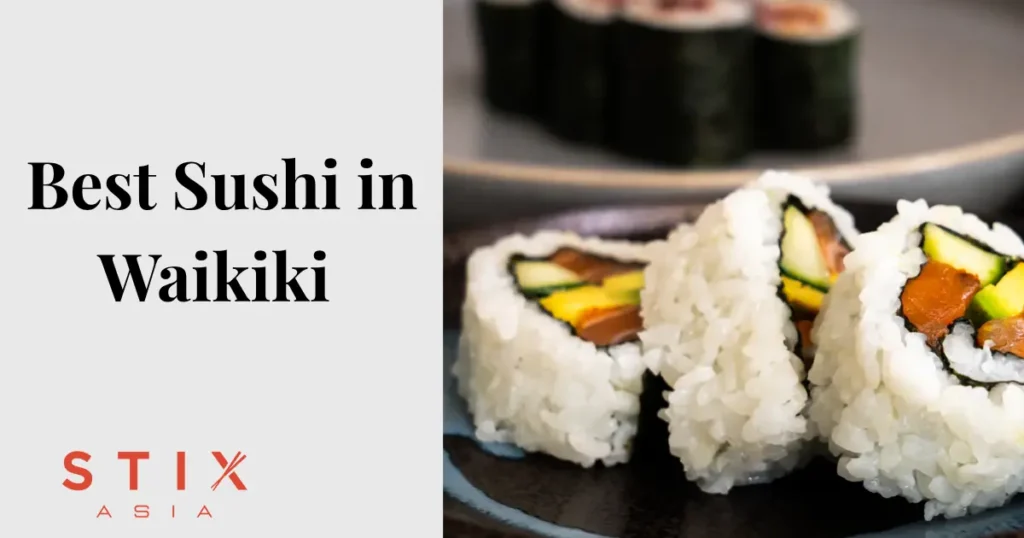
Ask anyone what the most famous food in Japan is. The answer is almost always sushi, and the dish has earned that reputation over a very long time.
Sushi goes back to the Edo period, when it was street food eaten standing up near Tokyo Bay. Vinegared rice, fresh fish, done. The whole concept was fast and simple and completely brilliant in its efficiency. Today the same basic idea runs from $2 conveyor-belt bites to $500 omakase experiences where the chef is making individual decisions about each piece based on what came off the fishing boat that morning.
The format has changed quite a bit. The philosophy hasn’t. The fish has to be fresh. The rice has to be seasoned exactly right. The ratio matters more than most people realize.
Common types you’ll encounter: nigiri (hand-pressed rice with fish on top), maki (rolled in nori and sliced into rounds), and sashimi (just the fish, no rice, served with wasabi and soy).
Where to Try It
At Sushi Matsuri, the concept pulls from Setouchi, Japan, using fresh seafood and local ingredients for authentic nigiri and maki. The Matsuri Makanai Bowl with Miso Soup is a standout lunch order that’s genuinely worth going out of your way for.
2. Ramen – The Dish That Broke the Internet (And Won a Michelin Star)
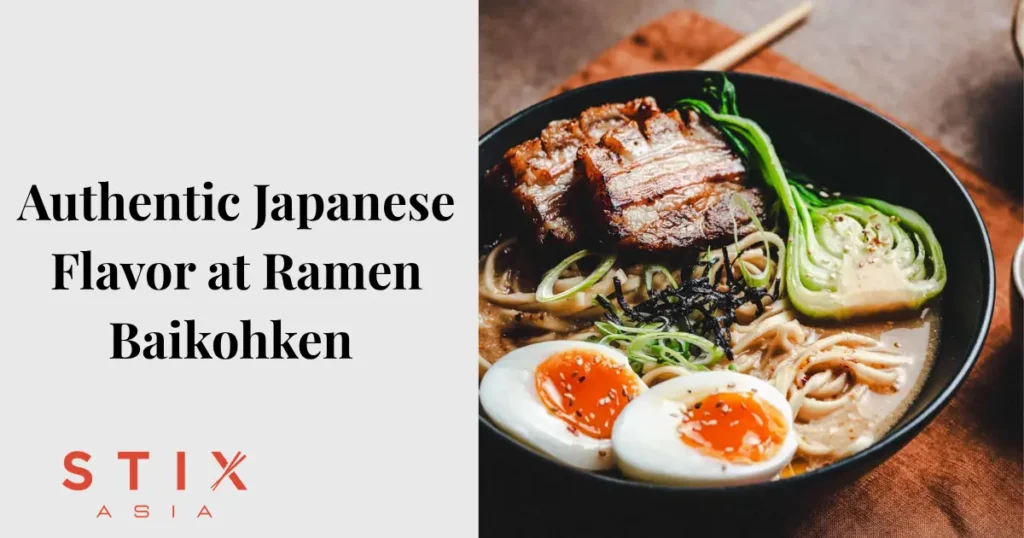
Ramen is arguably the most popular food in Japan by daily consumption. It’s warm and filling and deeply savory, and every region of Japan does it differently enough that you could eat ramen every day for a week and not repeat yourself once.
Tonkotsu from Fukuoka is creamy pork bone broth, rich and fatty and completely unapologetic about it. Shoyu from Tokyo runs lighter and clearer, soy-based and more delicate. Miso from Sapporo uses fermented paste and often gets topped with corn and a pat of butter. Shio from Hakodate is salt-based and the most subtle of the four regional styles.
What most people don’t realize is that great ramen is mostly about the broth. The noodles matter, the toppings matter, but the broth can take hours or even days to prepare properly. The noodle firmness, the tare seasoning, the aroma oil added at the end, every single element is deliberate.
Where to Try It
Ramen Baikohken is the Michelin Guide-listed shop from Asahikawa, Hokkaido, in operation since 1969. Their shoyu broth is the real version of what that style is supposed to taste like. The miso gets a pat of butter added, which sounds like a strange call until you try it. Noodles are made locally.
Ramen Bario brings a different energy entirely, bold and punchy and deeply satisfying in a way that’s easier to experience than to describe.
Either one will tell you exactly why ramen became the global phenomenon it is today.
3. Tempura – Light, Crispy, and Completely Addictive
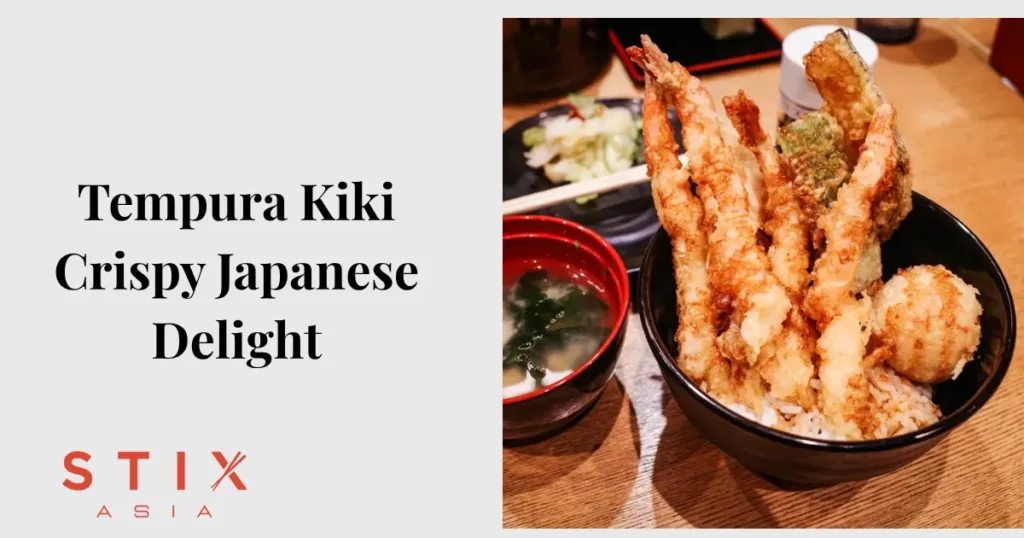
Tempura looks deceptively simple. It isn’t.
The batter has to be cold, almost ice cold, and mixed minimally so it stays lumpy and uneven. The oil temperature has to be precise. The goal isn’t deep frying in the traditional sense. It’s barely coating the ingredient so it cooks in seconds, stays crisp, and picks up zero grease. Done right, tempura shrimp shatters when you bite into it.
Portuguese traders introduced the technique to Japan in the 16th century and it became the favorite dish of the first Edo shogun. It’s been refined by Japanese cooks ever since. Popular ingredients include ebi shrimp, sweet potato, pumpkin, green beans, shishito peppers, white fish, and squid.
Where to Try It
Tempura Kiki dedicates itself entirely to this craft. Premium ingredients, precise technique, and that signature light batter that separates good tempura from genuinely extraordinary tempura. Their Kiki Tendon, which is tempura served over rice, is a must-order.
4. Udon – Japan’s Most Comforting Noodle
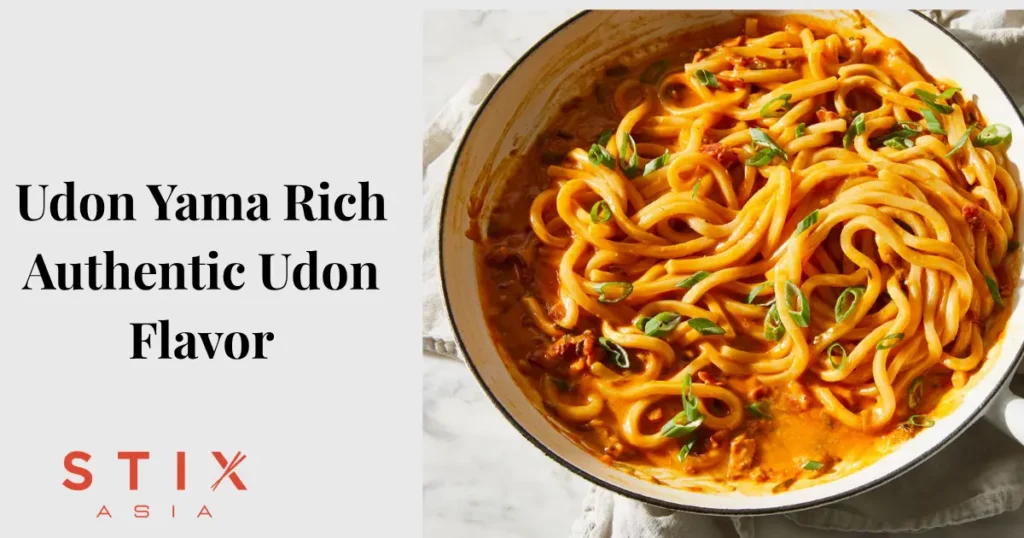
By some counts, udon is actually Japan’s most-consumed noodle, edging out even ramen. It’s thick and white and made from just three ingredients: flour, water, and salt. That simplicity is entirely the point.
A good bowl of udon lets the broth carry the whole experience. Dashi made from kombu and bonito, poured hot over freshly made noodles, is one of the most quietly satisfying things you can eat. The Sanuki style from Kagawa prefecture is particularly well regarded, with square edges, flat sides, and a chew that becomes a reference point once you’ve had it. In Kagawa, Sanuki udon is a regional pride thing on par with what Neapolitan pizza means in Naples.
Where to Try It
Udon Yama makes their Sanuki udon noodles by hand, every day, using a family recipe. The lemon udon, served chilled, is a surprisingly refreshing option that shows just how versatile the dish can be beyond its comfort food reputation.
Shingen also offers soba noodles made in Hawaii using buckwheat flour imported directly from Hokkaido. Traditional foods from Japan done with full provenance and no shortcuts.
5. Matcha Sweets – Japan’s Obsession You Need to Experience
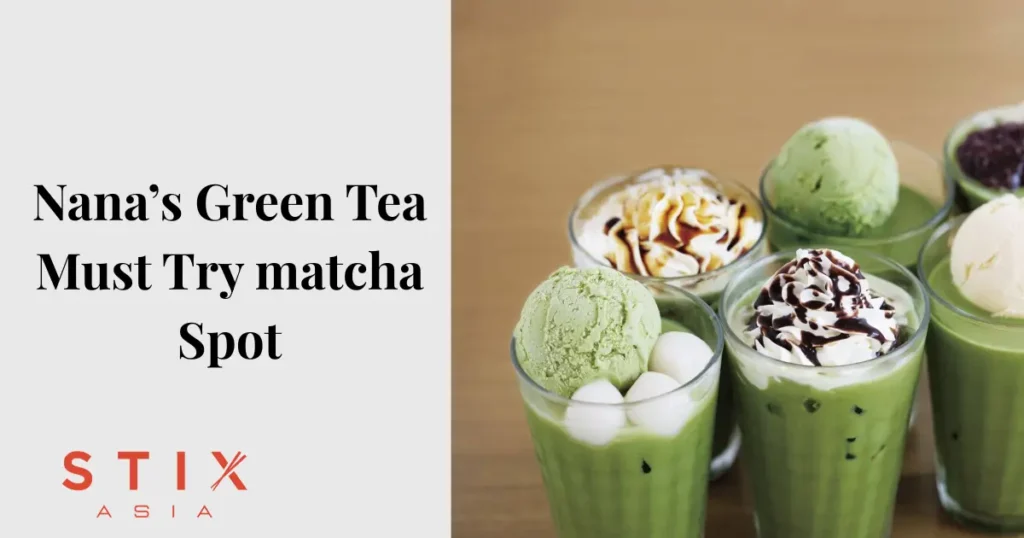
Matcha is not a trend in Japan. It has been woven into the culture for centuries through the tea ceremony, and what you find in Japanese cafes and dessert shops reflects that depth in ways a Starbucks matcha latte simply cannot.
Traditional Japanese sweets, called wagashi, paired with matcha are a genuine ritual. The flavor itself is intense, slightly bitter, deeply aromatic, and it builds an almost addictive quality once you’ve had the real ceremonial-grade version.
Where to Try It
Nana’s Green Tea holds the top position among Japan’s cafe chains and their matcha soft serve, optionally swirled with vanilla or hojicha (roasted green tea) and topped with kinako mochi, has a following that’s genuinely hard to overstate. It’s the kind of thing you photograph before eating and then immediately wish you had ordered a second.
Ao Gelato uses premium matcha alongside tropical fruits to create gelato that bridges Japanese and Hawaiian flavors in a way that feels entirely its own.
More Traditional Japanese Foods Worth Knowing
Talking about popular foods in Japan properly means going beyond just the top five. A few more that deserve their own mention:
Musubi (Onigiri): Rice balls wrapped in nori, filled with salmon, pickled plum, or tuna mayo. Japan’s ultimate convenience food is elevated significantly when made with real care. Nana Musubi handles these with the kind of craft the dish deserves.
Wagyu and Yakiniku: Japanese BBQ centered on premium beef, including A5 wagyu that literally melts on contact with your tongue. Nabe Aina serves A5 wagyu alongside traditional Japanese hot pot (nabe), one of the more genuinely luxurious combinations available anywhere on the menu.
Soba: Buckwheat noodles, thinner than udon, served either hot in broth or cold with a dipping sauce on the side. Some of the most interesting food in Japan is the quieter stuff, and soba fits that description perfectly. It’s been part of Japanese food culture since the Edo period and has a simplicity that reveals exactly how good the technique is. Shingen at STIX ASIA uses flour imported directly from Hokkaido.
What Is the Most Famous Food in Japan? Our Verdict
Globally, sushi holds the crown. Among locals, ramen is the people’s champion. But trying to pick just one is a bit like arguing which part of traditional Japanese cuisine is the most worth understanding. The honest answer is that it’s all connected.
A steaming bowl of tonkotsu at midnight. Crispy tempura dipped in light tsuyu. A matcha parfait on a Tuesday afternoon. Every single dish has a history, a technique, and a culture behind it that took centuries to develop into what it is today.
That’s what separates this cuisine from almost everything else.
Taste It All Without Flying to Tokyo
No need to dream about flying to Tokyo to experience Japanese cuisine at its best, STIX ASIA is mini Japan itself. It has 17 authentic Asian dining concepts under one roof, yes, you heard that right.
Michelin-listed ramen, handmade udon, fresh sushi, Nana’s matcha soft serve, you think of it, and it’s here. It’s an entire Asian street market experience, but in Waikiki.
So it really doesn’t matter if you’re a first-time Japanese food explorer or someone who grew up eating soba every week, because there’s sure to be something new for you here too. Drop in at STIX ASIA and let the true Japanese food journey begin.
Frequently Asked Questions
What is the most popular food in Japan?
Sushi is the most globally recognized, but ramen edges it out in terms of daily domestic consumption. Both sit at the top of any honest list of popular foods in Japan.
What are the top 5 Japanese foods?
Sushi, ramen, tempura, udon, and matcha-based sweets consistently rank as the top 5 Japanese foods across food guides and traveler surveys worldwide.
What is the most famous food in Japan for tourists?
Ramen and sushi are effectively tied for first among visitors. Tempura is a consistent third.
What makes traditional Japanese cuisine unique?
The emphasis on umami, seasonal ingredients, precise technique, and restrained presentation sets it apart from most other food cultures. UNESCO’s Intangible Cultural Heritage recognition reflects exactly that.
Where can I try authentic traditional Japanese food in the US?
STIX ASIA in Waikiki, Honolulu brings together over 17 authentic Asian food concepts under one roof, including Michelin-rated ramen, fresh sushi, handmade udon, and Japanese sweets, all in one place.