
For first-time sushi diners, understanding the names and characteristics of each style can make ordering much easier. Some varieties focus on the fish, while others highlight seasoned rice, seaweed, vegetables, sauces, or toppings.
At STIX ASIA, guests can explore a variety of Asian flavors in a food hall setting, making it a convenient destination for discovering different dishes and dining styles.
Here are some of the most popular types of sushi and what makes each one different.
What Is Sushi?
Sushi is a Japanese dish centered around specially seasoned rice, usually prepared with vinegar, sugar, and salt. Depending on the style, the rice may be paired with raw or cooked seafood, vegetables, egg, tofu, or other ingredients.
One common misconception is that sushi always means raw fish. It does not. Sushi can contain cooked seafood, vegetables, or other ingredients, and some popular varieties contain no fish at all.
The defining feature is the seasoned sushi rice and the way it is combined with other ingredients.
1. Nigiri Sushi
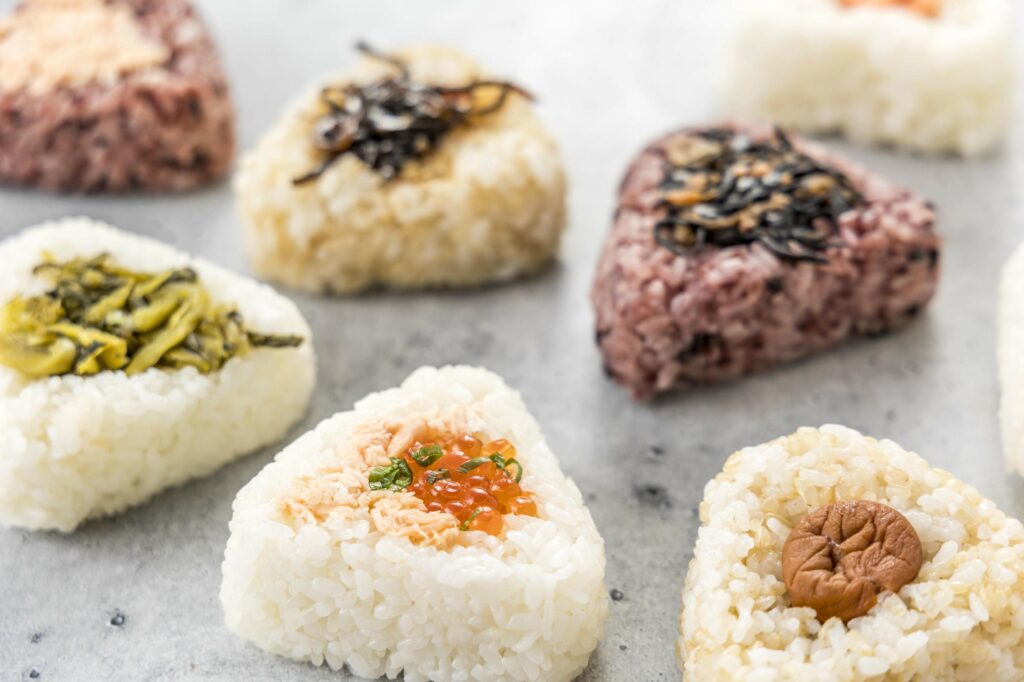
Nigiri is one of the most recognizable types of sushi. It consists of a small mound of hand-shaped sushi rice topped with an ingredient, traditionally a slice of seafood.
Common toppings include salmon, tuna, shrimp, eel, and other seafood. Some pieces may also feature a small amount of wasabi between the rice and topping.
Nigiri has a simple appearance, but its appeal comes from the balance between the seasoned rice and the topping.
If you want to understand how nigiri compares with other sushi styles, see our guide to Nigiri vs. Maki.
2. Maki Sushi
Maki is a broad category of rolled sushi. Sushi rice and fillings are wrapped in nori, the dark sheets of dried seaweed commonly associated with sushi rolls.
Depending on the roll, ingredients can include seafood, vegetables, avocado, cucumber, cooked proteins, or sauces.
Maki rolls can vary significantly in size and ingredients. Some are relatively small and simple, while others contain several fillings.
For a closer look at this style, check out What Is a Maki Roll?.
3. Uramaki
Uramaki is often described as an inside-out sushi roll. Unlike traditional maki, the rice is on the outside while the nori and fillings are positioned inside.
This style is particularly familiar to diners in the United States because many popular Western-style sushi rolls use the uramaki format.
The outside layer can be topped with sesame seeds, fish, roe, or other ingredients, giving the roll a distinctive appearance and additional texture.
4. Temaki
Temaki is also called hand-rolled sushi. Instead of being cut into individual circular pieces, it is shaped into a cone.
A sheet of nori is filled with sushi rice and ingredients such as seafood, vegetables, and sauces before being rolled into a cone shape.
Temaki is usually eaten by hand soon after preparation because the nori is best when it remains crisp.
For people who enjoy a more interactive sushi experience, temaki can be an especially fun option.
5. Gunkan Sushi
Gunkan, sometimes called gunkan-maki, has a distinctive boat-like shape. A small portion of sushi rice is wrapped with a strip of nori, creating a container for softer toppings.
Fish roe is commonly associated with gunkan sushi, although other ingredients can also be used.
The shape makes it possible to serve toppings that would be difficult to place neatly on traditional nigiri.
6. Inari Sushi
Inari sushi is quite different from many seafood-based sushi varieties. It consists of sushi rice tucked inside a pouch made from seasoned fried tofu.
The tofu pouch has a slightly sweet and savory flavor that complements the seasoned rice.
Because it does not require raw seafood, inari can be an approachable choice for diners who are new to sushi or prefer plant-based options.
Learn more about this variety in What Is Inari Sushi?.
7. Chirashi Sushi
Chirashi sushi is served in a bowl rather than being formed into individual pieces or rolls.
Seasoned sushi rice is placed in a bowl and topped with a selection of ingredients. Depending on the preparation, toppings can include different types of seafood, vegetables, egg, and other garnishes.
Chirashi gives diners an opportunity to experience several sushi ingredients together without the structure of a traditional roll.
It can also be visually striking because the toppings are arranged across the surface of the rice.
8. Oshizushi
Oshizushi is known as pressed sushi. Instead of being shaped entirely by hand, the ingredients and sushi rice are pressed into a mold.
Once compressed, the sushi is cut into individual pieces.
This traditional preparation produces pieces with a more uniform shape and can create a compact combination of rice and toppings.
Oshizushi is particularly interesting for diners who want to explore sushi beyond the rolls commonly found on restaurant menus.
9. Futomaki
Futomaki is a thick sushi roll that generally contains multiple ingredients.
Compared with smaller rolls, futomaki can offer several flavors and textures in one bite. Fillings may include vegetables, seafood, egg, or other ingredients.
Its larger size makes it a filling option for people who enjoy sushi rolls with a variety of components.
10. Hosomaki
Hosomaki is a smaller and simpler style of rolled sushi.
Typically, it contains a limited number of fillings surrounded by sushi rice and nori. Cucumber rolls and tuna rolls are familiar examples of the simple concept behind this style.
Because the rolls are relatively small, hosomaki can be a good way to enjoy individual ingredients without combining too many flavors at once.
11. Cooked Sushi
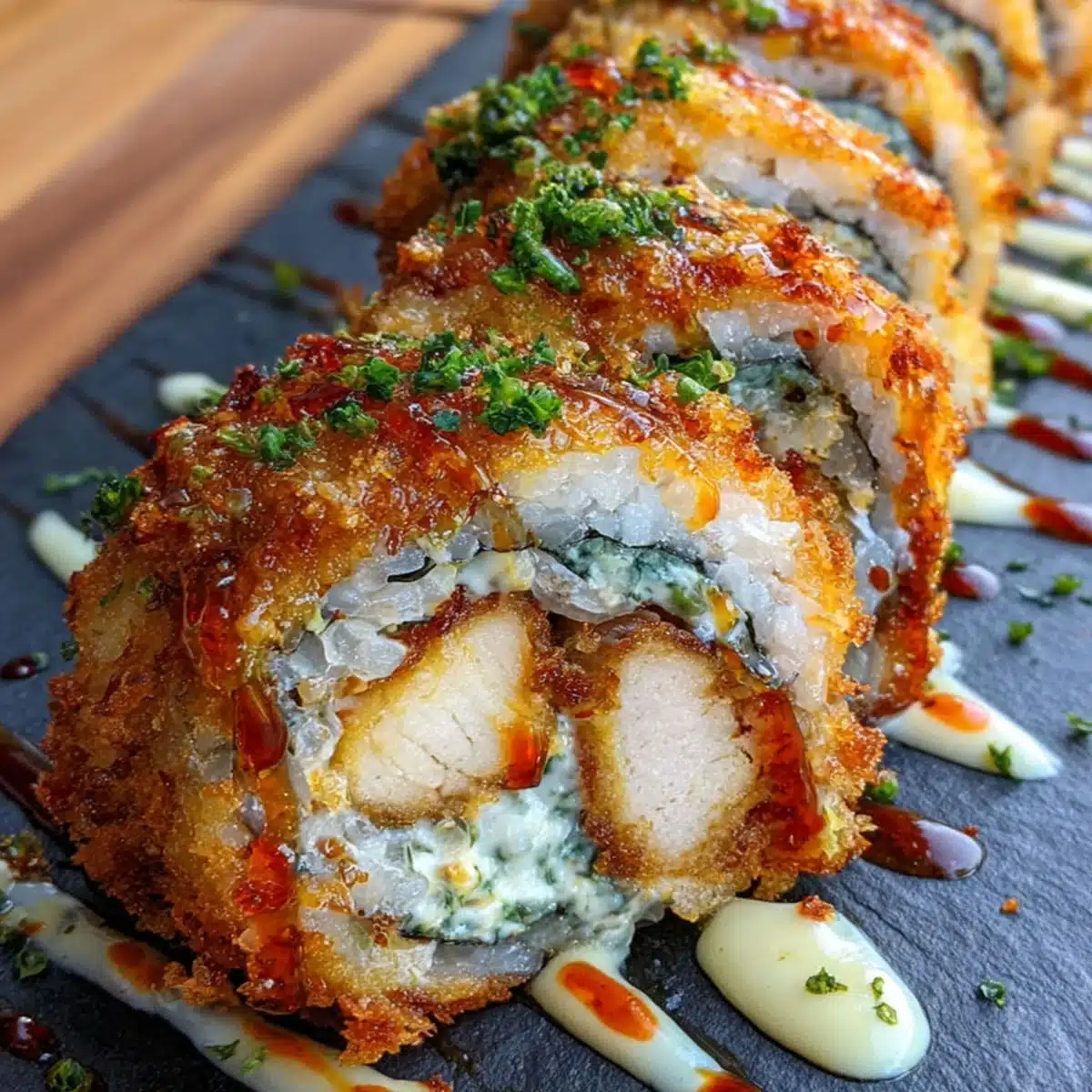
Not every type of sushi contains raw seafood. Cooked sushi can feature ingredients such as cooked shrimp, crab, eel, tempura, or other prepared proteins.
Cooked varieties can be especially useful for people who are trying sushi for the first time but are not comfortable with raw fish.
STIX ASIA also explores cooked preparations in its guide to types of cooked sushi.
The exact ingredients vary from restaurant to restaurant, so checking the menu or asking your server about preparation is always a good idea.
12. Vegetarian Sushi
Vegetarian sushi demonstrates that sushi does not have to revolve around seafood.
Depending on the restaurant, vegetarian options may include cucumber, avocado, asparagus, pickled vegetables, mushrooms, tofu, or other plant-based ingredients.
Vegetarian sushi can provide a combination of fresh, crunchy, creamy, and savory flavors while maintaining the basic concept of seasoned sushi rice.
For diners who avoid seafood, these varieties can make it easier to enjoy the sushi experience.
Raw vs. Cooked Sushi: Which Should You Try?
Choosing between raw and cooked sushi largely comes down to personal preference.
Raw seafood varieties can offer delicate textures and flavors that highlight the quality of the ingredients. Cooked options can provide familiar flavors and may be more comfortable for people who are new to sushi.
If this is your first sushi experience, starting with cooked shrimp, tempura-based rolls, or vegetable rolls can be an easy introduction. Those who already enjoy seafood may want to explore salmon or tuna-based options.
Food safety and proper handling are also important whenever raw seafood is served, so sushi should be purchased from reputable restaurants that follow appropriate food-safety practices.
What Type of Sushi Is Best for Beginners?
There is no single best sushi type for everyone. Your ideal starting point depends on what flavors and textures you already enjoy.
For a first visit, consider:
- Maki: Easy to recognize and available with many different fillings.
- Nigiri: A straightforward way to experience sushi rice with a seafood topping.
- Temaki: A fun hand-rolled option with plenty of filling.
- Inari: A sweet-savory choice that does not rely on raw seafood.
- Cooked rolls: A comfortable starting point for diners who prefer cooked ingredients.
- Vegetable rolls: A simple option for people who do not eat seafood.
Trying several styles is often the best way to discover which type suits your taste.
How Are Different Sushi Types Different?
The biggest differences usually come down to shape, preparation, ingredients, and presentation.
Nigiri features a topping over hand-shaped rice. Maki wraps rice and fillings in nori, while uramaki reverses the arrangement by placing rice on the outside.
Temaki takes the roll concept and turns it into a cone that is eaten by hand. Gunkan creates a small nori vessel for loose toppings. Chirashi removes the individual-piece format altogether and serves the ingredients over rice in a bowl.
These differences may seem subtle at first, but they create noticeably different eating experiences.
How to Choose Sushi at an Asian Food Hall
One of the advantages of dining at an Asian food hall is having the opportunity to explore different flavors and preparations in one destination.
Rather than ordering only one familiar roll, consider combining different textures and styles. A plate could include a simple roll, nigiri, a cooked option, or a vegetable-based dish.
This approach allows you to compare the flavors of different preparations and gradually discover your preferences.
For visitors looking for an Asian dining experience in Hawaii, STIX ASIA offers a food hall concept where guests can explore a range of Asian-inspired dishes.
Final Thoughts
The world of sushi extends well beyond the standard sushi roll. Nigiri, maki, uramaki, temaki, gunkan, inari, chirashi, oshizushi, futomaki, hosomaki, cooked sushi, and vegetarian sushi all offer different ways to experience seasoned rice and complementary ingredients.
If you are new to sushi, there is no need to know every name before ordering. Start with a style that matches your comfort level, then gradually experiment with different ingredients and preparations.
Whether you prefer simple rolls, delicate nigiri, cooked ingredients, or vegetable-based options, exploring different types of sushi is part of the fun of discovering Japanese-inspired cuisine.