
Cucumber brings a crisp bite that balances soft sushi rice, savory seaweed, creamy avocado, and richer fillings like salmon or eel. It is one of the simplest sushi ingredients, yet changing how it is sliced or paired can completely change a roll.
A cucumber sushi roll is typically made with seasoned sushi rice, nori seaweed, and fresh cucumber. The classic Japanese version, called kappa maki, is a thin roll with cucumber as its main filling.
At STIX ASIA, we appreciate how much variety a few carefully chosen sushi ingredients can create. Whether you prefer a traditional vegetable roll or a seafood combination, this guide covers the ingredients, estimated calories, popular variations, and an easy method for making cucumber rolls at home.
What Is a Cucumber Sushi Roll?
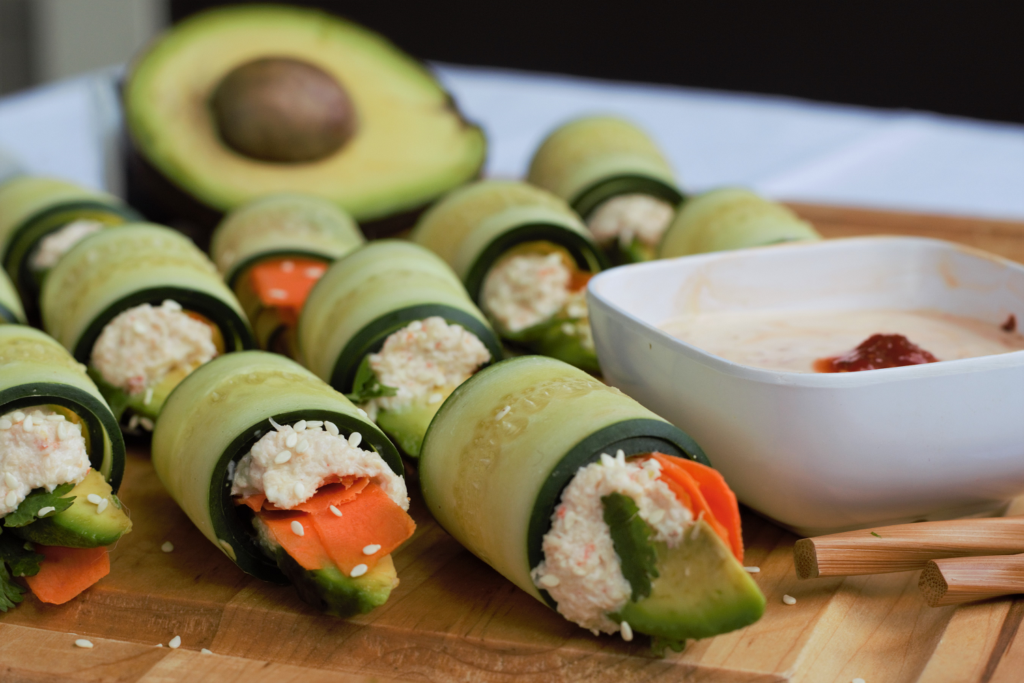
A cucumber sushi roll is a type of maki sushi containing cucumber wrapped with vinegared rice and nori.
Traditional kappa maki is usually a small, thin roll. The cucumber sits in the center, surrounded by seasoned rice and an outer layer of seaweed. It has a light, clean flavor with a noticeable crunch.
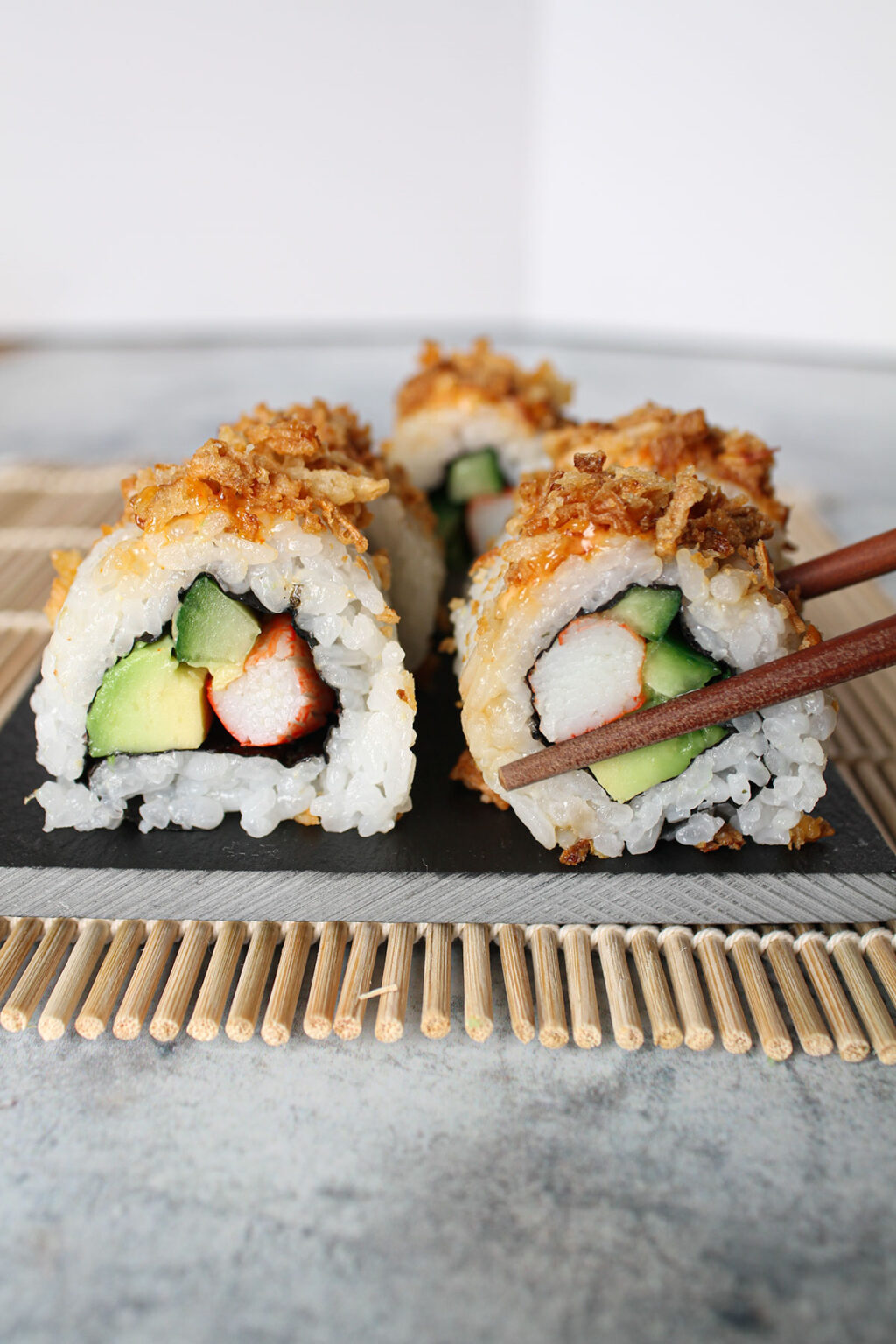
Cucumber is also common in larger sushi rolls containing avocado, salmon, eel, or other fillings. In these versions, it balances softer or richer ingredients.
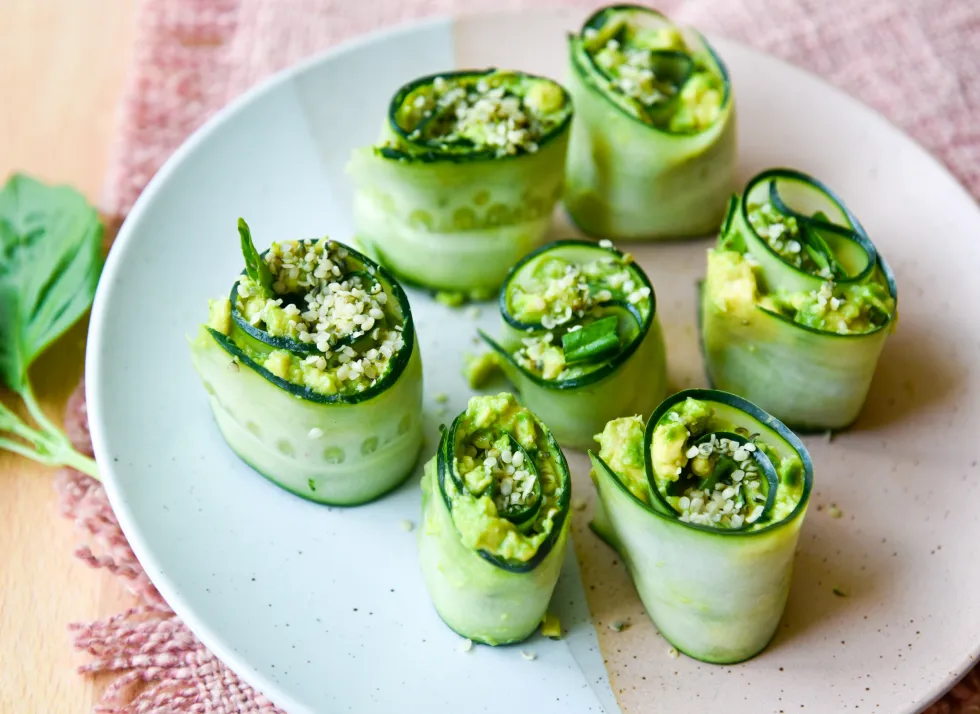
There is another variation worth knowing. Some modern recipes use long cucumber ribbons instead of nori or rice. This is often called cucumber-wrapped sushi, although a rice-free version differs from traditional sushi.
For a broader explanation of rolling techniques, fillings, and styles, see our guide to maki sushi rolls.
Cucumber Sushi Roll Ingredients
You do not need a long ingredient list to make fresh cucumber sushi at home.
Ingredients for Two Small Rolls
This beginner-friendly recipe makes approximately 12 bite-sized pieces.
- 1 cup cooked, cooled sushi rice
- 2 half-sheets of nori seaweed
- 1 small cucumber
- 1 tablespoon rice vinegar
- 1 teaspoon sugar
- 1/4 teaspoon salt
- Water for handling the rice
- Optional soy sauce, pickled ginger, and wasabi for serving
Equipment: A bamboo sushi mat, a sharp knife, a cutting board, and a small bowl of water.
Choose a firm cucumber without soft spots. Persian or Japanese cucumbers are convenient because they have relatively small seed cavities and thin skin.
If using a large cucumber, remove the watery center when necessary. Too much moisture can make the rice difficult to roll and soften the nori.
The rice matters just as much. Sushi rice is typically short-grain Japanese rice seasoned with vinegar, sugar, and salt. Its cohesive texture helps the finished roll hold together.
Our article on sushi rice vs. white rice explains why rice selection affects sushi texture.
How to Make a Cucumber Sushi Roll at Home
Learning how to make cucumber sushi roll recipes becomes easier once you understand three basics: prepare cohesive rice, cut even cucumber strips, and avoid overfilling the nori.
Step 1: Prepare the Sushi Rice
Cook the sushi rice according to the package instructions.
While it is still warm, gently fold in the rice vinegar, sugar, and salt until evenly distributed. Avoid mashing the grains.
Allow the rice to cool until comfortable to handle. Keep it covered with a clean, slightly damp cloth while assembling the rolls so the surface does not dry out.
Use freshly prepared rice and avoid leaving cooked rice at room temperature for extended periods.
Step 2: Slice the Cucumber
Wash the cucumber thoroughly.
Cut it lengthwise into thin, even strips approximately the length of your nori sheet. If the center is particularly watery, trim away the seeds.
Aim for strips that are thick enough to stay crunchy but narrow enough to fit inside a small roll.
Uneven pieces can make the sushi difficult to close.
Step 3: Add Rice and Cucumber to the Nori
Place a half-sheet of nori on a bamboo mat with the shiny side facing down.
Wet your fingers lightly and spread approximately half a cup of prepared rice across the nori in a thin layer. Leave a narrow strip uncovered along the far edge to help seal the roll.
Place the cucumber strips horizontally across the center of the rice.
Avoid adding too much filling. A thinner layer makes the roll easier to shape.
Step 4: Roll the Sushi
Lift the edge of the bamboo mat closest to you.
Roll the nori over the cucumber, keeping the filling in place with your fingers. Continue rolling gently until the rice and cucumber form a compact cylinder.
Apply even pressure through the mat to shape the roll, without crushing the filling.
Moisten the exposed nori edge with a little water if needed to seal it.
Step 5: Slice and Serve
Transfer the roll to a cutting board.
Use a sharp, lightly dampened knife to cut it into six even pieces. Wipe the blade between cuts if rice begins sticking.
Repeat with the remaining ingredients.
Serve the cucumber rolls with soy sauce, pickled ginger, or a small amount of wasabi.
Quick tip: If the roll falls apart, the most common causes are too much rice, uneven filling, or insufficient pressure during shaping.
Popular Types of Cucumber Sushi Rolls
Cucumber works with several sushi fillings because its mild flavor does not overpower other ingredients.
Avocado and Cucumber Sushi Roll
An avocado and cucumber sushi roll combines crunchy cucumber with smooth, creamy avocado.
The avocado adds richness while the cucumber keeps the bite fresh. This combination works well as a vegetarian option, especially with a little sesame seed topping.
Use ripe but firm avocado. Overripe pieces can become mushy during rolling.
Salmon Cucumber Sushi Roll
A salmon-cucumber sushi roll pairs cucumber with the richer taste of salmon.
The ingredients can be arranged in a traditional nori-wrapped roll or an inside-out roll with rice on the outside.
Raw salmon requires appropriate sourcing and handling. For people who need to avoid raw fish, properly cooked salmon is an alternative.
Eel and Cucumber Sushi Roll
An eel cucumber roll sushi combination typically uses cooked eel, often called unagi, with cucumber.
Eel brings a rich, savory flavor, while cucumber adds texture and contrast. Some versions include sweet eel sauce.
Because eel sauce may contain added sugar, the calorie content depends on how much is used.
If you enjoy comparing different fillings and preparations, our guide to sushi roll types provides a broader overview.
Cucumber Sushi Roll With No Rice
A cucumber sushi roll with no rice variation uses thin cucumber ribbons to wrap fillings such as avocado, cooked seafood, or other vegetables.
To prepare cucumber-rolled sushi, use a vegetable peeler or mandoline to cut long cucumber ribbons. Overlap the ribbons slightly, add the fillings, then roll them into a compact cylinder.
This version is refreshing and generally contains fewer carbohydrates than a rice-based roll with comparable fillings.
It is not traditional kappa maki, since that preparation includes seasoned sushi rice.
How Many Calories Are in a Cucumber Sushi Roll?
A basic cucumber sushi roll is often relatively light compared with larger rolls containing fried ingredients or creamy sauces.
However, calories in a cucumber sushi roll depend on the rice quantity, roll size, seasonings, and additional fillings.
Estimated Calories for the Homemade Recipe
| Ingredient | Approximate calories |
| 1 cup cooked sushi rice, before seasoning | 205 |
| 1 small cucumber portion used in the rolls | 10 |
| 2 half-sheets of nori | 5–10 |
| 1 teaspoon sugar | 16 |
| Rice vinegar | 0–5 |
| Total for two rolls | 236–246 |
That works out to approximately 118–123 calories per six-piece roll, excluding dipping sauces and extra toppings.
These are recipe-based estimates, not laboratory-tested nutrition values or STIX ASIA menu nutrition figures. Rice variety, portion size, seasoning, and ingredients can change the result.
A useful way to understand calories in sushi cucumber roll recipes is to look at the rice first. It contributes most of the energy in a traditional cucumber-only maki roll.
For comparison, our California roll calories guide explains how adding avocado, seafood, and other ingredients changes sushi nutrition.
Is a Cucumber Sushi Roll Healthy?
A cucumber sushi roll can be part of a balanced diet, particularly when you want a vegetable-based sushi option.
Cucumber contributes water and a crisp texture, while sushi rice supplies carbohydrates. Nori adds seaweed flavor and small amounts of nutrients.
However, a basic cucumber-only roll contains relatively little protein. It may work better as a snack or alongside a more substantial dish than as a complete meal on its own.
You can make your meal more balanced by pairing cucumber sushi with edamame, tofu, or a suitable cooked fish option.
The type and amount of sauce matter too. Soy sauce contributes sodium, while sweet or creamy sauces can increase calories.
For a closer look at how ingredients influence nutrition, read Is sushi healthy?.
Cucumber Sushi Roll vs. Other Vegetable Rolls
Not all vegetable sushi rolls have the same ingredients, texture, or nutritional profile.
| Roll type | Main ingredients | Texture and flavor |
| Cucumber roll | Cucumber, rice, nori | Crisp and mild |
| Avocado cucumber roll | Avocado, cucumber, rice, nori | Creamy and crunchy |
| Carrot cucumber roll | Carrot, cucumber, rice, nori | Firm, crisp, slightly sweet |
| Mixed vegetable roll | Several vegetables, rice, nori | More varied texture |
| Rice-free cucumber roll | Cucumber ribbons and chosen fillings | Fresh and lighter in texture |
If you want something simple, a cucumber roll is an easy place to start. For more richness, choose avocado. For a larger meal, consider adding a source of protein.
Our guide to protein in sushi covers options for people who want a more protein-rich sushi meal.
What to Serve With Cucumber Sushi Rolls
Because cucumber sushi has a delicate flavor, it works best with sides that complement rather than overpower it.
Miso soup adds a warm, savory contrast. Edamame provides protein and a satisfying bite. Pickled ginger refreshes the palate between rolls.
A lightly dressed cucumber salad is another option, although serving two cucumber-heavy dishes together may feel repetitive.
For more pairing ideas, explore our guide on what to eat with sushi.
Frequently Asked Questions About Cucumber Sushi Rolls
What is a cucumber sushi roll called?
A traditional Japanese cucumber maki roll is called kappa maki. It typically contains cucumber, seasoned sushi rice, and nori rolled into small pieces.
How many calories are in a cucumber sushi roll?
A six-piece homemade cucumber roll made with approximately half a cup of seasoned rice may contain around 120 calories. Larger restaurant rolls, extra rice, sauces, or additional fillings can increase that amount.
Can I make a cucumber sushi roll without rice?
Yes. Use thin cucumber ribbons as the outer wrapper and fill them with avocado, vegetables, or properly cooked seafood. This creates a rice-free cucumber-wrapped roll rather than traditional maki sushi.
Can I use regular rice for cucumber sushi?
You can try, but short-grain sushi rice generally produces a more cohesive roll. Long-grain rice tends to separate more easily, making rolling difficult.
Is a cucumber sushi roll vegetarian or vegan?
A traditional roll containing only cucumber, seasoned rice, and plain nori can be vegan. Check sauces and additional ingredients because some preparations contain fish-based seasonings, mayonnaise, or seafood.
How Is Sushi Roll Cucumber Salad Different From Cucumber Sushi?
No. A sushi roll cucumber salad usually combines chopped or sliced cucumber with ingredients inspired by sushi, such as avocado, rice, sesame seeds, nori, or a savory dressing. It is a salad, not a rolled sushi preparation.
Can children eat cucumber sushi rolls?
A cucumber-only roll can be a practical option for children who can safely chew its ingredients. Cut pieces appropriately, follow good food-handling practices, and consider allergies or individual dietary needs. Rolls containing raw fish require extra caution.
Is a Cucumber Sushi Roll Easy for Beginners to Make?
A basic cucumber maki roll is one of the simplest choices. It needs only rice, nori, cucumber, and basic seasoning, so you can focus on learning the rolling technique.
Discover More Sushi With STIX ASIA
A cucumber sushi roll shows how a few familiar ingredients can create an enjoyable combination of flavor and texture. Start with traditional kappa maki to learn the basics, then experiment with avocado, properly prepared salmon, or cooked eel as your confidence grows.
The most important details are well-seasoned rice, fresh cucumber, even slicing, and careful rolling. You do not need an elaborate ingredient list to make a satisfying roll.
At STIX ASIA, we celebrate the variety of sushi and Asian cuisine, from simple vegetable combinations to more elaborate rolls. Whether you are preparing sushi at home or exploring new flavors while dining out, understanding what goes into each roll makes choosing your next favorite easier.
New to sushi? Our guide on how to eat sushi like a pro is a useful next read.