
In this article, we’ll break down exactly how many calories are in a California roll, what makes up its carbs and macros, and how small ingredient choices can shift the numbers. By the end, you’ll know exactly what you’re eating the next time you order one.
What Is a California Roll?
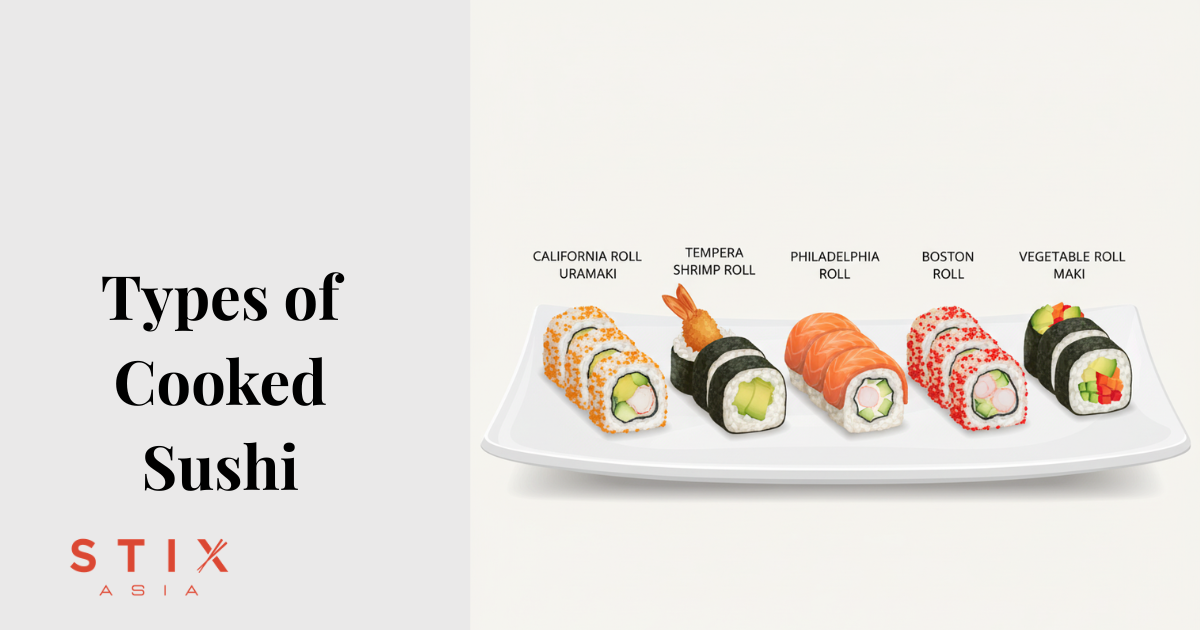
A California roll is one of the most popular sushi rolls in the United States, made with sushi rice, imitation crab (also called kani), avocado, and cucumber, rolled inside a sheet of nori and often coated in sesame seeds or tobiko. Unlike traditional nigiri or sashimi, it uses cooked seafood rather than raw fish, which is part of why it became such an approachable entry point for people new to sushi.
If you’re curious about how this roll compares structurally to other rolls, our guide on maki roll types and health benefits breaks down the differences in a bit more depth.
How Many Calories Are in a California Roll?
The most common question people ask is simply how many calories in a California roll they’re about to order. On average, a full 8-piece roll contains between 255 and 350 calories, though this range depends heavily on the restaurant, the rice-to-filling ratio, and how much mayonnaise is used in the filling or drizzled on top.
Per piece, that works out to roughly 30 to 45 calories. A roll made with less rice and more filling tends to sit at the lower end, while a roll with a thick mayo-based filling or a spicy sauce drizzle can push closer to the higher end.
California Roll Calories: 8 Pieces
Since most restaurants, including STIX ASIA, serve California rolls as an 8-piece order, this is the number most people actually want. A standard 8-piece California roll averages around 255 to 300 calories when made with a moderate amount of mayo and can reach 320 to 350 calories if the filling is heavier or the roll includes tempura flakes or extra sauce.
For comparison, that’s fairly similar to a medium-sized bagel or a small bowl of cereal, making it a reasonable option for a light meal or an appetizer shared between two people.
California Roll Nutrition Facts
Beyond the calorie count, a full nutrition breakdown gives a clearer picture of what’s actually in the roll. For a standard 8-piece California roll, typical nutrition facts look like this:
Calories: 255 to 300. Total carbohydrates: 38 to 42 grams. Protein: 7 to 9 grams. Total fat: 7 to 10 grams. Sodium: 400 to 600 milligrams, largely from the nori, imitation crab processing, and any soy sauce used for dipping. Fiber: 2 to 3 grams, mostly from the cucumber and avocado.
These figures align closely with standard nutrition data published by the USDA FoodData Central database, which tracks nutrient values for sushi rolls and similar prepared foods.
How Many Carbs Are in California Rolls?
Carbohydrates make up the largest share of a California roll’s nutritional profile, mostly because sushi rice is the dominant ingredient by volume. An 8-piece roll typically contains 38 to 42 grams of carbs, with the vast majority coming from the vinegared white rice used to hold the roll together.
The avocado and cucumber contribute a small amount of additional carbohydrate, along with a modest amount of fiber, but the rice remains the primary source by a wide margin. This is worth knowing if you’re tracking carb intake closely, since a single roll can represent a meaningful portion of a lower-carb daily target.
California Roll Macros
Looking at the roll’s macronutrient breakdown as a percentage of total calories helps put the numbers in context. A typical 8-piece California roll is roughly 60 to 65 percent carbohydrates, 25 to 30 percent fat, and 10 to 12 percent protein.
This carb-heavy profile is typical of most sushi rolls, since rice forms the structural base of nearly every roll on a sushi menu. The fat percentage comes primarily from mayonnaise, avocado, and any added sauces, while the protein contribution from imitation crab is relatively modest compared to rolls built around raw fish or grilled protein.
What Affects California Roll Calories the Most?
Several specific ingredients have an outsized effect on the final calorie count, and understanding them helps explain why the same roll name can vary so much between restaurants.
Imitation crab, or kani, is processed fish combined with starch, egg white, and seasoning, and it’s generally lower in calories than avocado or added sauces. You can read more about how it’s made and used in our guide to what kani actually is.
Mayonnaise is the single biggest variable. A roll made with a light touch of mayo stays closer to the 255-calorie range, while a roll with mayo mixed directly into the crab filling, plus a drizzle on top, can add 60 to 100 extra calories. Avocado adds healthy fat and roughly 50 calories per half avocado used across the roll, and rice quantity varies significantly by restaurant, since some rolls use noticeably more rice per piece than others.
Is a California Roll Healthy?
Whether a California roll counts as a healthy choice depends on what you’re comparing it against and how it fits into your overall diet. Compared to fried rolls or rolls topped with heavy spicy mayo sauces, a standard California roll is a moderate, relatively balanced option.
It contains lean protein from the imitation crab, healthy monounsaturated fat from the avocado, and a manageable calorie count for a full roll. The main consideration is sodium, since the combination of seasoned rice, nori, and soy sauce for dipping can add up quickly if you’re watching sodium intake closely.
For a broader look at how sushi fits into a healthy eating pattern, our guide on whether sushi is healthy covers the full picture across different roll types, not just California rolls specifically.
How to Make a California Roll Lighter
If you’re looking to reduce the calorie count without giving up the roll entirely, a few adjustments make a real difference. Asking for the roll without the mayo mixed into the filling, or requesting sauce on the side instead of drizzled on top, can save 60 calories or more.
Choosing brown rice instead of white rice, where available, adds fiber and slightly reduces the net carb impact. Requesting less rice and more filling shifts the balance toward protein and healthy fat rather than starch. Finally, pairing the roll with a side salad instead of a second roll keeps the overall meal lighter while still feeling complete.
California Roll vs Other Sushi Rolls
Compared to other popular rolls, the California roll sits in the middle of the calorie spectrum. A cucumber roll or a simple vegetable roll typically comes in lower, often under 200 calories for a full order, since it skips the mayo and imitation crab entirely.
Fried rolls, tempura rolls, and rolls with heavy spicy mayo or eel sauce tend to run significantly higher, sometimes 400 to 500 calories or more for a full order. If you want a broader comparison across the full range of options, our complete guide to sushi roll types breaks down calorie ranges across the most popular choices. For rolls that use cooking methods beyond the standard raw or imitation crab base, our guide to cooked sushi styles is a useful next read.
Frequently Asked Questions
How many calories in a California roll?
A full 8-piece California roll typically contains 255 to 350 calories, or roughly 30 to 45 calories per piece, depending on the amount of rice, mayo, and filling used.
How many carbs in a California roll?
A standard 8-piece roll contains approximately 38 to 42 grams of carbohydrates, with the majority coming from the sushi rice rather than the avocado or cucumber.
Is a California roll high in calories compared to other sushi?
No, it sits in the moderate range. Simple vegetable rolls are typically lower in calories, while fried or heavily sauced rolls tend to run noticeably higher.
What part of a California roll has the most calories?
The sushi rice contributes the most calories overall, since it makes up the largest portion of the roll by volume, followed by any added mayonnaise.
The Bottom Line on California Roll Calories
A California roll is a reasonably balanced choice if you’re mindful of what goes into it. At 255 to 350 calories for a full roll, it fits comfortably into most meal plans, especially when ordered with mayo on the side and paired with a lighter side dish. The rice drives most of the carbohydrate count, while the avocado and imitation crab bring modest protein and healthy fat to the plate.
If you’re deciding what to order next time, a standard California roll remains one of the more balanced picks on a sushi menu, and a great starting point whether you’re new to sushi or simply keeping an eye on what you eat. Stop by STIX ASIA to try one made fresh, or explore the full menu to compare it against other rolls before you decide.