
At STIX ASIA, guests often ask what makes ikura so special compared to other sushi toppings. The answer lies in its unique combination of flavor, texture, craftsmanship, and tradition. Unlike fish slices that provide a smooth, delicate bite, ikura delivers an entirely different sensory experience, making it a delicious specialty at any sushi bar. Each pearl bursts gently in your mouth, releasing a rich, savory flavor that captures the essence of the sea.
Whether you’re new to sushi or looking to deepen your understanding of Japanese cuisine, this guide explains exactly what ikura sushi is, how it’s prepared, how it tastes, and why it remains a favorite among sushi enthusiasts worldwide.
What Is Ikura Sushi?
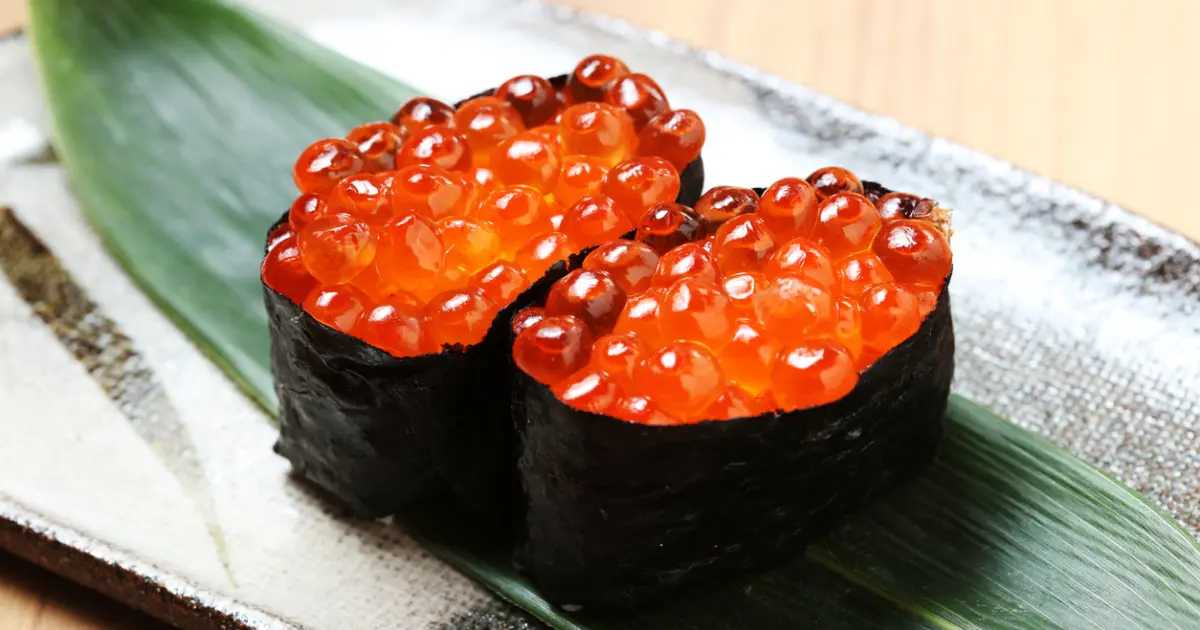
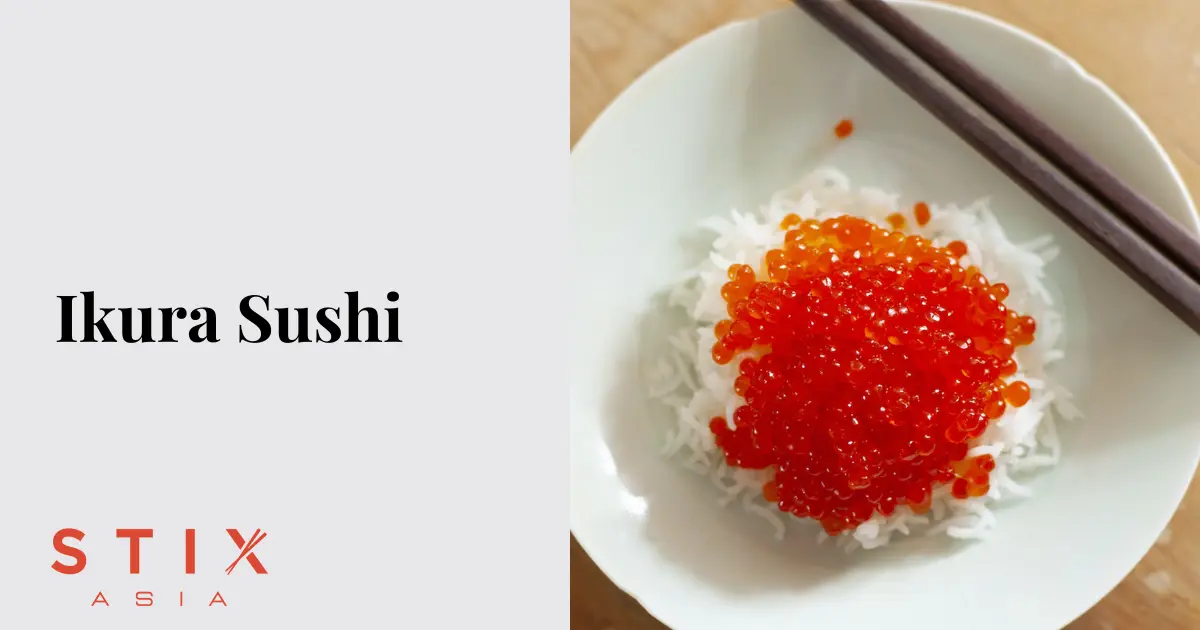
Ikura sushi is sushi topped with cured salmon roe, which is the eggs harvested from salmon and preserved in a seasoned brine, making it a delicious option at any sushi bar.
The word “ikura” is the Japanese term used for processed salmon roe that has been separated from its membrane and cured before serving, often found in delicious sushi dishes. In sushi restaurants, ikura is most commonly presented on seasoned sushi rice and wrapped with a strip of nori to keep the delicate eggs in place.
Unlike many traditional sushi toppings, ikura isn’t a solid piece of seafood, but rather a delicious type of sushi that adds a unique texture. Instead, it consists of hundreds of individual eggs, each containing a flavorful liquid center that creates its famous popping texture.
Because of its rich taste and luxurious appearance, ikura is often considered a premium sushi ingredient.
What Is Ikura Exactly?
Many people use terms like salmon roe, red caviar, fish eggs, and ikura interchangeably, but there are important differences.
Salmon Roe refers to the raw eggs harvested directly from salmon.
Ikura refers specifically to salmon roe that has been cleaned, separated, and cured in a flavorful brine, making it a delicious choice for sushi lovers.
Red Caviar is a marketing term commonly used for salmon roe products, although true caviar traditionally comes from sturgeon.
Sushi Eggs Ikura is a general term often used by diners to describe roe served in sushi restaurants, especially in gunkan maki preparations.
In simple terms, all ikura is salmon roe, but not all salmon roe is prepared as ikura.
How Japanese Ikura Is Made
The production of high-quality ikura requires both skill and careful handling.
After salmon roe is harvested, the eggs remain attached within a thin membrane known as a skein. It producers gently separate the eggs without damaging their delicate outer shell, ensuring the ikura remains a specialty of Japanese sushi.
Once separated, the eggs are rinsed and placed into a curing solution that typically contains soy sauce, sake, salt, and occasionally dashi or mirin, making this ikura a true delicacy in Japanese cuisine.
This curing process serves several important purposes, including enhancing the flavor of ikura, a specialty in Japanese sushi and a sought-after delicacy.
- Enhances flavor
- Improves texture
- Preserves freshness
- Strengthens the egg membrane
- Creates the signature umami taste associated with premium ikura
After curing, the roe is chilled and prepared for service. Because freshness is essential, high-quality ikura is typically consumed relatively quickly compared to heavily preserved seafood products.
What Does Ikura Taste Like?
One of the most common questions first-time diners ask is: What does it taste like?
The flavor is best described as rich, savory, slightly salty, and deeply umami.
However, taste is only part of the experience.
Each individual egg has a delicate outer membrane that gently bursts when bitten. This release creates a wave of ocean-inspired flavor that spreads across the palate.
Fresh ikura should never taste overwhelmingly fishy. Instead, it offers a clean seafood character balanced by the subtle sweetness and saltiness of the curing marinade.
Many sushi enthusiasts consider the texture to be just as important as the flavor. The famous “pop” of ikura is what keeps many diners at sushi establishments coming back for more.
How Ikura Is Served in Sushi
Ikura appears in several traditional and modern sushi styles.
Ikura Nigiri
Ikura nigiri consists of a small hand-formed mound of sushi rice topped with salmon roe.
Because the eggs are loose, a strip of nori is usually wrapped around the rice to hold everything together.
This style allows diners to appreciate the pure flavor of the roe with minimal distractions.
Ikura Gunkan-Maki
Often called a battleship roll, gunkan-maki is one of the most recognizable forms of ikura sushi.
A wider band of nori surrounds the rice and creates a cup-like shape that holds a generous serving of roe.
This presentation highlights the visual appeal of ikura, a type of sushi, while delivering a larger amount in each bite, especially when served in gunkan.
Ikura Rolls
Some sushi restaurants incorporate ikura into maki rolls alongside ingredients such as cucumber, avocado, crab, or salmon.
These rolls create a balanced flavor profile and can be a good introduction for diners trying ikura for the first time.
Why Japanese Ikura Is Highly Valued
Not all ikura is created equal.
Japanese producers, particularly those in Hokkaido, have built a reputation for producing some of the world’s highest-quality salmon roe, which is often used in gunkan maki.
Several factors contribute to this reputation:
- Premium salmon sourcing
- Seasonal harvesting practices influence the availability of ikura, making it a delicacy that varies throughout the year.
- Traditional curing techniques
- Strict quality control standards are essential for producers of ikura to ensure the highest quality in sushi establishments.
- Larger, more uniform egg size
When a menu specifically mentions Japanese ikura, it often indicates a higher-grade product with superior texture and a more refined flavor profile.
At STIX ASIA, sourcing quality ingredients remains a key part of delivering an authentic Japanese dining experience.
Ikura vs Tobiko vs Masago
Many sushi lovers confuse different types of roe. Understanding the differences can help you order with confidence.
| Type | Source Fish | Size | Texture | Flavor |
| Ikura | Salmon | Large | Soft Pop | Rich & Briny |
| Tobiko | Flying Fish | Small | Crunchy | Mild & Smoky |
| Masago | Capelin | Tiny | Fine Crunch | Mild & Salty |
Ikura stands out because of its size, luxurious mouthfeel, and intense flavor.
While tobiko and masago are often used as garnishes, ikura is typically featured as the star ingredient.
Ikura Beyond Sushi
Although most people associate ikura with sushi, chefs increasingly use it in a variety of dishes.
Modern Japanese restaurants may serve ikura on:
- Rice bowls
- Seafood donburi
- Sashimi platters
- Chawanmushi
- Fusion appetizers
- Premium ramen dishes
The bright color and unique texture make it a versatile ingredient that enhances both flavor and presentation.
Nutritional Benefits of Ikura
Ikura offers more than just great taste.
Salmon roe contains several nutrients that support overall health and is often featured in delicious sushi like ikura.
Key nutritional benefits include:
- High-quality protein
- Omega-3 fatty acids
- Vitamin B12 is essential for overall health, and it can be found in delicious sushi options like ikura.
- Vitamin D is another important nutrient often found in delicious sushi, including ikura.
- Selenium is an important nutrient found in ikura, contributing to its health benefits as a sushi delicacy.
- Essential amino acids
Omega-3 fats found in salmon roe, especially in ikura, are particularly valued for supporting heart and brain health, making it a delicious addition to any meal.
Because ikura is cured in a brine, it can contain significant sodium levels, so moderation is generally recommended when enjoying this delicious type of sushi.
Final Thoughts
Ikura sushi has earned its reputation as one of the most exciting ingredients in Japanese cuisine. Its vibrant appearance, luxurious texture, and deep umami flavor create an experience unlike any other sushi topping.
Whether enjoyed as nigiri sushi, gunkan maki, or as part of a premium seafood dish, ikura delivers a memorable combination of taste and texture that appeals to both newcomers and seasoned sushi enthusiasts in Japan.
For diners looking to explore authentic Japanese flavors, ikura remains one of the best introductions to the craftsmanship and attention to detail that define exceptional sushi. At STIX ASIA, it continues to be one of the most appreciated ingredients among guests seeking a true Japanese dining experience.
Frequently Asked Questions
What is ikura in sushi?
It is cured salmon roe served on sushi rice, usually as nigiri or gunkan-maki.
Is ikura the same as salmon roe?
Not exactly. Salmon roe refers to the raw eggs, while ikura refers to salmon roe that has been processed and cured.
Why is ikura expensive?
Premium ikura requires careful harvesting, labor-intensive preparation, seasonal sourcing, and strict quality control, all of which contribute to its higher cost.
Is ikura raw?
Ikura is typically cured rather than completely raw. The curing process improves flavor, texture, and preservation.
What makes ikura different from tobiko?
Ikura is significantly larger, softer, and more flavorful, while tobiko is smaller, crunchier, and milder.