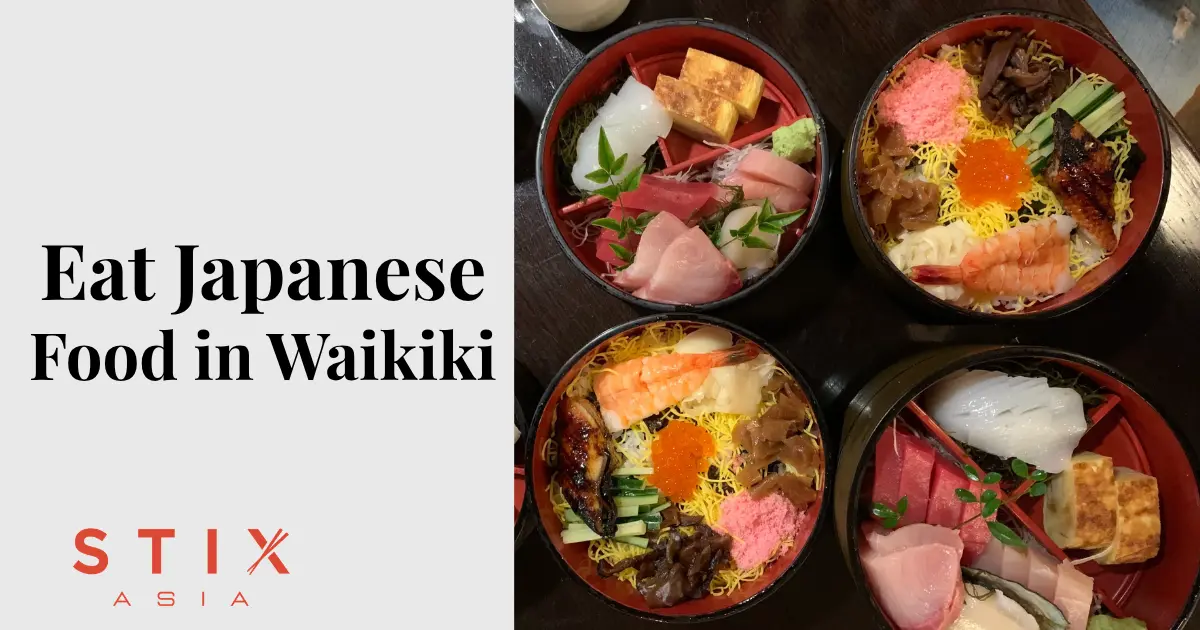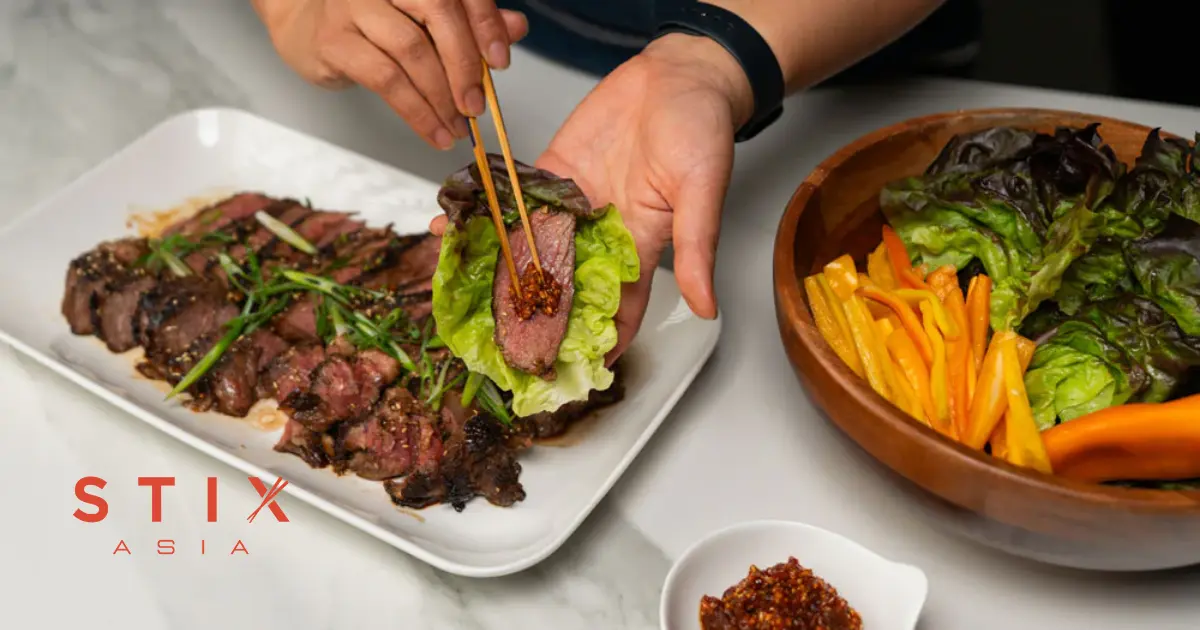

For people visiting Honolulu or Las Vegas, an Asian food hall can be a convenient way to experience different parts of Asian cuisine without traveling between multiple restaurants. From sushi and ramen to Japanese comfort food, Korean-inspired dishes, noodles, and other specialties, a food hall can turn a meal into a broader dining experience.
At STIX ASIA, the food hall concept brings together different food experiences under one destination, with locations in Waikiki and Las Vegas.
What Is an Asian Food Hall?
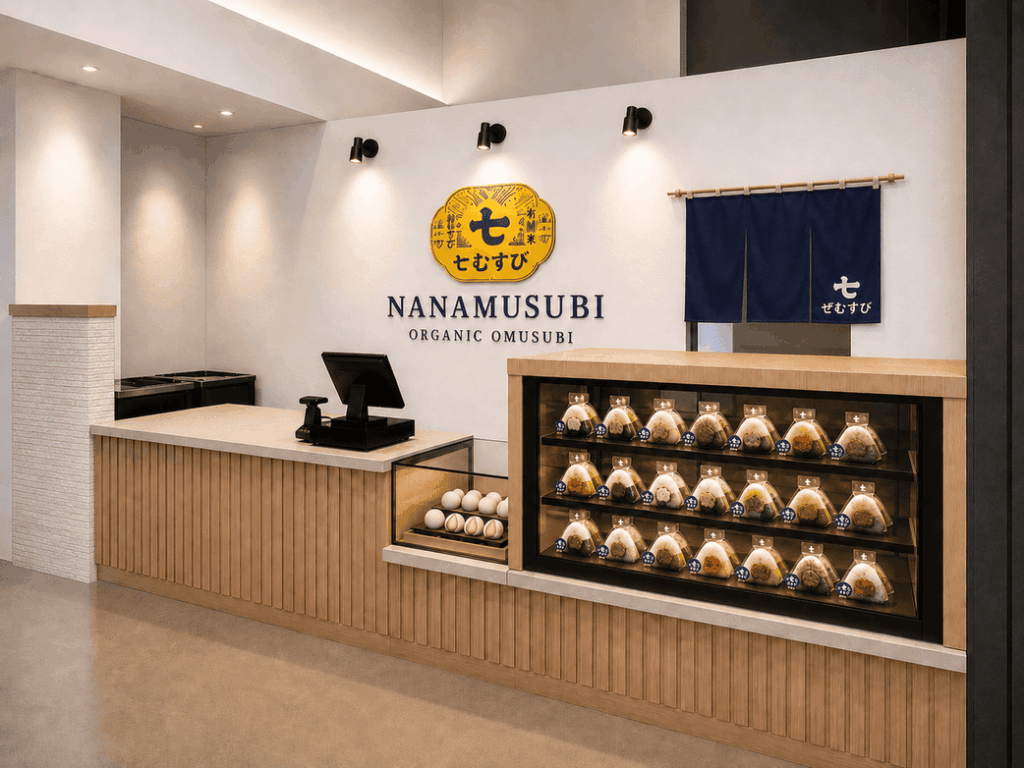
An Asian food hall is a shared dining space where multiple food vendors, restaurants, or culinary concepts operate within the same destination.
The main difference between a traditional restaurant and a food hall is the variety of choices available within the same space. A group can arrive together, choose different dishes from different concepts, and still sit down and enjoy the meal in a shared dining environment.
This makes food halls particularly useful for groups with different preferences. One person might want sushi, another might prefer ramen, while someone else may be interested in Japanese beef katsu or noodles.
For visitors who are unfamiliar with Asian cuisine, a food hall also provides an easy way to explore different dishes without committing to one restaurant or cuisine.
How Does an Asian Food Hall Work?
The exact setup varies from one food hall to another, but the basic experience is straightforward.
1. Explore the Available Food Concepts
When you arrive, you can look around the food hall and see what each restaurant or food concept offers. Menus may feature different cuisines, dishes, ingredients, and preparation styles.
At STIX ASIA, visitors can explore individual concepts and choose what appeals to them. The destination includes several food options, making it possible to create different dining experiences during the same visit.
2. Choose What You Want to Eat
Once you have explored the available options, you can select the food that suits your preferences.
Someone looking for sushi may choose a sushi-focused concept, while another guest might want noodles, ramen, beef katsu, or another Asian specialty.
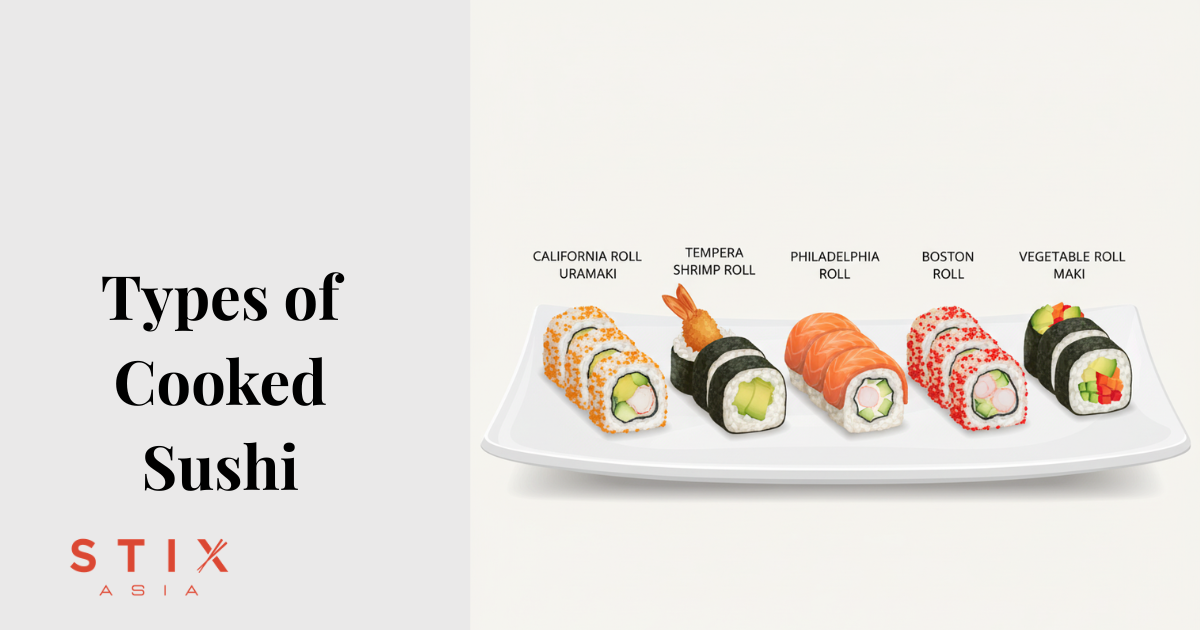
If you are new to sushi, resources such as this guide to different types of sushi can also help explain some of the dishes you may see on a menu.
3. Order From Your Chosen Concept
Depending on the food hall, each concept may have its own ordering area and menu. Some food halls use individual counters, while others may have a centralized ordering system.
The important part is that guests can select food from the concepts they are most interested in rather than everyone having to order from the same restaurant.
4. Find a Place to Dine
After ordering, guests can enjoy their food in the shared seating area.
This shared environment is one of the defining characteristics of a food hall. A group can order different meals and still eat together at the same table.
STIX ASIA offers seating for guests at its locations, making the food hall suitable for casual meals, group dining, and visitors exploring Waikiki or Las Vegas.
What Kind of Food Can You Find in an Asian Food Hall?
The selection depends on the individual food hall, but Asian food halls can bring together a broad range of cuisines and dishes.
Common options may include:
- Sushi and sashimi
- Ramen
- Udon and other noodles
- Tempura
- Beef katsu
- Japanese rice dishes
- Korean-inspired food
- Asian desserts and drinks
- Regional specialties
For example, STIX ASIA’s collection includes concepts offering ramen, udon, sushi, beef katsu, tempura, and other Asian-inspired dishes.
If you want to understand one of the most popular Japanese noodle dishes before visiting, the guide to Japanese ramen explains the different broths, toppings, and styles commonly associated with ramen.
For another Japanese noodle option, you can also explore udon vs. soba to understand how these two noodle styles differ.
Why Do People Choose Asian Food Halls?
One of the biggest advantages of an Asian food hall is choice.
Traditional dining usually means selecting one restaurant before ordering. A food hall changes that experience by putting several options in the same destination.
Variety for Groups
Food preferences can vary considerably within a group. A food hall allows people to choose different meals without splitting up and visiting separate restaurants.
An Easy Way to Explore Asian Cuisine
If you are unfamiliar with Asian food, a food hall can also be an approachable starting point.
Rather than choosing an unfamiliar restaurant and ordering an entire meal without knowing what to expect, you can look at several menus and explore dishes at your own pace.
You might start with sushi and later discover ramen, udon, tempura, or another dish you have never tried before.
For visitors interested in Japanese food specifically, STIX ASIA also has a guide covering popular Japanese foods and traditional Asian cuisine.
Convenient Dining
Having multiple food concepts in one location can make dining more convenient, particularly when different members of a group want different things.
It can also be useful for visitors who want to explore food without spending time traveling between several restaurants.
Asian Food Hall vs. Traditional Restaurant
The biggest difference is the dining format.
A traditional restaurant generally has one menu, one kitchen concept, and one primary cuisine or style of food. An Asian food hall can bring several concepts together under one roof.
| Asian Food Hall | Traditional Restaurant |
| Multiple food concepts | Usually one restaurant concept |
| Several menus or cuisines | One main menu |
| Shared dining environment | Restaurant-specific seating |
| More choices for groups | Everyone usually orders from the same menu |
| Easy to explore different dishes | More focused dining experience |
Neither format has to be complicated. The difference is mainly in how much choice and variety the dining destination provides.
Why Waikiki Is a Natural Setting for an Asian Food Hall
Waikiki is known for its restaurants, hotels, shopping, and visitors from around the world. A food hall fits naturally into this type of destination because visitors often want convenient access to different types of food during the same trip.
For people looking for Asian dining in the area, STIX ASIA provides a food hall experience at 2250 Kalākaua Ave, Lower Level 100, Honolulu, HI 96815.
If you are planning where to eat during a Waikiki visit, you can also explore where to eat authentic Asian food in Waikiki.
For Japanese food specifically, this Waikiki Japanese food guide provides another useful starting point.
You can also learn more about STIX ASIA as an Asian food destination in Waikiki.
What Should First-Time Visitors Expect?
If you have never visited an Asian food hall before, the experience may be different from a conventional sit-down restaurant.
You can expect to:
- Browse several food concepts.
- Compare different menus.
- Choose one or more dishes based on your preferences.
- Order from the relevant food concept.
- Find shared seating.
- Enjoy your meal with your group.
It is also worth taking your time when choosing what to order. If you are visiting with other people, comparing menus together can be part of the experience.
For sushi lovers, understanding the difference between dishes can also make ordering easier. For example, nigiri vs. sashimi explains two popular Japanese preparations that are often confused by first-time diners.
Likewise, nigiri vs. maki explains another important distinction between popular sushi styles.
Asian Food Halls Are About More Than Just Food
The appeal of an Asian food hall is not simply the number of dishes available. It is the ability to turn a meal into an opportunity to explore.
A first-time visitor might arrive looking for one specific dish and leave having discovered something completely different. A group can order several dishes and share the experience. Regular visitors can also return and try different concepts on different visits.
That flexibility makes the food hall format particularly suitable for people who enjoy variety.
Visit STIX ASIA
STIX ASIA brings an Asian food hall experience to two destinations: Waikiki and Las Vegas.
The Waikiki location is at 2250 Kalākaua Ave, Lower Level 100, Honolulu, while the Las Vegas location is at 6840 Helen Toland St., Las Vegas.
Whether you are looking for sushi, ramen, noodles, Japanese specialties, or simply want to explore different Asian food concepts in one place, a food hall provides an opportunity to make your meal more flexible and varied.
For visitors planning a Las Vegas food experience, you can also explore STIX ASIA’s Las Vegas location to learn more about the destination.
Frequently Asked Questions
What is an Asian food hall?
An Asian food hall is a shared dining destination featuring multiple food concepts, restaurants, or vendors offering different Asian dishes and cuisines in one location.
How is a food hall different from a restaurant?
A traditional restaurant generally focuses on one restaurant concept and menu, while a food hall can bring multiple food concepts together with shared dining space.
Is an Asian food hall good for groups?
Yes. Food halls can be convenient for groups because people with different food preferences can order from different concepts while still dining together.
What food can you find at an Asian food hall?
Depending on the location, you may find sushi, ramen, udon, tempura, beef katsu, Korean dishes, desserts, drinks, and other Asian specialties.
Where can I find STIX ASIA?
STIX ASIA has locations in Waikiki, Honolulu, and Las Vegas. The Waikiki location is at 2250 Kalākaua Ave, Lower Level 100, Honolulu, HI 96815, while the Las Vegas location is at 6840 Helen Toland St., Las Vegas, NV 89113.