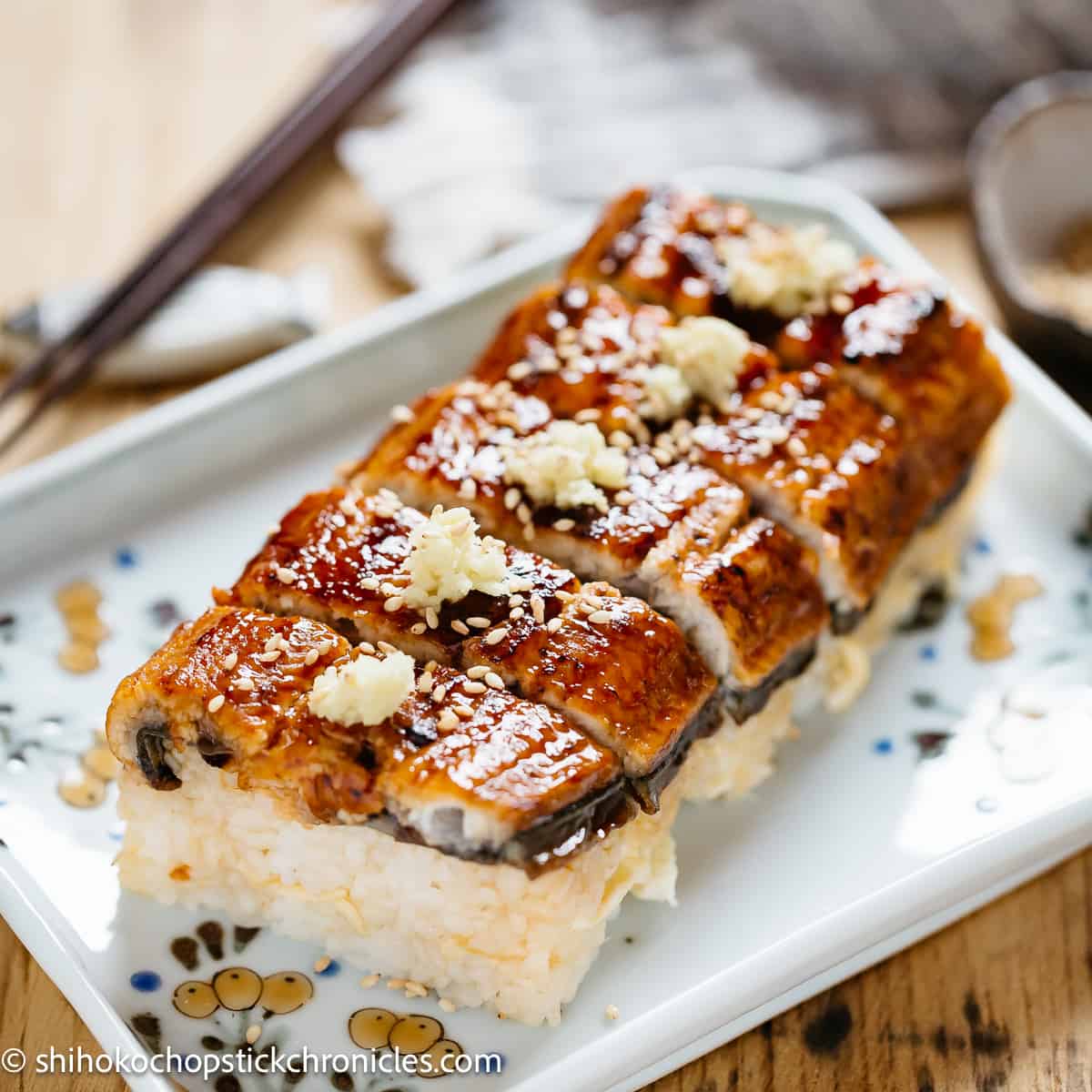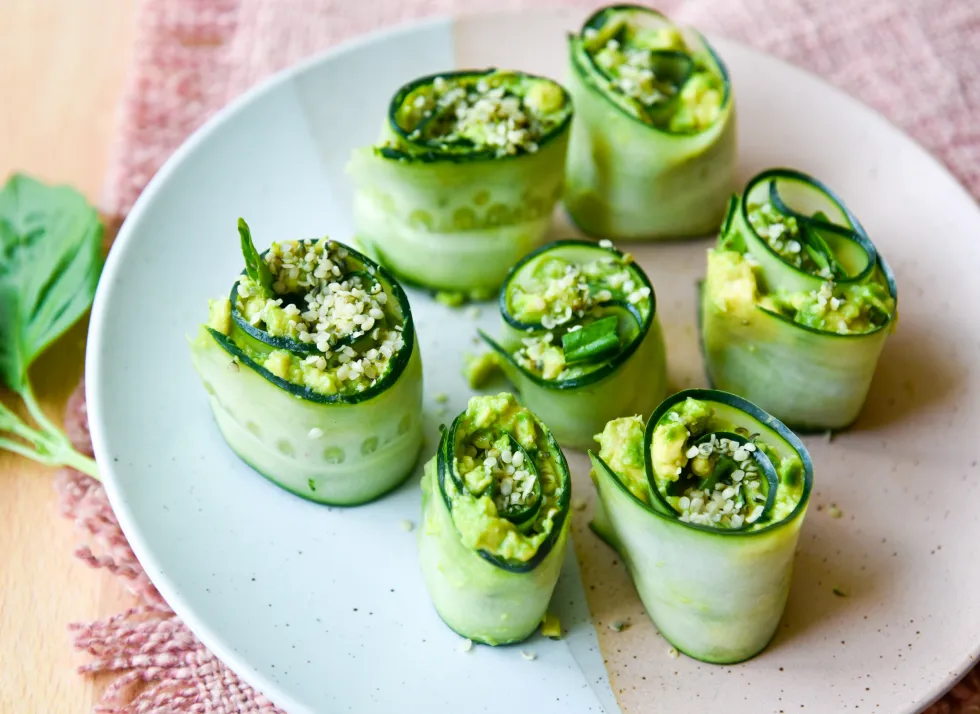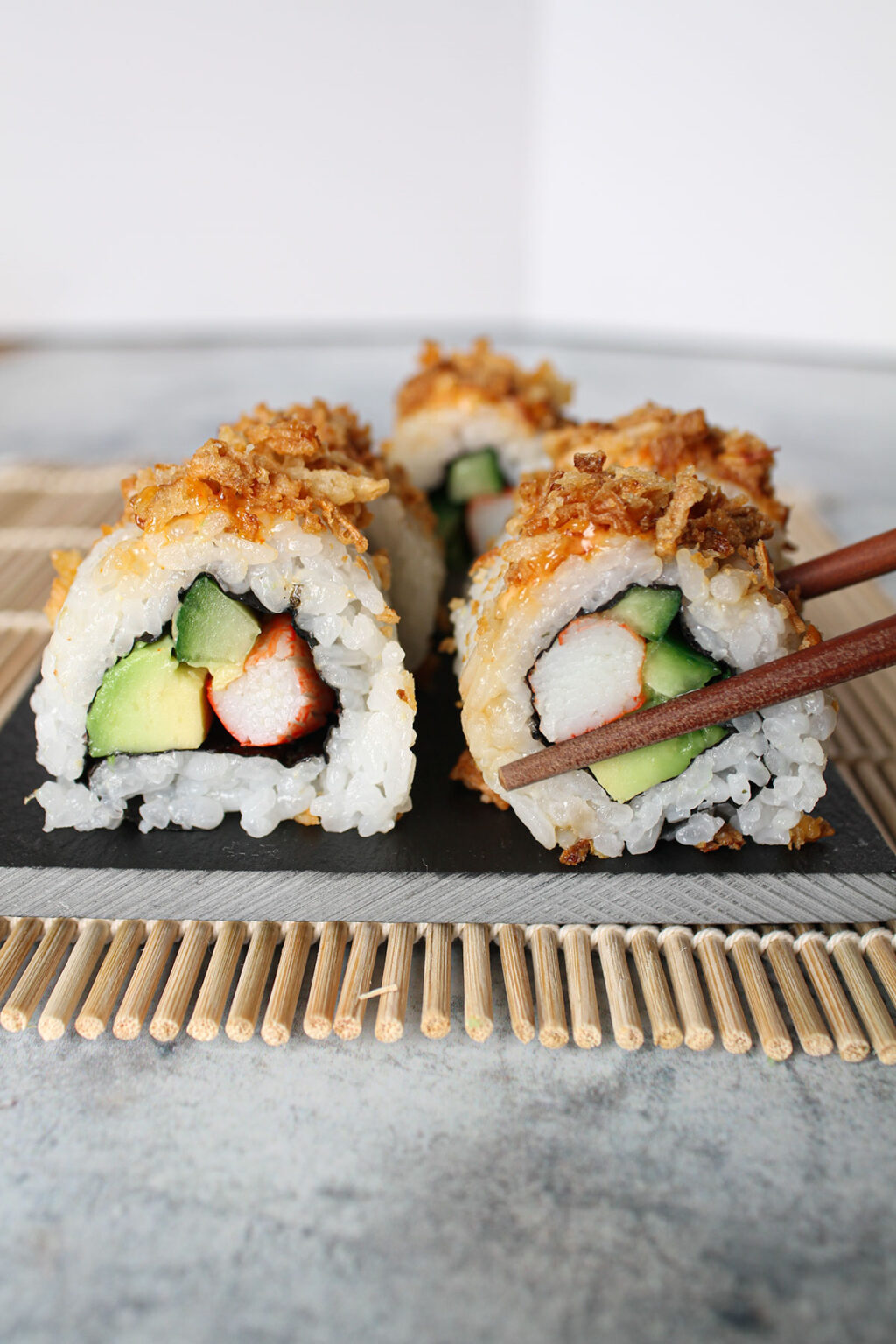

There are several types of eel sushi rolls, ranging from traditional Japanese unagi rolls to creative combinations featuring avocado, cucumber, crab, and other ingredients. Each variety has its own flavor profile, texture, and presentation. Some focus on the natural taste of grilled eel, while others combine it with fresh vegetables, crunchy toppings, or rich sauces.
Understanding the different types of eel rolls makes it easier to choose a sushi variety based on your preferred ingredients and flavors. Whether you are exploring Japanese sushi for the first time or already enjoy specialty rolls, this guide covers the most popular eel sushi combinations and what goes into making them.
What Is an Eel Sushi Roll?
An eel sushi roll is a type of maki sushi that typically contains cooked freshwater eel, seasoned sushi rice, and nori (dried seaweed). The eel is often prepared using a Japanese grilling technique and coated with a sweet and savory sauce commonly associated with unagi.
Unlike sushi varieties made with raw fish, traditional eel rolls generally use fully cooked eel. The fish has a tender texture and a rich, slightly sweet flavor that pairs well with rice, vegetables, and sauces.
A typical eel sushi roll may include:
- Unagi: Grilled freshwater eel, usually the main ingredient.
- Sushi rice: Short-grain Japanese rice seasoned with rice vinegar, sugar, and salt.
- Nori: Dried seaweed used to wrap the rice and fillings.
- Unagi sauce: A sweet and savory glaze commonly made with soy sauce, mirin, sugar, and sake.
- Vegetables: Cucumber and avocado are common additions that provide freshness and contrasting textures.
Depending on the preparation, eel can be placed inside the roll, arranged on top, or served over a bed of sushi rice.
7 Popular Types of Eel Sushi Rolls and Their Ingredients
Eel sushi rolls come in several styles, with different combinations of seafood, vegetables, rice, and sauces. Some varieties highlight grilled unagi as the main filling, while others combine eel with contrasting ingredients for a more layered flavor.
Here are seven popular eel sushi roll varieties worth knowing.
1. Traditional Unagi Maki Roll
The traditional unagi maki roll is a simple Japanese sushi preparation featuring grilled freshwater eel wrapped with seasoned rice and nori. It focuses on the natural richness of eel rather than using multiple fillings or elaborate toppings.
Main ingredients:
- Grilled freshwater eel (unagi)
- Japanese sushi rice
- Nori seaweed
- Unagi sauce
The eel is usually grilled and brushed with a sweet-savory glaze before being placed inside the roll. This preparation creates a balanced combination of tender fish, seasoned rice, and savory sweetness.
Flavor profile: Rich, mildly sweet, savory, and tender.
2. Eel and Avocado Roll
An eel and avocado roll combines grilled eel with creamy avocado to create a smooth and balanced sushi combination. The avocado adds a mild, buttery texture that complements the deeper flavor of unagi.
Main ingredients:
- Grilled unagi
- Ripe avocado
- Seasoned sushi rice
- Nori seaweed
- Unagi sauce
Some preparations place avocado inside the roll, while others arrange thin avocado slices over the outside. A light drizzle of eel sauce brings the ingredients together.
Flavor profile: Creamy, savory, slightly sweet, and rich.
3. Eel and Cucumber Roll
An eel and cucumber roll pairs cooked eel with fresh cucumber for a combination of contrasting textures. The cucumber adds a crisp, refreshing element that balances the soft texture and rich flavor of grilled eel.
Main ingredients:
- Grilled freshwater eel
- Fresh cucumber
- Sushi rice
- Nori
- Unagi sauce
Cucumber is usually cut into thin strips before being placed alongside the eel. This makes the roll lighter in texture without taking away from the eel’s distinctive taste.
Flavor profile: Fresh, mildly sweet, savory, and slightly crisp.
4. Dragon Roll with Eel
The dragon roll is a popular specialty sushi roll that often features grilled eel and avocado arranged over the outside of the roll. Its presentation resembles overlapping scales, which gives the dish its distinctive name.
Although recipes differ between sushi restaurants, many versions combine eel with shrimp tempura or imitation crab inside the roll. Avocado slices are commonly arranged across the top, followed by a drizzle of unagi sauce.
Main ingredients:
- Grilled eel
- Avocado
- Sushi rice
- Nori seaweed
- Shrimp tempura or imitation crab, depending on the recipe
- Unagi sauce
Flavor profile: Rich, creamy, savory, and slightly crunchy when made with tempura.
5. Eel Tempura Roll
An eel tempura roll combines the distinctive flavor of eel with a crispy texture. Depending on the recipe, the eel may be coated in tempura batter and fried, or the roll may contain other tempura ingredients alongside grilled eel.
The crunchy exterior or filling creates a contrast with the soft sushi rice and tender seafood.
Main ingredients:
- Eel or grilled unagi
- Tempura batter, when eel itself is fried
- Sushi rice
- Nori seaweed
- Cucumber or avocado
- Eel sauce or spicy mayonnaise
Flavor profile: Crispy, savory, rich, and mildly sweet.
6. Eel and Crab Sushi Roll
An eel and crab sushi roll combines grilled eel with crab meat or imitation crab. The crab contributes a mild seafood sweetness, while unagi provides a richer and more pronounced flavor.
Avocado and cucumber are sometimes added to balance the ingredients and provide additional texture.
Main ingredients:
- Grilled eel
- Crab meat or imitation crab
- Sushi rice
- Nori
- Avocado or cucumber
- Unagi sauce
Flavor profile: Sweet, savory, creamy, and rich.
7. Eel California-Style Roll
An eel California-style roll takes inspiration from the familiar California roll by combining imitation crab, avocado, and cucumber with grilled eel. Some versions place eel inside the roll, while others feature it as an additional topping.
This combination brings together mild seafood flavors, creamy avocado, and the distinctive sweetness of unagi sauce.
Main ingredients:
- Grilled eel
- Imitation crab
- Avocado
- Cucumber
- Sushi rice
- Nori
- Unagi sauce
Flavor profile: Mildly sweet, creamy, savory, and refreshing.
Eel Sushi Roll Ingredients: What Makes Each Combination Different?
The ingredients used in an eel sushi roll influence its taste, texture, and overall character. While grilled unagi is the central ingredient in many varieties, the supporting ingredients determine whether the final roll tastes creamy, refreshing, crunchy, or rich.
Here is how the main ingredients contribute to different eel sushi combinations.
| Ingredient | Role in the Roll | Flavor and Texture |
| Grilled unagi | Main seafood filling | Tender, rich, savory |
| Sushi rice | Base of the roll | Soft, mildly tangy |
| Nori | Holds the roll together | Lightly salty, crisp |
| Avocado | Adds creaminess | Mild, buttery |
| Cucumber | Provides freshness | Crisp, refreshing |
| Crab | Adds another seafood element | Mild, slightly sweet |
| Shrimp tempura | Creates a crunchy filling | Crispy, savory |
| Unagi sauce | Complements grilled eel | Sweet and savory |
| Sesame seeds | Adds a finishing touch | Nutty, lightly crunchy |
The balance between these ingredients is what makes different sushi eel roll varieties distinctive. For example, cucumber offers a refreshing contrast, while avocado creates a softer and creamier combination.
What Is Unagi Sauce and Why Is It Used in Eel Sushi Rolls?
Unagi sauce is a sweet and savory Japanese-style glaze commonly served with grilled eel. It is an important part of many traditional eel sushi preparations because it enhances the natural flavor of the fish without overpowering it.
The sauce is commonly prepared using:
- Soy sauce
- Mirin (Japanese sweet rice wine)
- Sugar
- Sake (Japanese rice wine)
These ingredients are simmered together to create a glossy sauce with a balanced sweet and savory taste. Some recipes use slightly different proportions or substitute ingredients.
Unagi sauce is not limited to traditional eel preparations. It is also used in other sushi rolls, including specialty rolls featuring avocado, crab, and shrimp tempura.
Its thick consistency makes it suitable for drizzling over sushi or brushing onto grilled eel before serving.
Eel Sushi vs. Other Popular Sushi Rolls
Eel sushi has a distinctive flavor compared with other popular sushi varieties. While many rolls feature salmon, tuna, crab, or vegetables, eel sushi is commonly associated with cooked freshwater eel and a sweet-savory glaze.
Understanding these differences can help sushi lovers choose a roll that matches their preferred taste and texture.
| Sushi Variety | Main Ingredients | Flavor Profile |
| Eel sushi roll | Grilled eel, rice, nori, eel sauce | Rich, sweet, savory |
| California roll | Imitation crab, avocado, cucumber | Mild, creamy |
| Salmon roll | Salmon, sushi rice, nori | Mild, buttery |
| Tuna roll | Tuna, rice, nori | Clean, savory |
| Cucumber roll | Cucumber, rice, nori | Fresh, light |
| Shrimp tempura roll | Fried shrimp, rice, vegetables | Crispy, savory |
For readers interested in other sushi varieties, STIX ASIA also covers different types of sushi rolls and the differences between nigiri and maki.
How to Choose the Right Eel Sushi Roll
Choosing an eel sushi roll depends on the ingredients, textures, and flavors you enjoy. Although most varieties use grilled eel, their additional fillings can create very different eating experiences.
Consider these combinations when deciding which type to try:
- For a traditional Japanese flavor: Choose a classic unagi maki roll with grilled eel, rice, nori, and unagi sauce.
- For a creamy texture: Try an eel and avocado roll, where avocado balances the savory fish.
- For a refreshing combination: An eel and cucumber roll offers a crisp contrast to the tender eel.
- For extra crunch: An eel tempura roll provides a crispy element alongside soft rice.
- For more seafood variety: An eel and crab roll combines two different seafood flavors.
- For a specialty sushi experience: A dragon roll offers layered ingredients and a distinctive presentation.
If you are new to sushi, understanding the differences between popular sushi styles and their names can also help you navigate a sushi menu.
Is Eel in Sushi Cooked or Raw?
Eel served in traditional Japanese sushi is generally cooked rather than raw. Freshwater eel, particularly unagi, is commonly grilled or broiled before being incorporated into sushi rolls.
One popular preparation is kabayaki, in which eel is grilled and coated with a sweet-savory sauce. The cooking process gives the fish its tender texture and characteristic glazed appearance.
This is an important distinction when comparing eel sushi with varieties such as salmon or tuna sushi, which may use raw fish.
However, preparation methods can differ between restaurants and recipes. If you have questions about seafood preparation or food allergies, check with the restaurant before ordering.
How to Store Eel Sushi Rolls
Eel sushi rolls contain cooked seafood and prepared rice, so proper storage is important.
If you have leftover eel sushi, follow these precautions:
- Refrigerate leftovers promptly rather than leaving them at room temperature.
- Place the sushi in an airtight food-safe container.
- Keep it refrigerated at 40°F (4°C) or below.
- For the best quality, consume prepared sushi as soon as possible.
- Avoid eating sushi that has been left at room temperature for more than two hours, or one hour when temperatures exceed 90°F (32°C).
Refrigeration can affect the texture of sushi rice and vegetables, so eel rolls are generally best enjoyed fresh.
For additional storage information, see STIX ASIA’s article on how to store sushi in the fridge.
Frequently Asked Questions About Eel Sushi Rolls
What are the different types of eel sushi rolls?
Popular varieties include traditional unagi maki, eel and avocado rolls, eel and cucumber rolls, dragon rolls, eel tempura rolls, eel and crab rolls, and eel California-style rolls. Their ingredients and preparation methods vary between restaurants.
What is an eel sushi roll called in Japanese?
Grilled freshwater eel is called unagi in Japanese. A sushi roll containing unagi may be described as an unagi maki roll. The exact name depends on its ingredients and preparation.
Is unagi the same as eel?
Unagi is the Japanese term for freshwater eel. In sushi restaurants, it generally refers to grilled freshwater eel served with rice, sauce, or other sushi ingredients.
What does an eel sushi roll taste like?
An eel sushi roll typically has a rich, savory, and slightly sweet flavor. Grilled unagi has a tender texture, while its accompanying sauce adds sweetness and depth. Avocado and cucumber can create additional creamy or refreshing contrasts.
What sauce is commonly used on eel sushi?
Unagi sauce, also called eel sauce, is commonly used on eel sushi. It is typically made with soy sauce, mirin, sugar, and sometimes sake. Its sweet and savory flavor complements grilled eel.
Is eel sushi healthy?
The overall nutritional profile of eel sushi depends on the portion size, ingredients, cooking method, and sauce. Grilled eel provides protein, while rice supplies carbohydrates. Additional sauces and fried ingredients can change the overall composition of the roll.
What is the difference between unagi and anago sushi?
Unagi refers to freshwater eel, while anago refers to saltwater conger eel. Unagi is commonly grilled with a sweet-savory glaze, whereas anago is often simmered or prepared with a lighter seasoning. Their textures and flavors are also different.
Can you eat eel sushi if you do not like raw fish?
Yes. Traditional unagi sushi generally uses cooked eel, making it an option for people who prefer cooked seafood over raw fish. However, check the other ingredients in the roll, as some specialty varieties may include raw seafood.
Explore Japanese Sushi and Asian Food at STIX ASIA
Eel sushi rolls offer several ways to enjoy the distinctive flavor of grilled unagi. From traditional eel maki to dragon rolls and combinations featuring avocado, cucumber, crab, or tempura, each variety brings a different balance of ingredients and textures.
Exploring different sushi styles can also help you understand how Japanese ingredients and preparation techniques influence the final dish.
At STIX ASIA, visitors can explore a variety of Asian food options in a food hall setting. Whether you are visiting the Waikiki location or Las Vegas location, you can explore the available food vendors and discover different Asian dining experiences.