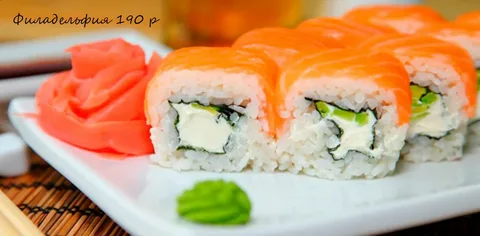

A roll built around tuna or salmon is a very different nutritional proposition from a cucumber roll loaded with rice. The same applies to nigiri, sashimi, California rolls, and specialty rolls with tempura or creamy sauces.
If protein is the priority, the useful question is not simply whether sushi contains protein. It is which sushi gives you the most protein for the amount of food and calories you are eating.
Does Sushi Have Protein?
Yes. Fish and seafood are the primary protein sources in most protein-rich sushi.
Tuna, salmon, shrimp, crab, yellowtail, eel, scallops, and other seafood can all contribute protein to a sushi meal. The amount depends on the portion of seafood, the amount of rice, and the other ingredients used.
For example, USDA-derived data lists approximately 9.7 grams of protein per 100 grams of sushi with tuna. Shrimp-topped sushi provides about 9.1 grams per 100 grams. Salmon sushi can provide a similar amount, although the exact figure depends on the preparation and proportion of fish to rice.
That makes sushi a legitimate source of protein. It just is not automatically a high-protein meal.
The distinction matters because sushi is built around seasoned rice. Rice contributes carbohydrates, while the seafood provides most of the protein. A roll with a small amount of fish and a large amount of rice can therefore have a very different protein profile from a seafood-heavy order.
Does Sushi Have a Lot of Protein?
Some sushi does, but not all sushi is high in protein.
The biggest variable is the ratio between seafood and rice.
Consider two basic orders:
- A tuna-focused roll gives you fish as the primary protein source, along with rice and nori.
- A vegetable roll may contain mostly rice, cucumber, avocado, or other vegetables, with little or no seafood.
Both are sushi, but their protein content is not comparable.
The same principle applies to specialty rolls. A roll may contain salmon or tuna but also include tempura, cream cheese, mayonnaise, extra rice, or sweet sauces. Those ingredients can increase the total calories without increasing protein proportionally.
If you want to understand how different rolls are constructed, STIX ASIA’s guide to sushi roll types is a useful starting point.
Is Sushi a Good Source of Protein?
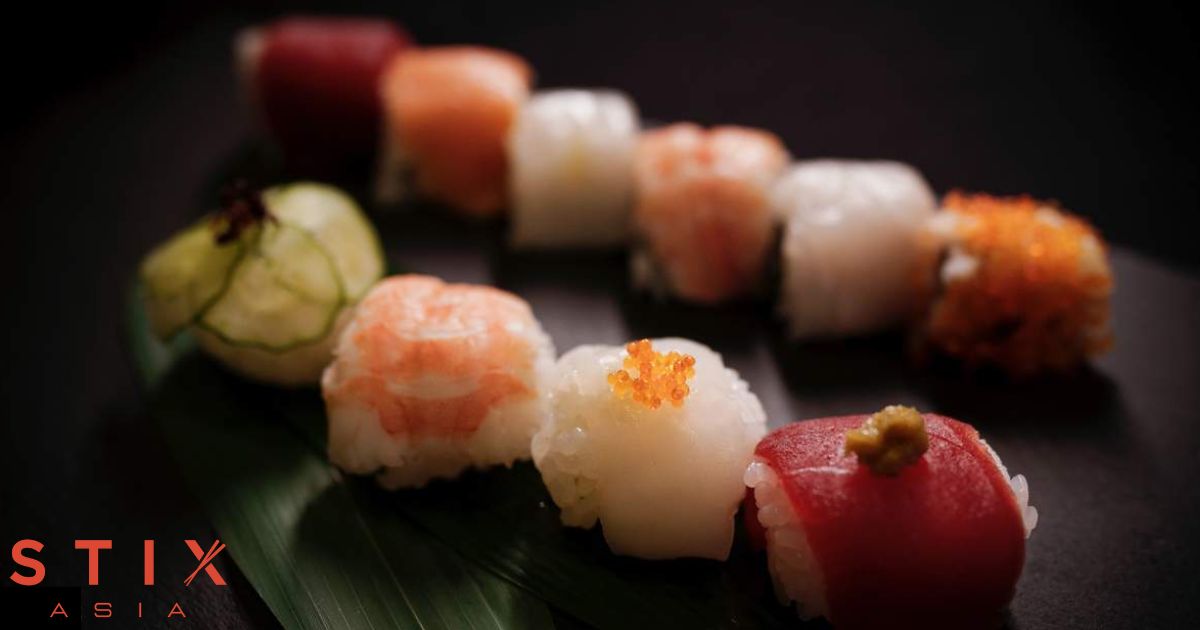
Yes, particularly when you choose fish or seafood as the main ingredient.
Fish provides complete protein, meaning it supplies all nine essential amino acids. The actual protein contribution depends on the species and serving size, but seafood-based sushi can fit easily into a higher-protein diet.
The preparation also matters.
A simple tuna nigiri and a deep-fried tuna specialty roll may both contain tuna, but they are not nutritionally equivalent. The second option may contain substantially more calories because of the additional ingredients.
This is why looking only at the word “protein” on a menu can be misleading. The composition of the entire roll matters.
STIX ASIA’s guide to whether sushi is healthy covers the broader nutritional picture, including protein, carbohydrates, fats, and the effect of different ingredients.
Where Does the Protein in Sushi Come From?
Tuna
Tuna is one of the strongest choices when protein is the main consideration.
USDA-derived nutrition data puts tuna-topped sushi at about 9.7 grams of protein per 100 grams.
Tuna also tends to be relatively lean, which makes it useful when you want a higher protein-to-calorie ratio.
Tuna can appear as nigiri, sashimi, simple maki, or inside specialty rolls.
Salmon
Salmon is another strong option.
A USDA-derived entry for salmon-topped sushi lists about 3.1 grams of protein per 35-gram piece.
Salmon also contains more fat than very lean fish such as tuna. That is not necessarily a disadvantage. It means salmon brings both protein and dietary fat to the meal.
The key is to decide what you are optimizing for. If you want leaner protein, tuna may be preferable. If you want protein alongside more dietary fat, salmon can be a better fit.
Shrimp
Shrimp is another useful protein source.
USDA-derived data lists approximately 9.1 grams of protein per 100 grams of shrimp-topped sushi, with about 103 calories per 100 grams.
That makes shrimp particularly interesting if you are looking for a relatively lean sushi option.
Crab
Crab can contribute protein, but there is an important distinction between real crab and imitation crab.
California rolls commonly use imitation crab, also known as kani. STIX ASIA’s nutrition guide estimates approximately 7 to 9 grams of protein in an eight-piece California roll.
That is a reasonable amount for a sushi roll, but it is not among the highest-protein options available.
Other Seafood
Yellowtail, eel, scallops, octopus, and other seafood can also contribute protein.
The practical approach is simple. If the main ingredient is seafood and the roll is not dominated by rice, sauces, or fried components, it is more likely to be a useful protein source.
High-Protein Sushi Options
If you are looking for high-protein sushi options, start with seafood-forward preparations.
1. Tuna Sashimi
Sashimi removes rice from the equation and puts the focus almost entirely on seafood.
Strictly speaking, sashimi is not sushi because it does not contain seasoned sushi rice. But nutritionally, it can be useful when you want to increase seafood and protein while reducing carbohydrates.
For a broader comparison of sushi and sashimi, see STIX ASIA’s sushi health guide.
2. Tuna Nigiri
Nigiri combines a portion of fish with a smaller amount of sushi rice.
That makes it a practical middle ground. You get the protein from the fish while still getting the rice that defines a traditional sushi preparation.
If you are unfamiliar with the format, STIX ASIA explains what nigiri sushi is and how it differs from other sushi styles.
3. Salmon Nigiri
Salmon nigiri offers the same basic structure, with salmon providing the protein and rice supplying carbohydrates.
The advantage of nigiri is portion control. Instead of ordering a large specialty roll and trying to estimate how much fish it contains, each piece gives you a relatively defined serving.
4. Shrimp Nigiri
Shrimp is a leaner seafood option and works well when protein is important but you do not want a particularly rich fish.
5. Simple Tuna or Salmon Rolls
A simple maki roll built around tuna or salmon can be a practical choice.
The important word is simple.
A basic fish roll has a much easier nutritional profile to understand than a specialty roll containing several sauces, fried toppings, cream cheese, and multiple fillings.
For a closer look at how maki is made and how its varieties differ, see STIX ASIA’s maki roll guide.
Highest Protein Sushi Rolls
There is no universal answer to which roll is the highest protein sushi roll.
Restaurant recipes vary. One restaurant may use substantially more fish than another while using the same name for the roll.
For that reason, it is better to evaluate rolls using a few practical variables:
- How much seafood is included?
- What type of seafood is used?
- How much rice is used?
- Are there additional protein sources?
- How much sauce or fried topping is included?
A tuna or salmon roll with a generous seafood filling will generally make more sense for protein than a rice-heavy vegetable roll.
A specialty roll can also be high in protein if it contains substantial amounts of fish or seafood. But the additional calories from sauces, tempura, and other toppings may change whether it is the best choice for your particular diet.
So rather than looking for one “highest protein sushi” winner, look for seafood-heavy rolls with a favorable fish-to-rice ratio.
High-Protein Sushi Rolls vs. Low-Calorie Sushi Rolls
These categories overlap, but they are not the same.
A low-calorie sushi roll is not automatically a high-protein sushi roll.
For example, a simple cucumber roll may be relatively light but contains little protein because cucumber and rice do not provide much protein.
On the other hand, a salmon roll contains more protein but also more calories because salmon contributes both protein and fat.
STIX ASIA’s California roll data illustrates the same principle. An eight-piece California roll is estimated at roughly 255 to 350 calories, depending on the rice, mayonnaise, imitation crab, and other ingredients, while protein is around 7 to 9 grams.
So if you are trying to find the best protein sushi for your diet, do not optimize for calories alone.
Instead, consider protein relative to the total meal.
What Are the Best Protein Sushi Choices for Fewer Calories?
If you want protein without making the meal unnecessarily calorie-dense, prioritize simple preparations.
Sashimi
Sashimi contains seafood without sushi rice. That makes it one of the most direct ways to increase seafood intake while limiting carbohydrates from rice.
Tuna Nigiri
Tuna is relatively lean, while nigiri uses a controlled amount of rice.
Shrimp Nigiri
Shrimp provides protein without the higher fat content found in some richer fish.
Simple Salmon Rolls
Salmon adds protein and fat, while a simple roll avoids many of the extra calories found in specialty preparations.
Avoiding Heavy Add-Ons
Sauces and toppings can change the nutritional profile quickly.
Mayonnaise, cream cheese, tempura, fried toppings, and sweet sauces can all increase calories. They are not automatically unhealthy, but they should be considered when you are trying to keep the meal protein-focused.
Does a California Roll Have Protein?
Yes. STIX ASIA estimates that a typical eight-piece California roll contains around 7 to 9 grams of protein, along with approximately 38 to 42 grams of carbohydrates.
The protein mainly comes from the imitation crab.
That makes a California roll a moderate-protein option, rather than a high-protein one.
It can still work well as part of a balanced sushi meal. But if you are specifically trying to maximize protein, tuna, salmon, shrimp, or other seafood-focused options are usually more effective.
For the full breakdown, see California roll calories and nutrition.
Does Sushi Have Protein and Carbs?
Yes. Most conventional sushi contains both.
The seafood contributes protein, while the sushi rice contributes most of the carbohydrates.
This is why sushi can work well as a complete meal. You are not simply eating a protein source. You are combining seafood with rice, nori, vegetables, and potentially other ingredients.
The tradeoff is that increasing the amount of rice can increase carbohydrates without increasing protein at the same rate.
If you are tracking macros, this is one of the most important things to understand about sushi.
More sushi does not necessarily mean proportionally more protein.
Eight pieces of a rice-heavy roll may contain less protein than a smaller order centered around fish.
Protein Roll Sushi: What Should You Look For?
When searching for protein roll sushi, focus on the ingredient list rather than the name of the roll.
Look for:
- Tuna
- Salmon
- Shrimp
- Crab
- Yellowtail
- Scallops
- Other substantial seafood fillings
Then check what comes with the seafood.
A roll containing tuna, cucumber, and moderate rice is straightforward.
A roll containing tuna, tempura, cream cheese, spicy mayonnaise, extra rice, and sweet sauce is a different nutritional proposition.
Neither is inherently wrong. They simply serve different purposes.
If protein density is your priority, the simpler option usually makes the decision easier.
How to Build a High-Protein Sushi Meal
You do not need to eliminate rolls or eat only sashimi.
A practical meal can combine different sushi formats.
For example:
Tuna or salmon roll + several pieces of nigiri + a vegetable-based side
This gives you seafood from multiple sources while keeping the meal varied.
You can also pair sushi with sides such as edamame, miso soup, or a seaweed-based salad. STIX ASIA discusses several options in its guide on what to eat with sushi.
If you are specifically trying to increase protein, edamame can be particularly useful because it adds a plant-based protein source alongside the seafood.
What About Cooked Sushi?
You do not have to choose raw fish to get protein from sushi.
Cooked fish, shrimp, crab, eel, and other seafood can all contribute protein.
This can be useful for people who prefer cooked seafood or simply want more variety.
STIX ASIA’s guide to types of cooked sushi covers cooked fish sushi, fried sushi, and other preparations.
The same nutritional principle still applies. A cooked seafood roll can be protein-rich, but adding tempura batter, fried toppings, or heavy sauces can substantially change the calorie profile.
What About Inari Sushi?
Inari sushi is different from seafood-heavy sushi because its defining ingredient is seasoned tofu skin wrapped around sushi rice.
It can contain some plant-based protein, but it should not be treated as one of the highest protein sushi options simply because it contains tofu.
If protein is the main objective, seafood-based sushi will generally give you more direct access to high-quality protein.
STIX ASIA’s inari sushi guide explains its ingredients and nutritional characteristics in more detail.
What About Masago and Tobiko?
Masago and tobiko are fish roe commonly used as toppings or fillings.
They can contribute protein, but the quantity used in a sushi roll is usually small. They are better viewed as additional ingredients rather than the primary protein source.
If you enjoy roe, it can still be part of a protein-focused sushi order. Just do not assume that a roll covered in roe automatically contains more protein than a roll built around a substantial portion of tuna or salmon.
STIX ASIA has more detail in its guides to masago in sushi and tobiko sushi rolls.
What Is the Best Protein Sushi?
The best protein sushi depends on what else you are optimizing for.
- If you want the most seafood with minimal rice, sashimi is the obvious choice, although it is technically not sushi.
- If you want both fish and rice, tuna or salmon nigiri is a practical option.
- If you want a roll, choose one where tuna, salmon, shrimp, or another seafood is a substantial part of the filling.
- If you want protein while keeping calories under control, be more cautious with fried rolls, heavy mayonnaise, cream cheese, and large amounts of sauce.
There is no need to make sushi complicated. Look at the fish, look at the rice, then look at everything added around them.
How to Choose High-Protein Sushi at a Restaurant
A useful ordering process takes less than a minute.
- First, choose the protein. Start with tuna, salmon, shrimp, crab, yellowtail, or another seafood you enjoy.
- Next, choose the format. Pick sashimi if you want to minimize rice, nigiri if you want a smaller rice component, or a simple maki roll if you prefer rolled sushi.
- Then check the extras. Look for tempura, cream cheese, mayonnaise, fried toppings, and sweet sauces. These can increase calories considerably.
- Finally, consider the full meal. If your sushi order is already rice-heavy, adding more rolls may increase carbohydrates faster than protein. Adding a seafood-focused side or a protein-rich accompaniment can sometimes make more sense.
The Bottom Line
So, does sushi have protein?
Absolutely. Fish and seafood make sushi a useful source of protein, but the amount varies considerably between dishes. Tuna, salmon, shrimp, and other seafood-focused options are generally better choices when protein is the priority.
The biggest mistake is treating every sushi roll as nutritionally equivalent.
A simple tuna roll, salmon nigiri, shrimp nigiri, and a specialty roll covered in tempura and mayonnaise may all appear on the same menu, but their protein, carbohydrate, fat, and calorie profiles can be very different.
- For high-protein sushi, prioritize substantial seafood portions.
- For lower-calorie sushi, limit heavy sauces and fried additions.
- For the best balance, choose seafood-focused sushi with a sensible amount of rice and add vegetables or protein-rich sides to complete the meal.
In other words, you do not need to stop eating sushi to eat more protein. You simply need to choose the right sushi.
Frequently Asked Questions
Does sushi have a lot of protein?
Some sushi does, but the amount depends on the seafood portion and the amount of rice. Tuna, salmon, shrimp, and other seafood-focused options generally provide more protein than vegetable or rice-heavy rolls.
Is sushi a good source of protein? Yes. Fish and seafood used in sushi provide complete protein. Sushi becomes a stronger protein choice when the roll contains a substantial seafood portion.
What sushi has the highest protein?
There is no single highest-protein sushi option because recipes and portion sizes vary. Sashimi has the highest seafood-to-rice ratio, while tuna, salmon, shrimp, and other seafood-focused nigiri and rolls are strong sushi choices for protein.
What are the best high-protein sushi options?
Tuna, salmon, shrimp, seafood-focused nigiri, sashimi, and simple fish-based maki rolls are among the better options when protein is the priority.
Are high-protein sushi rolls also low in calories?
Not necessarily. Protein-rich fish can still contain fat, while sauces, mayonnaise, tempura, and cream cheese can add significant calories. Look at the complete roll rather than protein alone.
Is a California roll high in protein?
A California roll provides moderate protein. STIX ASIA estimates around 7 to 9 grams of protein in a typical eight-piece roll, so it can contribute to your protein intake but is not usually among the highest-protein sushi choices.
Is salmon sushi high in protein?
Salmon sushi provides useful protein, although the exact amount depends on the portion and preparation. USDA-derived data lists about 3.1 grams of protein per 35-gram piece of salmon-topped sushi.
Is shrimp sushi a good protein option?
Yes. Shrimp-topped sushi contains about 9.1 grams of protein per 100 grams, according to USDA-derived data.
Is tuna sushi good for protein?
Yes. USDA-derived data lists approximately 9.7 grams of protein per 100 grams of tuna-topped sushi.
Is sashimi better than sushi for protein?
If you want more seafood with less rice, sashimi is useful because it contains no sushi rice. Technically, however, sashimi is not sushi because sushi requires seasoned rice.